
Global smartphone shipments declined by 11% in the second quarter, landing at the lowest Q2 level since 2013, according to early estimates released by Counterpoint Research. The research house attributes the downturn largely to an extended shortage of memory chips that has driven component prices higher and weakened consumer demand.
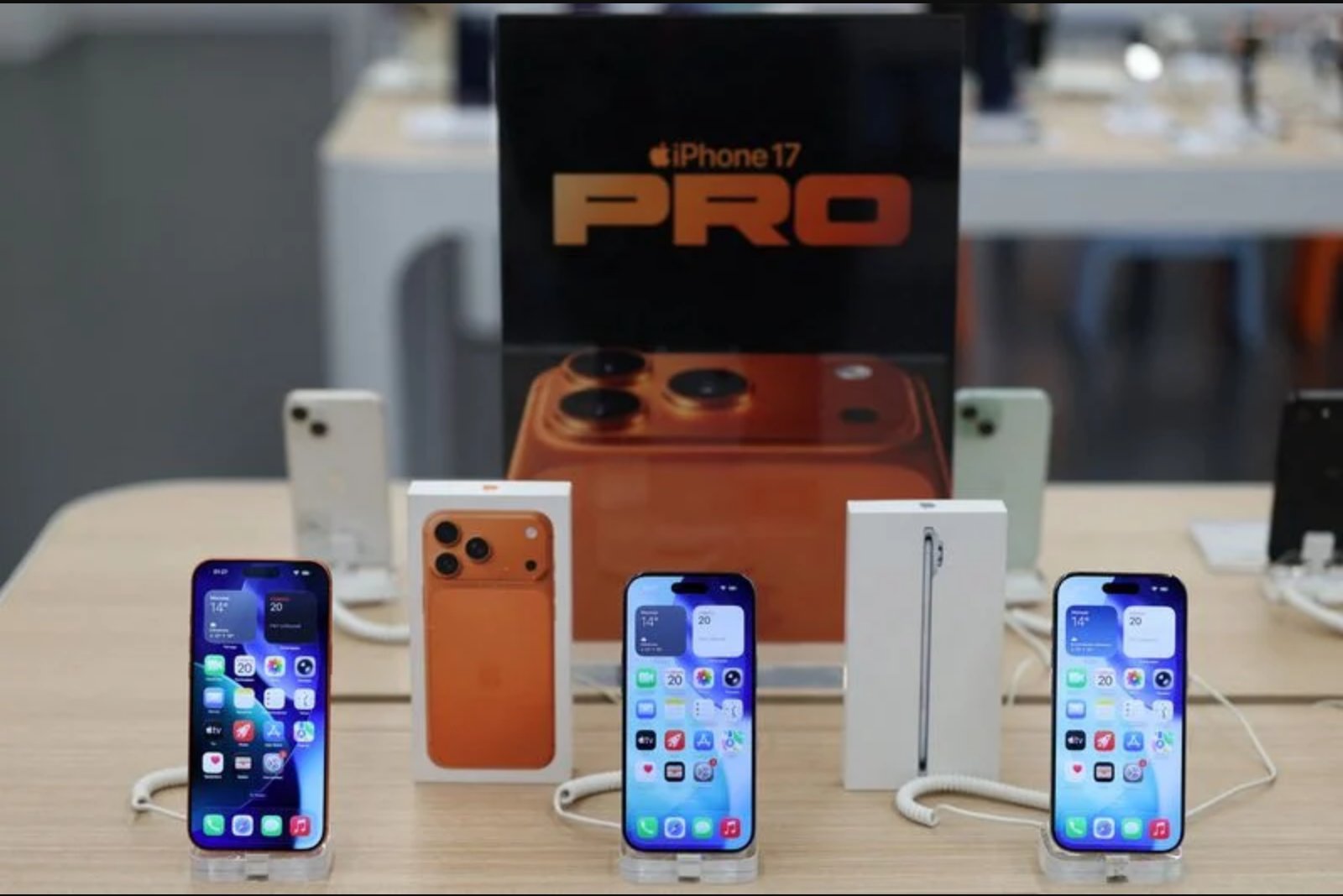
Apple stood out from the broader market trend. The company posted a 3% increase in shipments and reached a record 20% share of global smartphone shipments in the quarter, supported by continued demand for its premium iPhone models and by holding retail prices steady. Despite Apple keeping prices unchanged in the period, analysts cited in the report expect price increases across the market in the months ahead.
The report links the component-driven inflation to a reallocation of memory supply - suppliers have been prioritizing large AI data center customers over consumer electronics. That shift pushed memory prices higher and led handset makers to transfer some of the increased costs to consumers. Price hikes have been most apparent for entry- and mid-range devices, where margins are thinner and sensitivity to component costs is greater.
Samsung reclaimed the top manufacturer spot with a 24% share of global shipments. Counterpoint credited Samsung's performance to strong sales of the Galaxy S26 series, improved product availability and relatively fewer price increases in several markets, including India and the Middle East.
By contrast, Xiaomi, Oppo and Vivo experienced the steepest shipment declines among the top five makers. Counterpoint said those brands' heavier exposure to entry- and mid-range segments left them more vulnerable to the combined effects of rising memory costs and reduced consumer demand in those price tiers.
Looking ahead, Counterpoint has maintained its projection that global smartphone shipments will decline by about 14% for the full year. The firm also warned that the memory supply shortfall is likely to persist into 2027, suggesting continued pressure on component pricing and handset availability over the coming years.
Context and implications
- The immediate consequence has been higher retail prices for many handsets, particularly outside the premium segment.
- Premium brands with stronger pricing power and inventory - such as Apple and Samsung - have fared better than rivals concentrated in lower price tiers.
- Counterpoint's outlook points to a protracted component shortage, which could extend disruption across supply chains through 2027.