
Commodities November 13, 2026 09:31 AM

Treasury Chief Expresses Confidence in Securing Trade Pacts with Canada and Mexico

Scott Bessent signals optimism on North American trade outcomes while sidestepping recent tariff threats tied to migration

By Leila Farooq
Share
Twitter Reddit Facebook LinkedIn

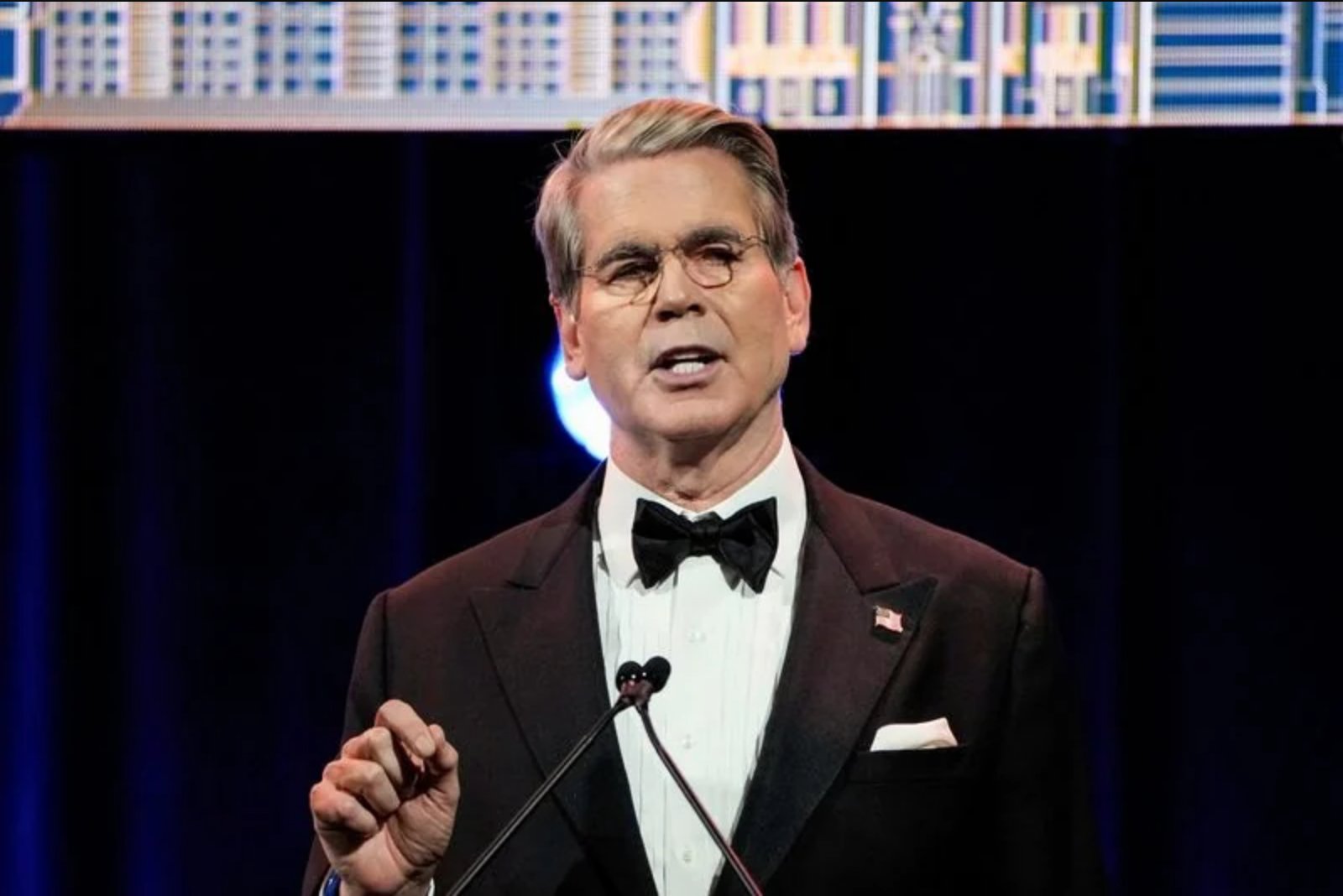
U.S. Treasury Secretary Scott Bessent told CNBC he is optimistic that the United States can finalize trade agreements with Canada and Mexico. He provided no further details and did not address President Trump's recent threat to double tariffs on Mexico if the country does not halt a migrant caravan. The tariff warning arrives amid ongoing, sensitive negotiations following the administration's decision in July not to renew the US-Mexico-Canada trade pact. Trump was elected to a second term in 2024 in part on concerns about the U.S. border, though he has recently indicated the migrant issue has lost some political potency among Republicans.

Treasury Chief Expresses Confidence in Securing Trade Pacts with Canada and Mexico
Summarize with
ChatGPT Perplexity Claude Grok Gemini

Key Points

  • The U.S. Treasury Secretary stated optimism about achieving trade agreements with Canada and Mexico - impacts trade negotiations and markets sensitive to cross-border policy.
  • Bessent declined to elaborate on timing or terms and did not mention the president’s recent tariff threat to Mexico - leaves market participants with limited official detail.
  • The tariff threat coincides with ongoing, sensitive negotiations after the decision in July not to extend the US-Mexico-Canada trade pact - a matter affecting trade policy and related economic planning.

In a brief television interview, U.S. Treasury Secretary Scott Bessent said he was hopeful that the United States would be able to reach trade agreements with both Canada and Mexico. Speaking to CNBC, Bessent offered an expression of optimism but did not expand on the timeline, scope, or specific terms of potential deals.

The treasury chief's comment came a day after President Donald Trump warned Mexico that he would double tariffs on the country if it failed to stop a migrant caravan of more than 1,000 people heading north toward the United States. Bessent did not address that presidential warning in his remarks.

Observers noted that the tariff threat occurred while sensitive trade discussions with Mexico and Canada remain underway. Those negotiations have continued since the administration's decision in July not to extend the US-Mexico-Canada trade pact. The decision to let the previous arrangement lapse has left the talks in a delicate phase as officials attempt to negotiate new frameworks.

The political backdrop is an additional point of context: the president, who secured a second term in 2024, ran in part on voter concerns about the U.S. border. In recent months, while highlighting some migrant caravans, he has also said the issue has become less politically potent for him and his Republican colleagues.

Beyond Bessent's concise statement of confidence, little new information was provided publicly about the status of the negotiations or how the tariff threat might affect the talks. The lack of elaboration leaves open questions about the next steps, the potential content of any agreements, and how rapidly discussions might proceed.


Summary of developments

  • Scott Bessent told CNBC he is optimistic that trade deals with Canada and Mexico can be secured.
  • He did not provide additional details or address President Trump’s tariff warning to Mexico linked to a migrant caravan.
  • Negotiations continue after the administration chose in July not to extend the US-Mexico-Canada trade pact; the political salience of migration was a factor in last year’s election.

Risks

  • A presidential threat to double tariffs on Mexico introduces uncertainty into negotiations - this could affect trade-exposed markets and businesses.
  • Limited public detail from the Treasury on negotiation progress creates information risk for investors and companies relying on clarity in cross-border rules.
  • The intersection of migration politics and trade discussions could complicate talks if political priorities shift - an uncertainty for trade-dependent planning.

More from Commodities

BCA: War Premium Largely Priced Out, But Oil Supported Even in a Ceasefire Nov 13, 2026 Iraq revives overland Syrian corridor, trucking heavy crude to Baniyas port Nov 13, 2026 Goldman Lowers 2027 Iron Ore Forecast as Market Shifts Toward Balance Nov 13, 2026 IEA: Global oil market shifts back into surplus as Gulf shipments recover Nov 13, 2026 Goldman Sachs Sees LME Copper Reaching $15,600 per Ton by December 2027 Nov 13, 2026