
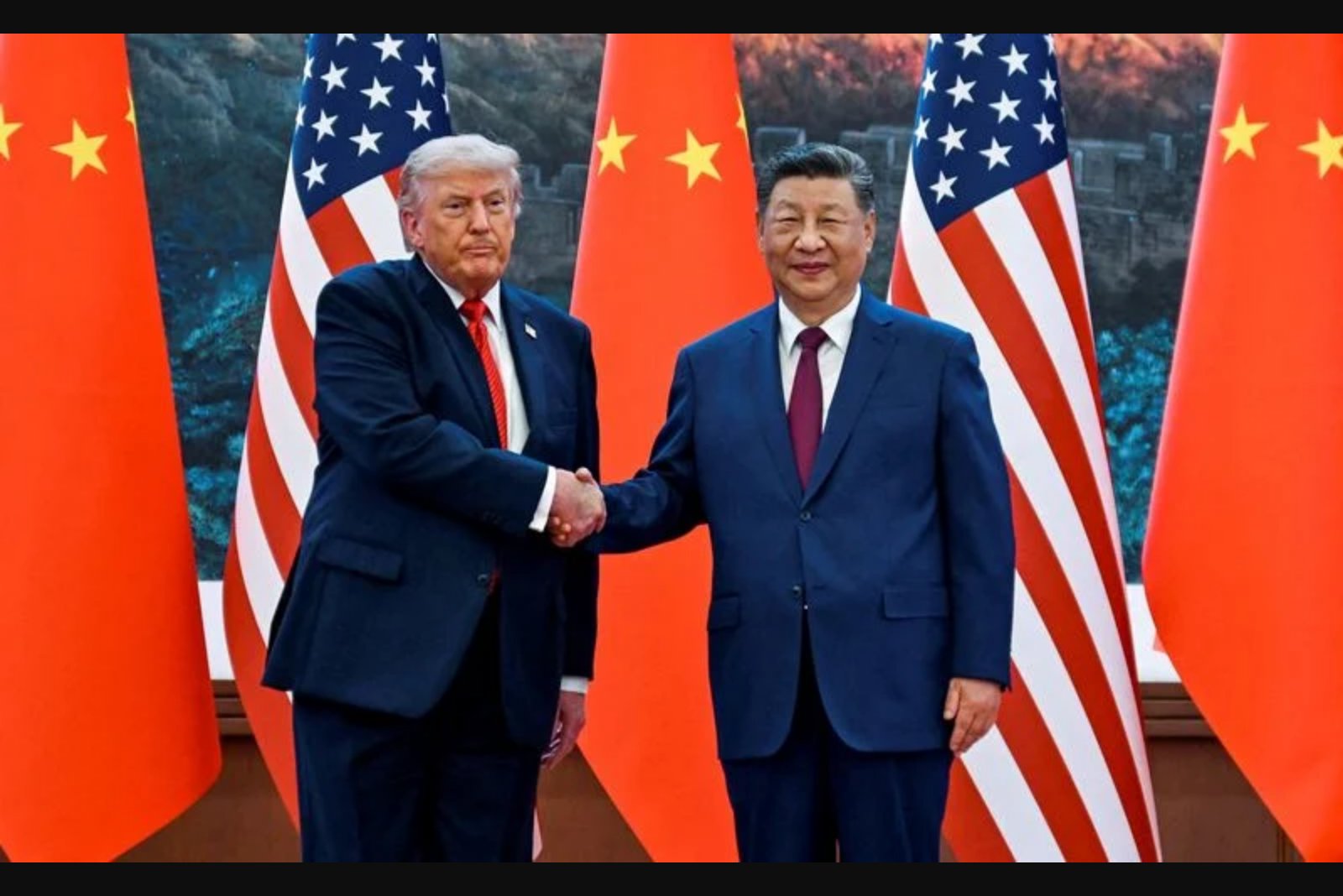
Markets entered the week transitioning from a period dominated by central bank tightening to one in which diplomatic engagements command attention, as world leaders converge at the United Nations General Assembly in New York this week. At the top of the bilateral agenda is Thursday's meeting between US President Donald Trump and Chinese President Xi Jinping in Washington.
Preparations for that summit underlined the crossover between economic and strategic priorities. Treasury Secretary Scott Bessent and China's Vice Premier He Lifeng met on Sunday to frame talks on trade relations, concerns around artificial intelligence and broader geopolitical issues. Those discussions take place against a noisy backdrop of conflict: over the weekend both Riyadh and Moscow recorded attacks, the former by Iran-backed Houthi forces and the latter by Ukrainian forces.
Energy markets reacted to the security incidents but moved lower on Monday as reports circulated that Saudi Arabia might restore some flows through its East-West pipeline and that oil and fuel shipments had picked up in September. The decline in prices provided relief to stock markets, which were higher in thin trading on Monday. However, the article notes that observable data were less optimistic than the early reports suggested. Brent crude remained above $100 per barrel and some US retailers were reporting emerging refined oil shortages.
Japan had limited room to respond to Friday's Bank of Japan interest rate increase because Tokyo markets are closed for much of this week for holidays. The yen pared some of its recent losses on Friday after a reported rate check and was steady on Monday amid concern about potential official intervention while markets were closed.
Rate markets continued to recalibrate expectations following last week's Federal Reserve rate rise. Market pricing now fully incorporates one more hike by year-end, and the probability of a move as soon as next month is roughly even. Minneapolis Federal Reserve President Neal Kashkari commented on Sunday that inflation worries extend beyond oil-price volatility and include persistent inflation in services.
Economists cited in the coverage view the Fed as attempting to reset policy to accommodate a faster-growing economy that could complicate reaching its inflation target. Short-term yields reflected that reassessment: two-year Treasury yields have risen as much as 36 basis points over the past two weeks.
Across the Atlantic, the Bank of England is still expected to raise rates by year-end despite holding policy steady last week, and European markets were preparing for further political noise after weekend state elections in Germany produced poor results for the ruling CDU party. German Chancellor Friedrich Merz said he would press on, and the euro held steady in early Monday trading.
On sovereign debt spreads, French 10-year bonds now trade at a 104-basis-point premium to Germany's for the first time since 2012, as investors demand extra compensation to hold French paper. The French government is pursuing measures to reduce a budget shortfall projected at 5.4% of output this year toward 5% next year through €54 billion of spending cuts. Opposition parties are expected to challenge those measures in coming months, a dynamic that could threaten the government's stability.
Market participants will also be watching a number of scheduled speeches and events this week: Chicago Fed President Austan Goolsbee, European Central Bank President Christine Lagarde and Bank of Canada Governor Tiff Macklem are due to speak. Japanese financial markets remain closed for holidays and will return on Thursday.
Key context and market signals
- Diplomatic calendars and bilateral meetings may influence trade and technology agendas, with officials already meeting to prepare talks on trade, AI and geopolitics.
- Short-term supply concerns from weekend attacks weighed on energy markets, but reports of restored pipeline flows and increased shipments coincided with a pullback in oil prices.
- Central bank guidance remains central to rates and currency moves, with market pricing reflecting another likely Fed hike by year-end and higher short-term Treasury yields.
Market movers to watch
- Diplomatic meetings at the United Nations General Assembly and the Trump-Xi bilateral session in Washington.
- Comments and speeches from key central bankers and Fed officials that could reshape policy expectations.
- Data on oil flows and refined fuel availability, alongside sovereign bond spread developments in Europe.