
Market snapshot
Silver Futures (SI) were quoted at $67.16, an increase of 0.02%, at 7:53 AM EDT on Sep 21, 2026. While the medium-term narrative for silver is supportive, the path over the coming weeks is conditional on developments in real yields, the U.S. dollar and growth indicators.
Two demand engines
Silver is driven by two distinct but interacting demand channels:
- Monetary demand - This includes flows into precious-metals investments that are sensitive to lower real yields, a softer U.S. dollar and broader investor appetite for metals.
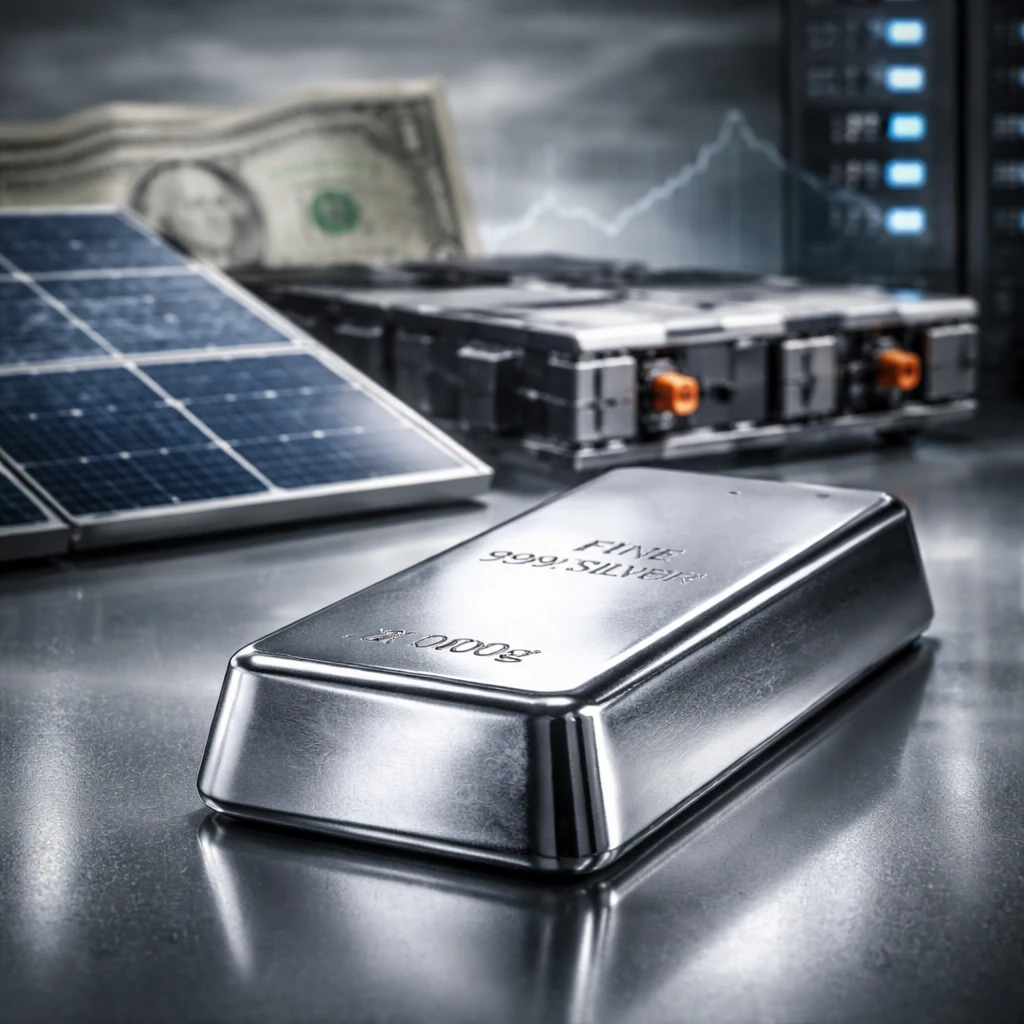
- Industrial demand - Applications such as solar panels, electronics, grid-related investment, electric vehicles and data-center infrastructure underpin a separate, consumption-led source of demand.
That combination gives silver both a monetary hedge characteristic and a cyclical industrial exposure, which can produce sharper moves when macro conditions change.
Near-term pressure points and catalysts
The immediate outlook for silver is balanced to mildly cautious. Key near-term risks include:
- Hawkish Federal Reserve risk - If policy remains higher for longer, real yields could rise, increasing the opportunity cost of holding a non-yielding asset such as silver.
- Dollar strength - A stronger U.S. dollar would raise the dollar price of silver for non-U.S. purchasers, weighing on demand.
- Growth and manufacturing data - Weak manufacturing releases could temper expectations for industrial demand.
- Oil and inflation - Higher energy prices can lift inflation expectations and potentially delay rate cuts, which could support yields and the dollar.
Market participants will be watching several scheduled releases for directional cues:
- U.S. Manufacturing PMI - Sep 23 at 9:45 AM EDT
- Jobless Claims - Sep 24 at 8:30 AM EDT
- Durable Goods Orders - Sep 25 at 8:30 AM EDT
- PCE Inflation - Sep 30 at 8:30 AM EDT
Strong growth accompanied by persistent inflation would present a mixed signal for silver: industrial demand could improve, but higher yields and a firmer dollar would create headwinds for the metal.
Medium-term support
Structurally, silver's supply dynamics and diverse demand base support a constructive medium-term view.
- Inelastic supply - A meaningful share of silver is produced as a byproduct of copper, lead, zinc and gold mining, limiting the speed at which higher prices can elicit new primary supply.
- Deficit backdrop - Analysis dated Jul 14, 2026, indicates a projected 46.3 million-ounce deficit for 2026, as reported by Metals Focus and the Silver Institute.
- Industrial diversification - Although improved manufacturing in solar may reduce silver intensity per unit, other demand sources - data centers, electrification, electric vehicles and grid investment - provide alternative channels for industrial consumption.
- Investment flows - Given silver's smaller market size relative to gold, a weaker dollar or falling real yields could prompt rapid inflows into ETFs and retail investment, amplifying price moves.
Price path scenarios and analyst view
UBS projects a staged rise in silver prices: $70 by December 2026, $75 by March and June 2027, and $80 by September 2027. The bank cautions that substitution in manufacturing, slower growth and a more hawkish Fed could interrupt that trajectory.
Two broad scenarios frame the range of outcomes:
- Bull case - Softer inflation, easing real yields, a weaker dollar and continued supply deficits, combined with healthy industrial demand, would support a renewed medium-term advance.
- Bear case - Robust U.S. economic data that keeps interest rates elevated, a stronger dollar, and accelerated thrift or substitution in solar manufacturing could prompt a correction even with persistent long-term demand trends.
Takeaway
The near-term trajectory for silver is dominated by macro variables - chiefly real yields and the dollar - while the medium-term structural case remains constructive. The market's supply shortage provides a floor under prices, but how much of that structural value is reflected in the market will depend on rates, the dollar and incoming economic data. Investors and participants will not necessarily need both weaker inflation and stronger industrial indicators to restore momentum; either one could be enough to swing sentiment in silver's favor.