
WASHINGTON, Sept 30 - Senators from both parties unveiled a negotiated package on Wednesday intended to remake the federal permitting process for major energy and infrastructure projects, but they said a formal vote would not take place prior to the midterm elections.
The proposal, embodied in the Bipartisan American Affordability and Jobs Act, aims to accelerate construction timelines for a wide range of projects cited by lawmakers and industry - including electrical transmission lines, data centres, mines and both renewable and fossil fuel energy facilities. Sponsors described the agreement as a long-sought effort to unclog a permitting system they view as broken.
Key structural changes
The bill text released on Wednesday lays out several concrete procedural reforms. It would impose time limits on major environmental reviews, generally requiring agencies to complete them within one to two years. The measure would also seek to coordinate agency action across departments more tightly, shorten windows for legal challenges and make issued permits harder to overturn in court.
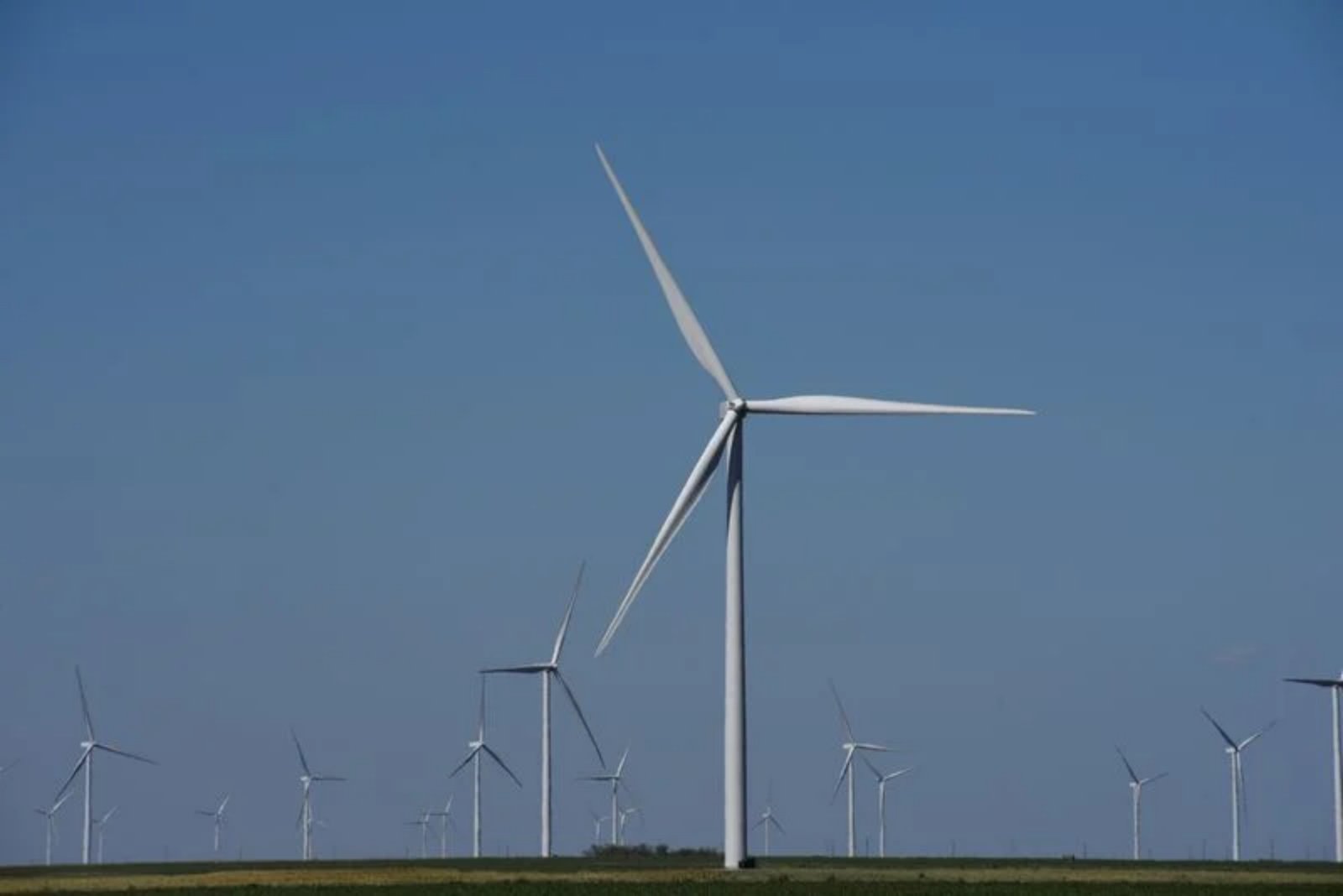
Another emphasis of the draft is the electric grid: it creates new processes aimed at speeding approvals for transmission lines and upgrades, while including explicit provisions to speed renewable energy projects. Both onshore and offshore wind are covered under the bill text. There is also a provision designed to prevent federal agencies from repeatedly delaying or denying permits for a specific technology.
Political context and recent developments
Negotiations had stalled in December after President Donald Trump placed a pause on five East Coast offshore wind farms that were nearly complete. In recent weeks, sponsors said talks advanced after the president provided assurances to Democrats that wind and solar projects would receive improved treatment under the proposed legislation.
Republican Senator Mike Lee, chairman of the Senate Energy Committee, framed the effort in pragmatic terms at a news conference: "We’re motivated by one central shared concern: we want to make it easier in America to build things," he said.
Reactions from stakeholders
Environmental organisations criticised the package, arguing it weakens protections by shortening review periods and narrowing judicial oversight. By contrast, a broad mix of industry groups - from renewable developers to oil and gas producers - praised the framework as overdue.
Mike Sommers, president of the American Petroleum Institute, issued a statement urging Congress to act, calling the bill "a generational opportunity to fundamentally transform a broken permitting system and help address the affordability challenges facing American consumers," and encouraging lawmakers to "seize this moment and finish the job."
The White House signalled its support, with an administration official saying the measure would reduce costs and create jobs.
Next steps and outstanding questions
Senator Sheldon Whitehouse, a Democrat, acknowledged the package required difficult compromises and cautioned that further amendment work remains before a final vote. He said a number of complex options were explored to reach the agreement and that clarity was still needed on "the question of returning to regular order for wind and solar projects" under the administration - an issue he described as unresolved.
Republican Senator Shelley Moore Capito said the sponsors' "goal" is to make the permitting bill the first item the Senate votes on after it reconvenes following the November 3 midterm elections. The House of Representatives, which has not yet passed the legislation, is scheduled to be in recess until after the elections.
Impacted sectors noted by lawmakers and advocates
- Electric transmission and grid upgrades
- Renewable energy projects - including onshore and offshore wind, and solar
- Fossil fuel energy projects
- Large infrastructure such as data centres and mines