
Lawmakers in the US Senate are closing in on a bipartisan package aimed at shortening the permitting timeline for large infrastructure projects after the White House reached a compromise on the treatment of renewable energy projects, according to senior Democratic negotiators.
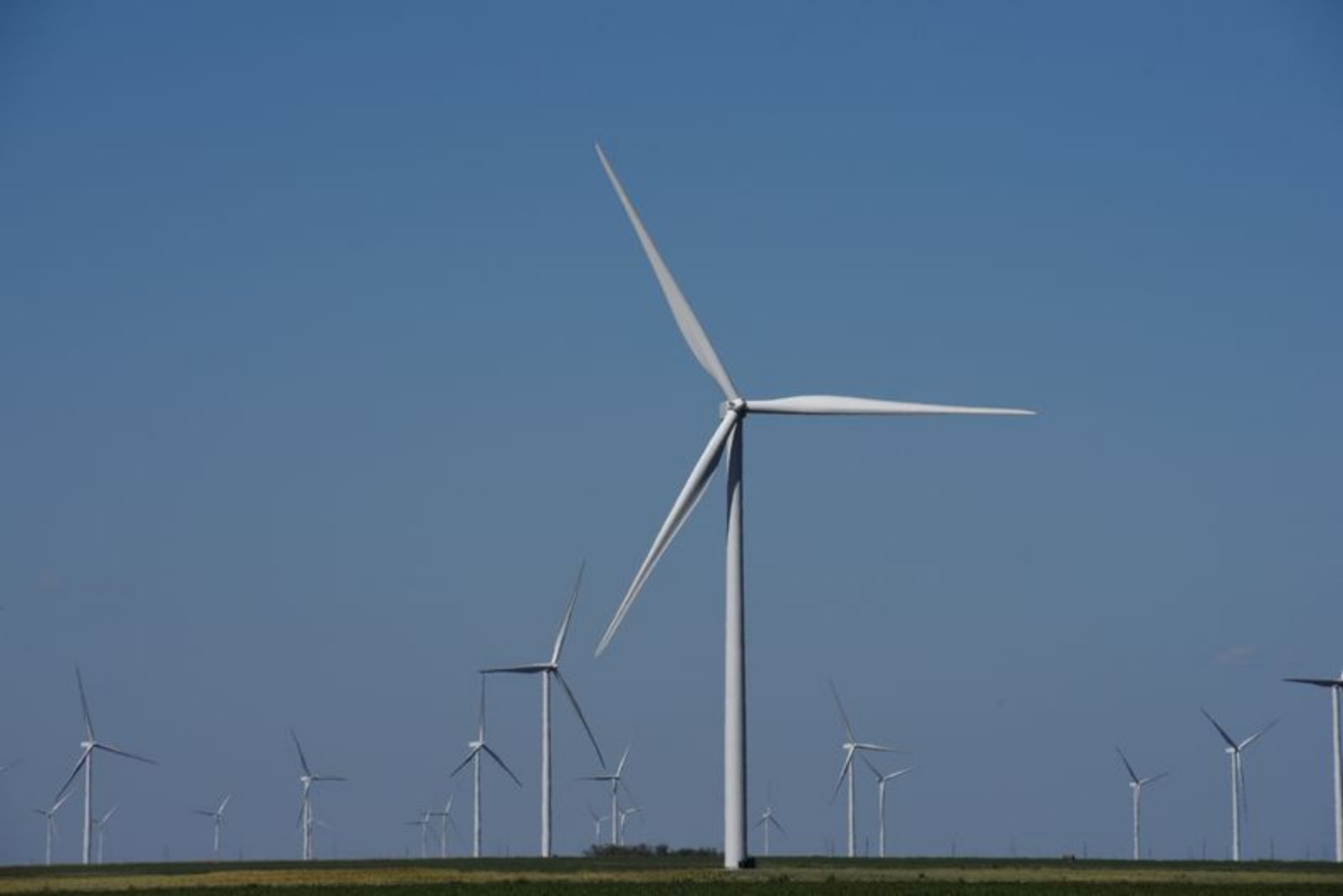
Senators Sheldon Whitehouse and Martin Heinrich - the leading Democrats engaged in months-long talks with Republican colleagues on drafting permitting reforms - said progress resumed after discussions had been halted in December when the Trump administration paused five near-complete offshore East Coast wind farms.
Whitehouse told reporters that the administration has given Democrats assurances about changes in how wind and solar projects would be treated under the proposed legislation. He praised the administration’s movement on the issue, saying:
"I appreciate very much what the Trump administration has done to move in this direction,"
Whitehouse added that the process now hinges on Senate procedure and additional clarification from the executive branch on the commitments made for renewables. He said it was a matter of routine legislative steps and further detail from the administration, quoting the need for "more clarity from (the) executive branch on what they mean" by their promises for wind and solar. He also indicated the broad agreement would be converted into formal legislative text in the near term, saying that the parameters would be placed into language in the coming "days or hours" so that other lawmakers, industry participants and environmental groups can examine the draft.
Despite the reported progress, Whitehouse warned that timing for a vote is uncertain, particularly with the House of Representatives not having approved the permitting bill and scheduled to be in recess until after the November midterm elections.
A White House spokesperson, Taylor Rogers, described the administration’s efforts to secure a permitting overhaul in positive terms, saying the administration "is actively working to pass historic permitting reform to help improve energy infrastructure and lower costs."
Both parties have framed the talks around long-standing debates. Democrats have expressed willingness to modify foundational environmental statutes, naming the National Environmental Policy Act and the Clean Water Act as areas they would be open to reform. Republicans have long argued that such statutes produce protracted delays for major projects.
At the same time, Republicans have faced pressure from Democrats to accelerate the build-out of modern transmission lines that can move electricity from intermittent sources like wind and solar. Major industry trade groups - representing electric utilities, renewable energy firms and the oil and gas sector - have publicly urged lawmakers to finalize bipartisan permitting reforms within the year.
Alongside reporting of the negotiations, promotional material included with the original dispatch highlighted an investment product's recent performance and methodology. It said the product's AI-based selection process rebuilds dozens of stock strategies every month, screening thousands of companies with more than 100 financial metrics. The material listed recent performance figures, stating Energy Elite is beating its benchmark by 37% year to date, Mid Cap Movers by 21%, and Tech Titans has beaten the S&P 500 by 112% since launch nearly three years ago. It also asserted that every holding and every rebalance is updated monthly.
Observers and stakeholders awaiting the formal text will now have the opportunity to review the draft that negotiators expect to circulate shortly. Until the legislation is fully written and introduced, the precise scope of changes and the timetable for any final votes remain unsettled.