
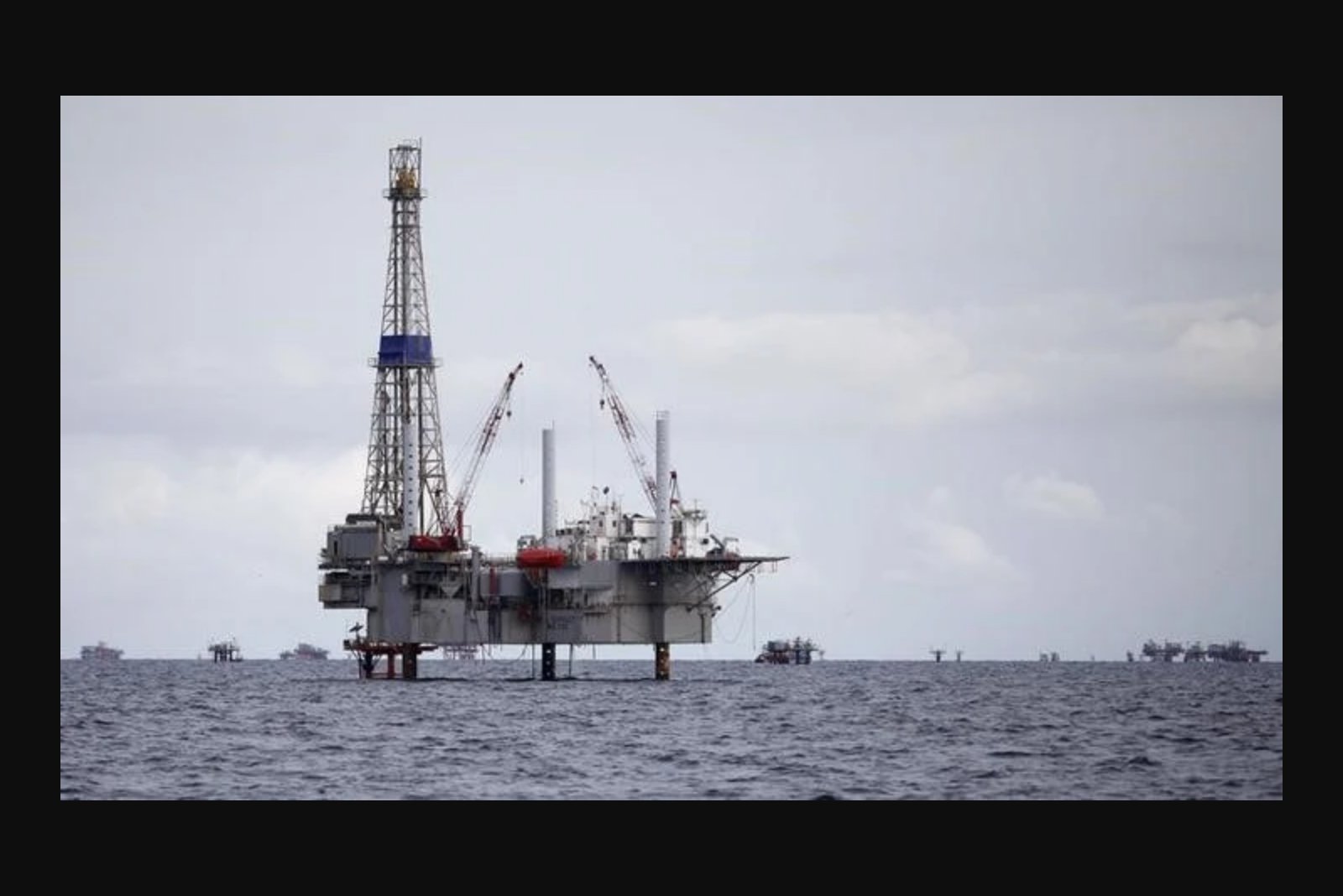
Oil prices moved higher on Wednesday as renewed fighting in Yemen between Iran-backed Houthi forces and the Saudi Arabia-backed government heightened concern over potential disruptions to global crude supplies.
Price moves
Brent crude futures for December delivery climbed 1% to settle at $110.45 a barrel. U.S. West Texas Intermediate crude futures for December rose 2% to finish the session at $101.94 a barrel.
What happened on the ground
The Houthi group has launched a series of strikes targeting Saudi energy infrastructure and civilian sites as the Saudi-led coalition presses an offensive to reclaim territory captured by the Houthis near the Bab el-Mandeb Strait. On Tuesday the Houthis said they had targeted the Ras Tanura refinery, the largest refinery in Saudi Arabia. Earlier in the week the group attacked Riyadh’s King Khalid International Airport and targeted pumping stations along Saudi Arabia’s East-West oil pipeline, which is used to move crude while bypassing the Strait of Hormuz.
Diplomacy continues but tensions persist
The intensified strikes came against the backdrop of diplomatic efforts aimed at reducing regional tensions. Representatives from Iran, Pakistan, Saudi Arabia and Türkiye met in a quadrilateral session this week and agreed to continue discussions intended to bolster peace and security. Despite that diplomatic push, the Houthi attacks kept pressure on markets by raising questions about the security of export routes and critical infrastructure.
Market and analyst commentary
Market watchers have focused on both shipping flows and onshore inventory data to assess the near-term supply picture. Walt Chancellor, an energy strategist at Macquarie, noted: "Current transit volumes remain relatively robust, with Strait of Hormuz flows running at approximately 10+ MBD, Red Sea transits at ~3-4 MBD, and Fujairah loadings exceeding 2 MBD. Collectively, exports from Hormuz-affected countries remain at or above 15 MBD, a level we believe is ample to limit or pause global inventory draws. As such, the pace of global stock draws has slowed markedly over the past month."
Geopolitical rhetoric
Media reports have suggested that President Donald Trump is contemplating a short and intense military campaign against Iran after the U.S. midterm elections. Speaking to reporters on Tuesday, Trump said on Iran: "It’s a question of when do I want to end it...They’ve wanted to make a deal, but they like tapping it along. Maybe they’re waiting for the election or something - but that’s not gonna help them."
U.S. inventory developments
Domestic stock data added to the market picture. The U.S. Energy Information Administration reported that commercial crude oil inventories, excluding the Strategic Petroleum Reserve, fell by 1.9 million barrels in the week to October 23, leaving stocks at 410.6 million barrels. Analysts had been expecting a modest increase of 100,000 barrels for the same period. When inventories including the SPR are counted, totals declined by 2.0 million barrels to 693.2 million barrels, the EIA said, the lowest level reported since October 1983.
Implications
The combination of attacks on major Saudi energy targets, sustained seaborne transit volumes, and an unexpected drop in U.S. commercial crude stocks has kept traders sensitive to the balance between physical flows and geopolitical risk. While observed transit volumes through key chokepoints remain at levels that market strategists view as sufficient to slow global stock draws, the strikes on facilities that enable exports around the Strait of Hormuz and in the Red Sea have introduced fresh uncertainty into the market.
Coverage note
Available public statements and official inventory figures were used to compile this report. Where commentary from market strategists or public figures is cited, the language reflects the original statements as reported.