
Market movement
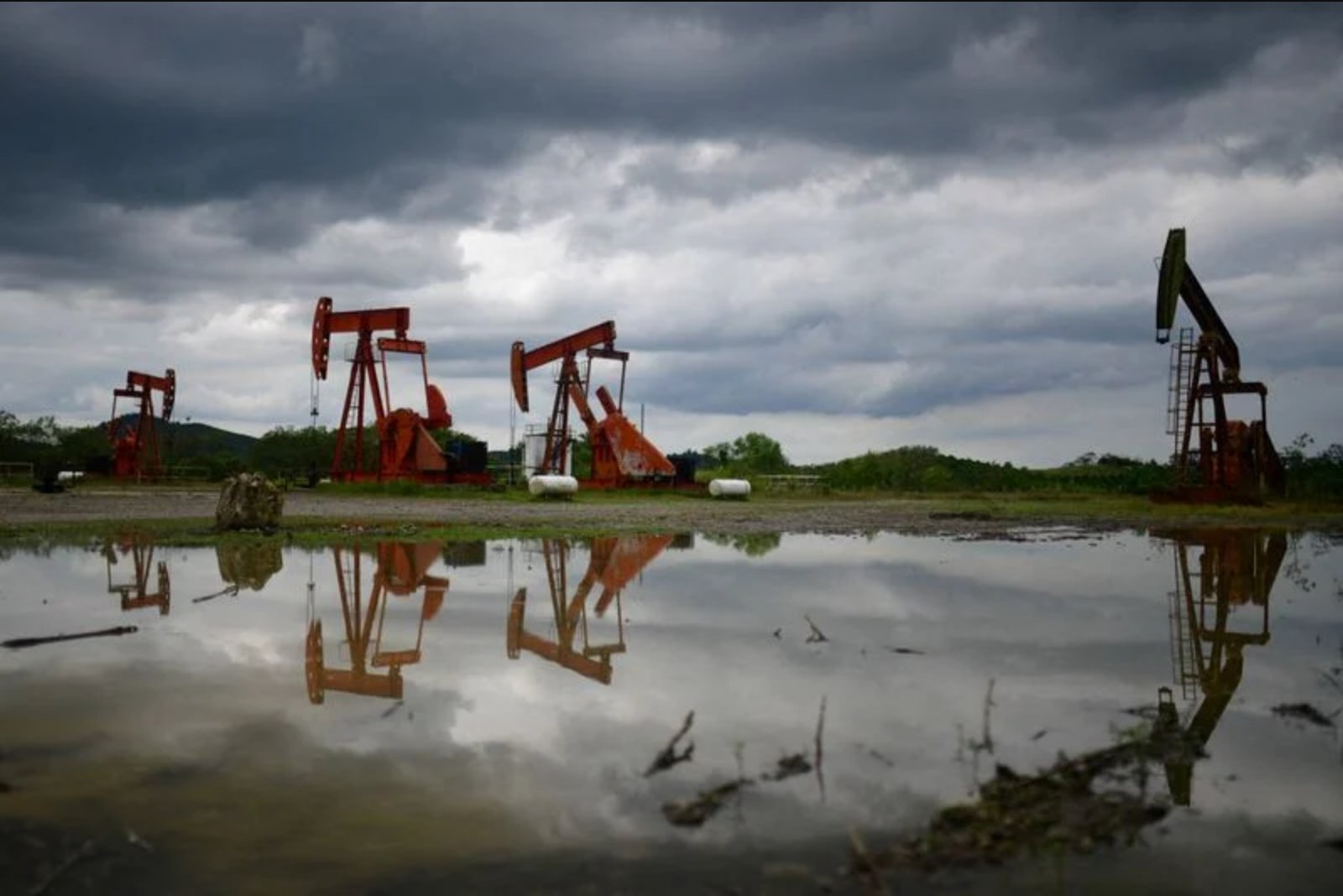
Oil prices gained slightly in early trading after Iran and Israel indicated a halt to exchanges of fire but left open the possibility of renewed strikes. Brent crude futures were up 13 cents, or 0.14%, at $94.38 a barrel at 0001 GMT, while U.S. West Texas Intermediate rose 11 cents, or 0.12%, to $91.41 a barrel at the same time.
Those modest moves followed a far sharper reaction in the previous session, when prices climbed as much as 5% after refreshed Israeli strikes on Iran and accompanying attacks in Lebanon reduced hopes that the wider conflict would end soon. The surge was trimmed after Iran's armed forces said they had ended their military operations against Israel.
Investor sentiment and analyst reactions
Market commentary emphasized that the recent pause has provided limited relief but not a durable resolution. "While there is some relief from the latest pause in direct strikes, investors are not convinced the truce will hold," said Tim Waterer, chief market analyst at KCM Trade. He added that the market appears to be pricing in continued uncertainty rather than a lasting resolution.
Similarly, Tony Sycamore, a market analyst at IG, noted that the temporary halt "helped stop the situation snowballing," but warned that the geopolitical backdrop remains tense and that a lasting peace deal remains elusive.
Statements from the parties involved
Iran and Israel both said they would halt exchanges following an appeal from U.S. President Donald Trump that they immediately "stop 'shooting'". Tehran, however, made clear it would resume strikes if Israel continued to target Hezbollah positions in Lebanon.
Israeli Prime Minister Benjamin Netanyahu, in a video statement carried by Israeli television, said Israel would respond with force if Iran attacked again. In an interview published on Monday, Mr. Trump told Axios that he had warned Mr. Netanyahu he might find himself fighting alone if he went back to war with Iran.
Strategic chokepoint and enforcement actions
One issue Washington is pressing Tehran on in talks is the reopening of the Strait of Hormuz, through which about a fifth of the world’s supply of oil passed prior to the airstrikes on Iran at the end of February. Control and safe passage through that waterway remain central to energy market assessments.
Separately, U.S. military forces disabled an unladen oil tanker in the Gulf of Oman after it attempted to sail to an Iranian port in violation of an ongoing blockade against Iran, the U.S. military said. The incident underscores the operational risks around maritime routes that carry crude to global markets.
Outlook
Traders and analysts are watching whether the current lull will broaden into a sustained de-escalation or prove to be another temporary pause. The near-term reaction in oil prices reflects guarded relief, while the underlying supply and regional security questions continue to feed uncertainty into energy markets.
Key data points cited
- Brent crude futures: $94.38 a barrel, up 13 cents (0.14%) at 0001 GMT
- U.S. West Texas Intermediate: $91.41 a barrel, up 11 cents (0.12%) at 0001 GMT
- Prices rose as much as 5% in the previous session before paring gains when Iran announced an end to military operations