
Satellite imagery and beach video verified by independent analysts show two separate oil slicks within the Gulf close to Iran's coast, creating fresh environmental concerns for the region already grappling with a substantial spill off Oman.
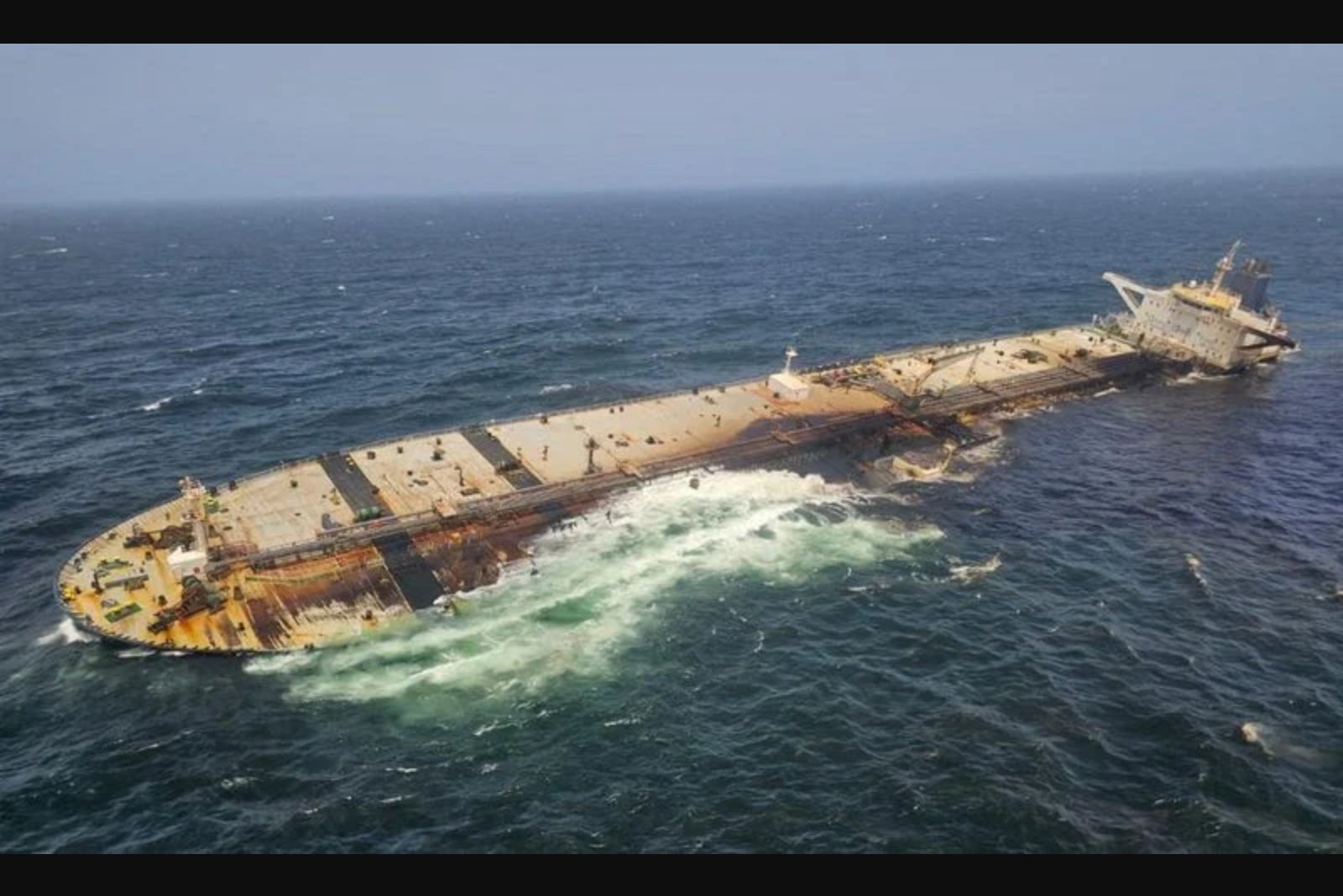
Offshore from Oman and outside the Strait of Hormuz, the grounded tanker Caroline Bezengi is leaking Russian crude oil in a protected marine area. Estimates of the spill's extent vary, with some placing the slick as large as 2,000 square kilometres. That incident has not been linked to the recent tit-for-tat attacks on vessels in the region.
The two more recent slicks are located inside the Gulf. One is off the southern tip of Qeshm Island, the large dolphin-shaped island in the Strait of Hormuz close to Iran’s coastline. Copernicus Sentinel-2 satellite images captured the dark sheen near Qeshm on August 10, while additional imagery for a separate slick centered near Sirri Island was taken on August 13.
Analysts interpreting the satellite pictures say the spill near Qeshm shows variations in colour and texture. Wim Zwijnenburg, an environmental open-source researcher at the Dutch organisation PAX, noted that the darker areas in parts of the slick indicate heavy fuel oil, while a lighter, more diffuse sheen extends for roughly 160 km.
On August 11, video posted from the beach at Suza on Qeshm Island showed a dark, bubbling liquid washing ashore, contrasting with the turquoise water surrounding it. Local footage and satellite observations together portray a spill with both dense, heavy components and a broader, diluted spread.
"This is the biggest one that I’ve seen in recent months, really since the conflict between Iran and the U.S. began," said John Amos, CEO of SkyTruth, a group that uses satellite imagery to detect oil spills, calling the incident "a major incident".
A second slick was detected nearer to Sirri Island, roughly 100 km southwest of Qeshm. Sirri supports some offshore oil and gas production activity, and the satellite imagery shows the sheen in waters close to that infrastructure.
Maritime monitors have linked the Qeshm slick to a separate incident involving the Minoan Pioneer, a Liberia-flagged dry bulk carrier. According to trackers, the Minoan Pioneer was struck by an unknown projectile on August 3 while transiting the Strait of Hormuz close to Oman’s coast; one seafarer was reported missing after that event. Sources involved in monitoring and maritime security say a leak from that vessel likely led to the slick observed near Qeshm.
A maritime security source familiar with the situation indicated that the same leak probably affected waters around Qeshm Island. An official post on the social platform X from Esmaeil Baqaei, a spokesperson for Iran’s Ministry of Foreign Affairs, said oil pollution had reached Qeshm Island and that preliminary evidence "indicates a foreign bulk carrier as the source."
The cause of the two Gulf slicks and the exact substances involved could not be independently confirmed.
Efforts to secure vessels and respond to leaks have faced operational constraints. A person involved in the salvage operation for the Minoan Pioneer said a tugboat sent to secure the grounded vessel could not approach it because of difficulties obtaining permission from Iranian authorities. Iran's Mission in Geneva did not respond to a request for immediate comment on the access issues.
Observers warn that the conflict environment complicates assessment and cleanup. Brian Barnes, a satellite oceanographer and research assistant professor at the University of South Florida, said that constrained response activity increases the time oil remains in the environment. "The longer that the oil is leaking into an environment, the more it can spread out and cause damage to ecosystems, coastlines," he said.
With multiple slicks now documented inside the Gulf and a separate, large spill off Oman, authorities and environmental monitors face overlapping challenges: identifying sources, confirming the composition of the substances, securing damaged vessels, and mounting cleanup operations under conditions of regional tension and access restrictions.
Those challenges are heightened by the proximity of slicks to island coastlines and to areas of offshore oil and gas production, raising concerns for marine ecosystems, shoreline habitats, and operations in the shipping and energy sectors.