
Markets opened with a clear sense of tit for tat as fresh military and trade actions pushed oil prices back into triple-digit territory and added to broader inflationary concerns.
Brent crude climbed past $100 per barrel again, a move linked in market commentary to renewed strikes in the Gulf region. Iran carried out attacks on U.S. bases, described as a further response after the United States destroyed several Iranian oil tankers. Iran-backed Houthi forces also conducted assaults on energy infrastructure and urban centers in Saudi Arabia the day before.
Those exchanges have once more slowed traffic through the Strait of Hormuz to a trickle, a dynamic markets are watching closely as the northern hemisphere approaches the winter season and major economies prepare for higher seasonal energy demand.
In parallel, Washington implemented bans on a range of Canadian imports - including several alcoholic beverages, motorcycles and dairy products - marking an intensification of an escalating trade dispute. Those prohibitions follow Canada’s prior "dollar-for-dollar" retaliatory measures against U.S. tariffs and come after public remarks from President Donald Trump that the Canadian jet maker Bombardier would be barred from selling planes in the United States unless it began domestic manufacturing.
Observers note the uncertainty over where the trade confrontation might end, and officials and markets in Europe and Asia are reportedly watching closely for signs that U.S. tariff escalation could spread more broadly.
The twin shocks of heightened geopolitical risk and a renewed inflation impulse have already influenced fixed income markets, pushing up long-term borrowing rates. That repricing is arriving during a week in which the European Central Bank is widely expected to raise interest rates again, while the Bank of Japan - and possibly the U.S. Federal Reserve - may follow with policy moves next week.
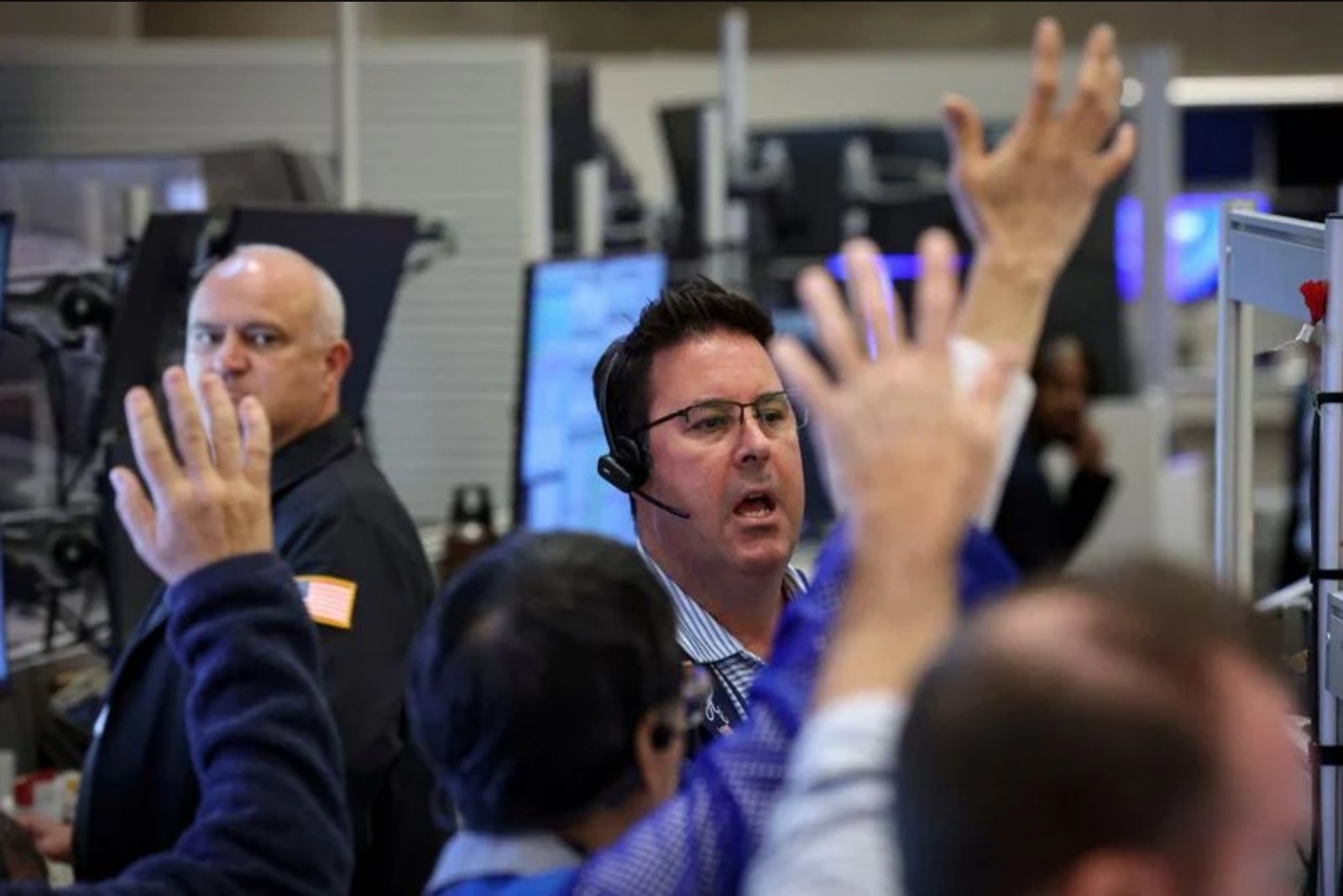
Equity markets felt the strain. Wall Street closed in negative territory on Tuesday as investors positioned for large U.S. inflation releases due later in the week. Market participants were also buoyed and unsettled by sector-specific moves: software stocks received a lift from the arrival of OpenAI’s latest model, GPT-6 Astra, while semiconductor shares staged another rally that extended into Asian trading on Wednesday.
On the bond side, attention is focused on a scheduled Treasury buyback program. Treasury Secretary Scott Bessent is reported to be conducting his first buyback, due Thursday, an action he characterised as aimed at cooling what he called bond market "fever". Yet Treasury yields remain about as high as when the buyback announcement was first made last month, suggesting the program has not yet materially reversed the pace of rate increases in long-term debt markets.
Currency markets have registered meaningful moves as well. The Japanese yen is trading near seven-month highs, reflecting expectations of an upcoming Bank of Japan rate increase and reports that large Japanese investors are redirecting funds back to the domestic market to capture now-higher yields on government bonds. The yen has risen roughly 4% so far this month, according to market observations, and continues to be subject to speculative positioning - short positions against the currency remain substantial despite recent interventions. Officials from the United States and Japan have both signalled support for the yen, with statements that challenge traders to bet against the currency.
China released August inflation data that showed a marked rise in both consumer and producer prices, a move attributed predominantly to higher energy costs. That uptick in inflation measures adds another layer of interest-rate and growth considerations for global policymakers and investors alike.
Analysts are flagging an additional transmission channel from the oil price resurgence to country-level balances. For example, the rebound of oil above $100 per barrel is expected to exert pressure on Japan’s energy import bill, potentially complicating the macroeconomic outlook as that nation moves through a period of currency appreciation and higher domestic bond yields.
Market participants will also be watching the U.S. Treasury’s auction calendar. A U.S. 10-year note auction is scheduled for 1 p.m. EDT, an event that could influence yields and the tone of global fixed income markets in the hours and days ahead.
Summary context - the interaction of renewed military actions in the Middle East, explicit trade retaliation between the U.S. and Canada, and central bank policy expectations has produced a synchronized repricing across commodities, currencies and bonds. The net effect so far is elevated energy prices, higher long-term yields and increased scrutiny on upcoming inflation reports.