
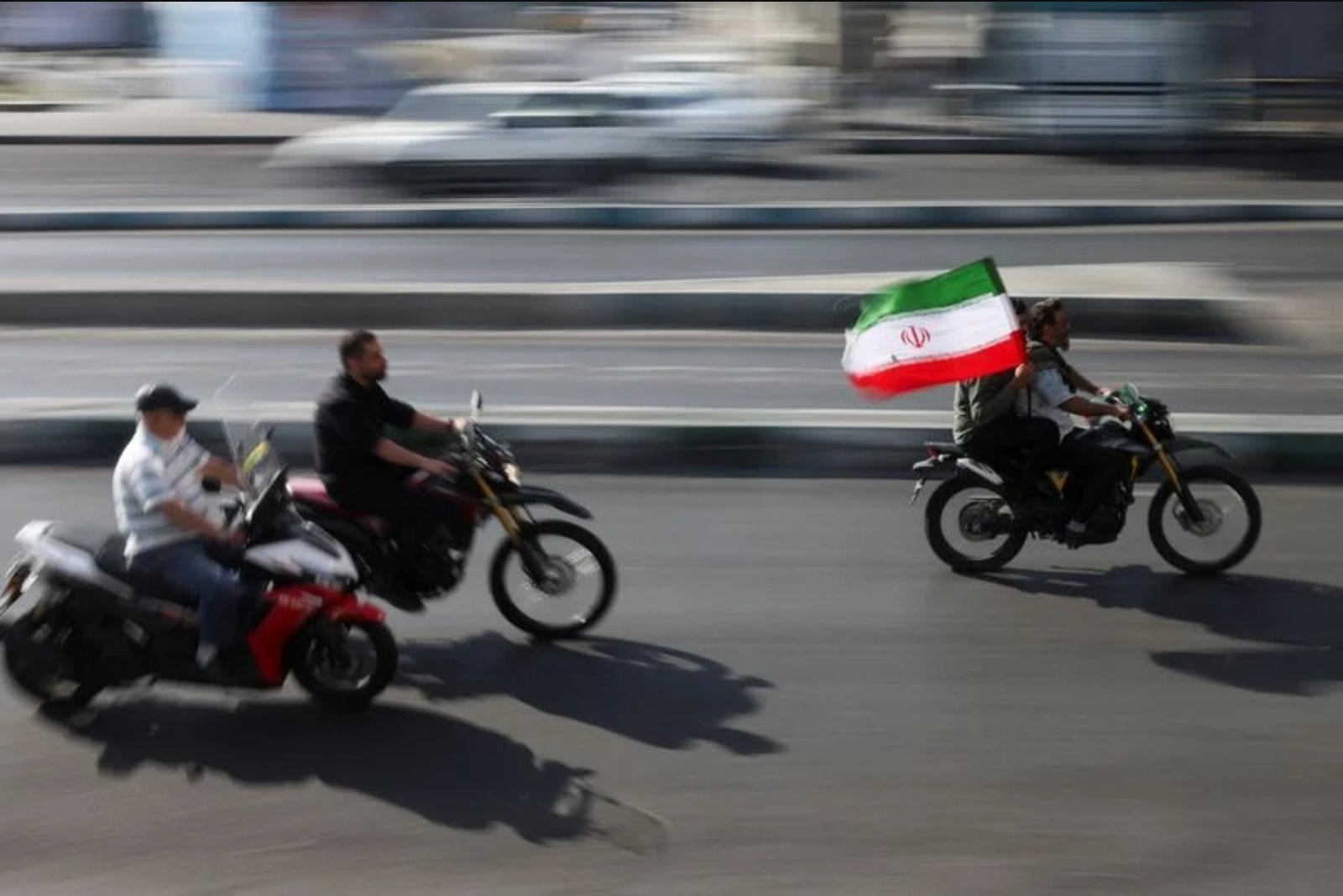
Iran’s Islamic Revolutionary Guard Corps (IRGC) issued a 26-page appeal to American voters urging them to remove from office political figures it described as responsible for the country’s current state, as U.S. forces prepared to leave their final bases in neighbouring Iraq on Wednesday. Tehran hailed the withdrawal, framing it as a success for its network of allied groups across the region.
The letter, released by the IRGC, called on Americans to use their electoral power to dismiss current leaders and to reject U.S. backing for Israel and further military engagements overseas. It argued that voters should ensure their politicians understand that global realities have shifted. Exact circulation and reach of the letter inside the United States remain uncertain; analysts cited in reporting on the matter noted it is unlikely to substantially influence U.S. voters, many of whom may never see the text published by Iranian media.
Nonetheless, the missive highlights political themes that U.S. analysts say are pressuring President Donald Trump and his Republican allies as the nation approaches the November 3 congressional elections. The political calendar presents a possible pathway for opposition Democrats to retake one or both chambers of Congress, which could constrain the president’s domestic and foreign policy agenda.
Within the IRGC document, the language was direct: "Remove from power the evil, deceitful, and violent politicians who are responsible for America’s current state," the letter said. "Make sure your politicians understand that the world has changed."
President Trump has campaigned on promises to avoid new wars, end ongoing conflicts and curb inflation. Yet the war with Iran - which the president waged alongside Israel - has been associated with higher global fuel prices and broader regional destabilisation, observers say. The conflict has drawn in Iran’s regional partners, including the Houthis in Yemen, Hezbollah in Lebanon and militias in Iraq.
A Reuters/Ipsos poll published on September 21 found that only 17% of respondents approved of Mr. Trump’s handling of the cost of living, which the poll identified as the top issue likely to influence voter decisions in November. The same survey indicated that 34% of respondents approved of the strikes on Iran.
The withdrawal from Iraq was permitted by President Trump and reflects an agreement reached in 2024 by former President Joe Biden. The departure comes 23 years after U.S.-led forces toppled Saddam Hussein, an episode that precipitated long-term upheaval in the country and region.
Qatar has again stepped forward as a mediator in efforts to end the seven-month-old war between Washington and Tehran. Qatari mediators spoke separately with U.S. and Iranian officials on Monday, and Qatar’s foreign ministry said it was exchanging messages between the parties in pursuit of common ground that could lead to a deal to avert further conflict repercussions.
Majed al-Ansari, a spokesperson for Qatar’s Foreign Ministry, told reporters that Doha was "working towards establishing a common ground in order to get into a deal that would save all of us from the repercussions of the conflict." Whether direct exchanges took place on the following day was not clear.
Negotiations between Washington and Tehran have included several rounds of talks and intermittent ceasefires but have yet to produce an enduring settlement. Discussions that intensified during last week’s United Nations General Assembly in New York did not deliver an agreement to reopen the strategic Strait of Hormuz. Before the conflict began in February, about 20% of global oil and liquefied natural gas passed through that waterway.
Iran has cast the U.S. withdrawal from Iraq as a victory for its so-called "axis of resistance," a term used for a network of allied armed groups across the Middle East. Tehran says its broader objective is to compel American forces to exit the wider region. Meanwhile, the conflict has degraded Iran’s conventional military capabilities and inflicted damage on an economy that the article describes as already ailing.
In response to U.S. military pressure, Iran has conducted missile and drone strikes against U.S. allies in the Gulf and has taken steps to restrict tanker traffic through the Strait of Hormuz. These actions have contributed to upward pressure on world energy prices. The conflict has also drawn regional blame for attacks on critical infrastructure; Saudi authorities attributed a September 10 attack that disabled the East-West Pipeline to militias aligned with Iran.
President Trump reiterated his position that the United States must prevent Iran from acquiring a nuclear weapon and said the war would end soon. "I don’t know if they are going to give up yet but they’ll give up," he told reporters, adding, "They are doing very poorly."
At the United Nations General Assembly last week, Iran proposed a plan that would initiate a seven-day countdown to reopening the Strait of Hormuz paired with a pause in fighting. Mr. Trump publicly rejected that plan on Saturday; Iran’s foreign minister, Abbas Araqchi, said the following day that Washington had not formally communicated an official rejection through mediators.
President Trump has described multiple objectives for the campaign against Iran: weakening its nuclear infrastructure, diminishing its capacity to strike neighbouring states, and creating circumstances that could prompt internal political change in Iran. Tehran, for its part, denies seeking nuclear weapons and asserts a right to pursue nuclear technology for peaceful purposes under the nuclear Non-Proliferation Treaty. The United States remains a nuclear-armed state.
For now, despite diplomatic exchanges and intermittent ceasefires, the conflict’s trajectory remains uncertain. Qatar’s mediating efforts and the withdrawal of U.S. forces from Iraq have both altered the operational and political landscape, but they have not yet yielded a definitive pathway out of hostilities or a reliable reopening of key energy passages.
Key points
- The IRGC published a 26-page letter urging American voters to remove certain U.S. politicians and to reject support for Israel and foreign military intervention - a move Iran framed as targeting political drivers of the conflict.
- The final withdrawal of U.S. forces from Iraq was completed as part of an agreement reached in 2024, a development Tehran hailed as a success for its regional alliances; the conflict has pushed up global energy prices by disrupting tanker traffic and contributing to strikes in the Gulf.
- Qatar has resumed an active mediation role, exchanging messages with both U.S. and Iranian officials in an attempt to broker a deal that could pause hostilities and reopen the Strait of Hormuz.
Risks and uncertainties
- Continued restrictions on tanker traffic through the Strait of Hormuz and ongoing missile and drone strikes risk further upward pressure on global energy prices - impacting the oil and shipping sectors.
- Escalation via allied militia actions or further strikes on regional infrastructure, such as pipelines, could disrupt energy supply chains and raise operational risks for energy infrastructure and logistics businesses.
- The lack of a confirmed diplomatic agreement leaves uncertain whether ceasefire proposals, including Iran’s seven-day reopening plan for the strait, will be accepted and implemented - affecting market sentiment in commodities and regional trade.