
Market snapshot
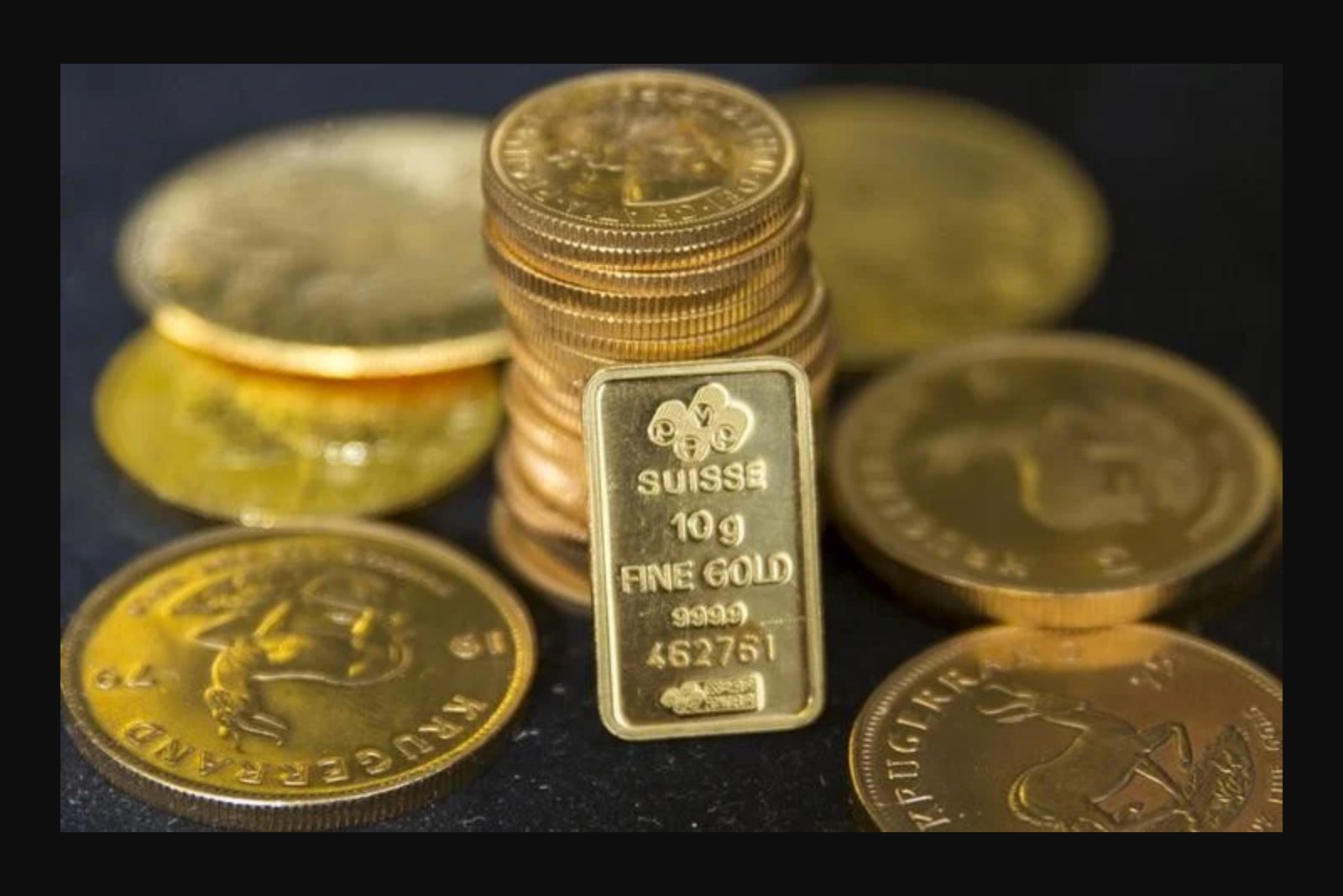
On Friday afternoon U.S. time, spot gold rose 2.4% to $4,343.46 per ounce at 15:55 ET (19:55 GMT), while gold futures were up 2.4% at $4,402.67 per ounce. Both benchmark contracts reached their highest levels since early June and were on pace for weekly gains of more than 7%.
Dollar and rates reaction after the jobs report
The immediate catalyst for bullion's advance was a U.S. jobs report that undercut expectations for additional Fed tightening. Nonfarm payrolls fell by 23,000 in July, versus a consensus forecast for an increase of 85,000, marking the first monthly decline in payrolls since February. At the same time, employment figures for May and June were revised down by a combined 103,000. Despite the headline payroll shortfall, the unemployment rate edged down to 4.1% in July from 4.2% in June.
The decline in total payrolls was driven in large part by a near 50,000 monthly reduction in local government education employment.
Markets interpreted the weaker-than-expected payrolls as a sign that the Federal Reserve may have more time before it needs to raise interest rates again. According to the CME FedWatch tool, the probability of a quarter-point Fed rate hike in September fell to 44% from 55% the day before the jobs release.
Why the Fed faces a policy dilemma
The labor market and inflation have diverged in ways that complicate the Fed's decision-making. On the one hand, a still-resilient jobs picture has previously supported the case for further rate increases to combat persistently high inflation. On the other hand, elevated inflationary pressures - amplified by swings in oil prices stemming from the Middle East conflict - have kept upside risks to prices in focus for policymakers.
"This morning’s report is a game changer in the sense that all of the recent focus has been on inflation and this report highlights the risks that are embedded in the labor market as well. Before today, many were expecting that the Fed had no choice but to raise rates in order to fight stubbornly high inflation, because the job market was so strong, but this report shows that isn’t the case," said Chris Zaccarelli, chief investment officer at Northlight Asset Management. "Next week’s CPI release will be important – and if the data continues to come in higher than expected, it could raise the probability of a rate hike at the Fed’s next meeting – but today’s jobs numbers should be enough to keep the Fed on hold for at least another meeting."
Higher interest-rate expectations typically pressure non-yielding assets such as gold by increasing the opportunity cost of holding bullion and by strengthening the U.S. dollar, which makes gold more expensive for buyers using other currencies. The recent shift in rate odds, prompted by the payrolls miss, has therefore eased one of the headwinds to gold.
Energy market developments and geopolitical backdrop
Oil markets have also played a role in the move in precious metals. Volatility in oil prices related to tensions in the Middle East has kept inflation risks elevated, which in turn influences central bank thinking.
Reports indicated diplomatic activity aimed at reopening the Strait of Hormuz. One account said Iran was awaiting final approval from its Supreme National Security Council on a deal involving Oman and the U.S. to reopen the strategic waterway, while another noted progress on a deal, citing a U.S. official. At the same time, Iranian state media reported that Tehran had struck what it described as "hostile targets" in the strait and planned to bar U.S. and Israeli vessels from transiting the channel. Iranian officials had also described an agreement with Oman as being in its final stages.
Further regional escalation was reported as Iran-backed Houthi militants in Yemen allegedly carried out a fresh attack on Saudi Arabia. Despite these developments, President Donald Trump said he believed the war would end "pretty soon" and asserted that the U.S. remained in control of the Strait of Hormuz.
Against this uncertain backdrop, Brent crude futures moved unevenly as markets weighed the risk that prolonged disruptions to shipping routes in the Middle East could spark energy-driven inflation and, by extension, a renewed push for central bank tightening.
What this means for markets
The combination of a softer dollar, easing odds of a near-term Fed rate increase and lower oil prices at points during the session supported a rally in gold prices. With both spot and futures reaching multi-week highs and the market set for a strong weekly advance, investors may be reassessing the interplay between monetary-policy expectations and inflationary pressures tied to geopolitics and energy markets.
How next week’s consumer price index data prints will matter: if CPI continues to surprise on the upside, that could raise the probability of policy tightening despite the payrolls weakness; conversely, further signs of labor-market softness may keep the Fed on hold for longer and underpin safe-haven demand for bullion.
Note: All price levels and probabilities referenced in this report reflect market data and tools available at the time of the jobs release and subsequent trading session.