
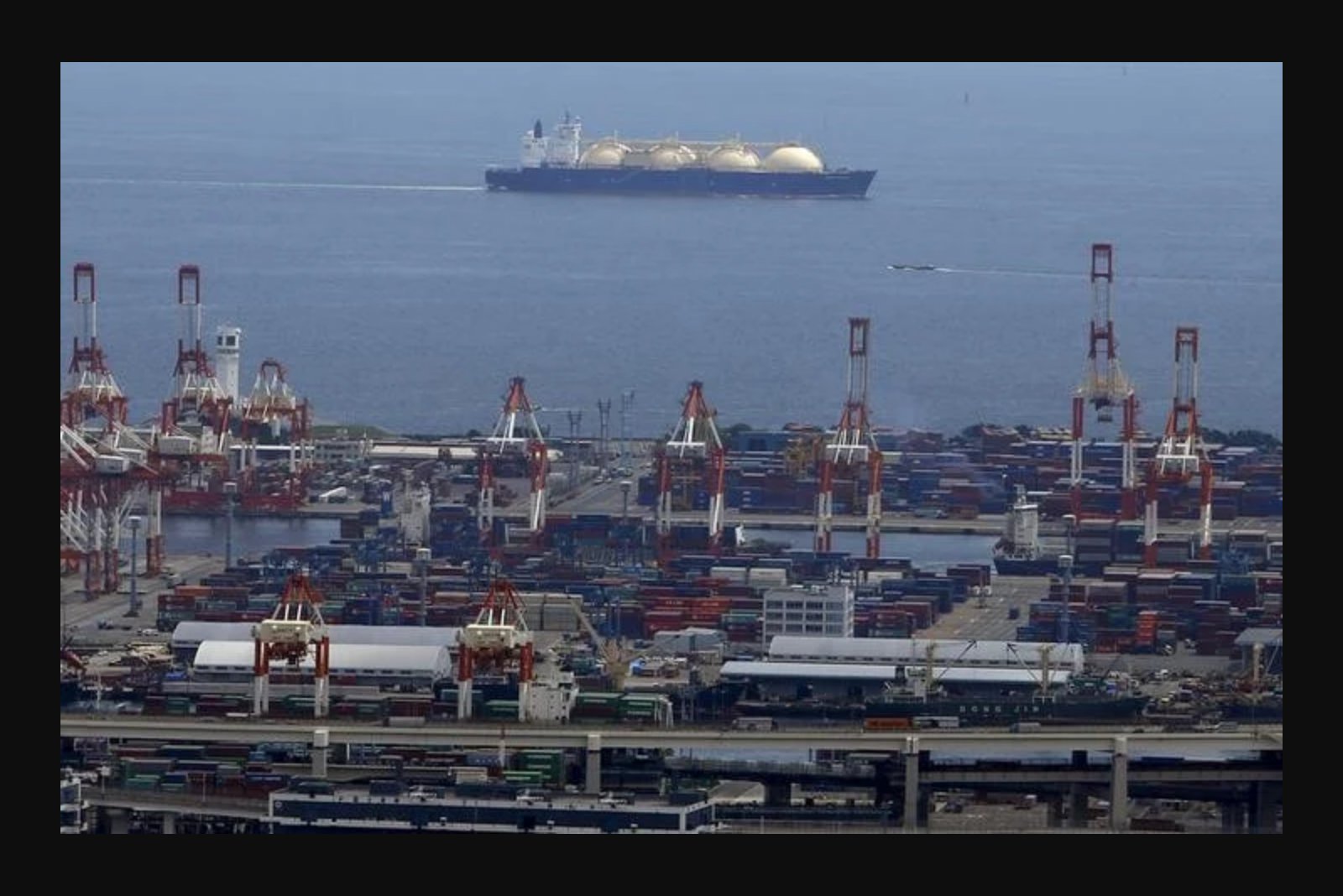
European natural gas markets were largely range-bound on Wednesday as tanker traffic through the Strait of Hormuz showed signs of returning to more typical patterns.
Prices have been on a downward trajectory as the tentative easing of transit frictions removed a sizeable geopolitical risk premium that had supported elevated contracts for months. Front-month futures moved back toward the 40 euro per megawatt-hour mark, unwinding a portion of the extreme spikes recorded at the height of the conflict when blockades and near-transit halts imperiled a key route for global liquefied natural gas (LNG).
Market participants noted a sudden uptick in Qatari-laden carriers re-entering the waterway, an influx that acts as a pressure release for continental buyers. That additional supply has helped draw market prices closer to pre-conflict levels by restoring a source of contracted cargoes that had been constrained.
On the screen, the benchmark Dutch natural gas contract slipped 0.8% to 41.68 euro per megawatt hour, while the British contract declined 1% to 99.24 pence per therm. Those moves reflect the broader pullback as the perceived threat to LNG transit has diminished.
For consumers across Europe, the sharp deflation of the energy shock offers timely relief against a backdrop marked by deep-seated industrial weakness and a cooling overall economy. Lower wholesale gas prices reduce near-term cost pressures for households and energy-intensive industries, easing some immediate financial strains.
Nonetheless, the broader macroeconomic context tempers expectations that the normalization in shipments will translate into a rapid economic rebound. With the Eurozone already signaling structural stagnation, the removal of the premium may function principally as a defensive shield - staving off a much harsher recession rather than acting as a clear growth catalyst.
Market snapshot:
- Front-month futures moved toward the 40 euro per megawatt-hour level.
- Benchmark Dutch contract down 0.8% to 41.68 euro per megawatt hour.
- British contract fell 1% to 99.24 pence per therm.
This episode highlights how shifts in physical tanker flows through a single strategic chokepoint can rapidly alter risk premia and price levels in continental energy markets. The immediate consequence is a moderation in price volatility and a reduction in cost pressure for consumers, but the extent to which that translates into broader economic momentum is limited by pre-existing structural challenges in the Eurozone.