
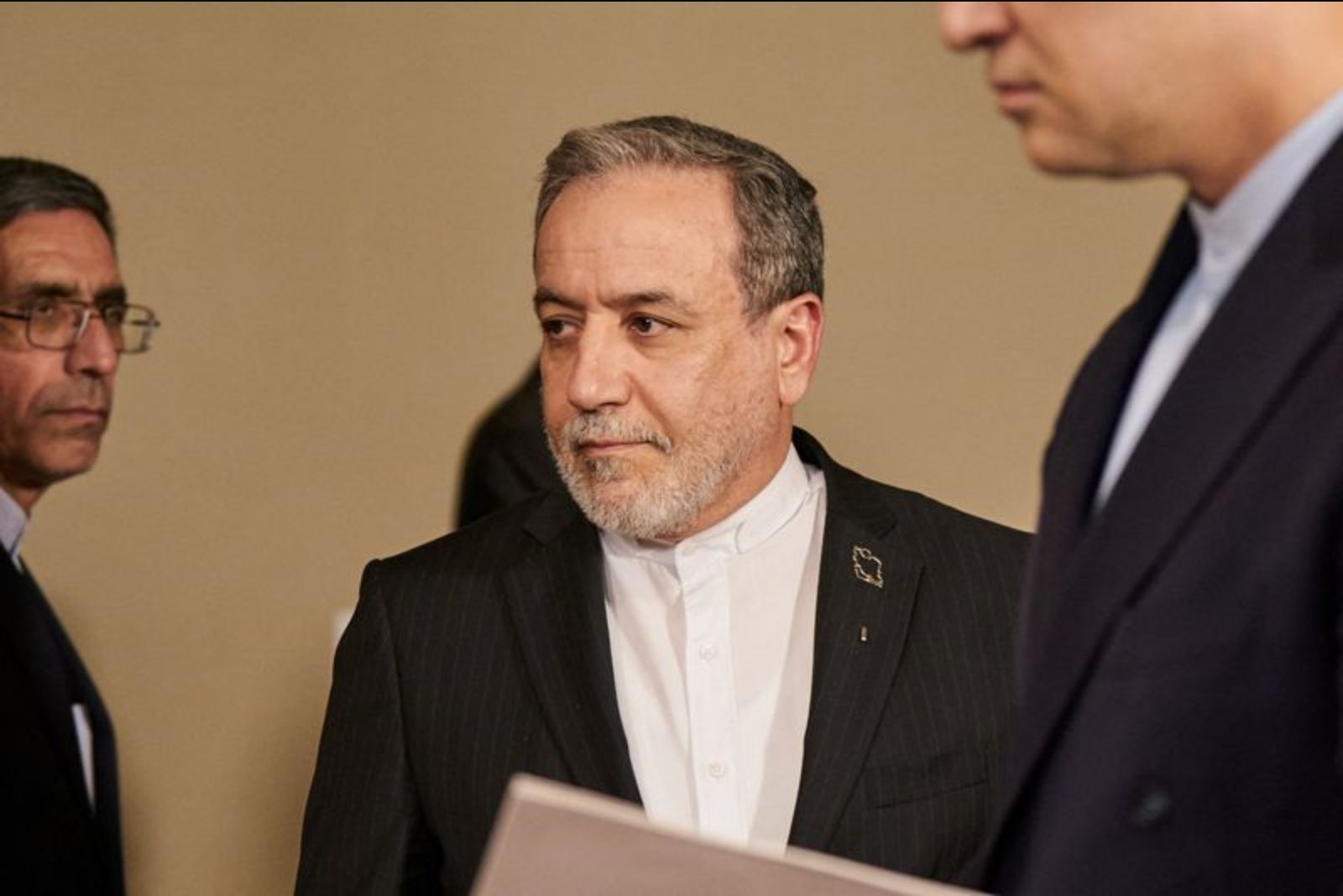
Summary: Qatari intermediaries passed U.S. comments to Iranian Foreign Minister Abbas Araqchi in Doha concerning a seven-day framework intended to rebuild trust between the United States and Iran. The primary obstacle identified in the feedback is sequencing - the order in which agreed measures would be carried out - rather than disagreement over the measures themselves. Araqchi was expected to report the U.S. response to officials in Tehran the following day.
On Sept. 30, Qatari mediators met with Araqchi in Doha to convey what they had been told by U.S. interlocutors, according to an official who was not Iranian but had been briefed on the exchanges. The same official said the mediators had carried the written response from Washington after stopping in the United States and relaying those comments to Araqchi and his delegation on Monday while returning from their trip.
Last week, Tehran put forward a proposal that laid out a seven-day sequence of steps aimed at restoring trust - a plan under which Araqchi said the Strait of Hormuz could be reopened and normal maritime passage resumed if specified conditions were satisfied. The proposal prompted an immediate public rebuff from U.S. President Donald Trump, and that rejection spurred renewed efforts by Qatar to mediate between the two capitals.
The document now circulating among the parties outlines a week-long trust-building period intended to steer both sides back toward an enhanced version of the memorandum of understanding they reached in June. The official described the draft as including concrete measures related to Iran's nuclear programme as part of that effort, but offered no further specifics about those measures.
According to the official, the disagreement between Washington and Tehran is concentrated on sequencing - the order and timing of actions - rather than on the individual components that would make up the seven-day arrangement. Qatar has continued to shuttle messages between the two governments in an effort to end the recent confrontation and enable the reopening of the Strait of Hormuz.
That June memorandum of understanding had previously produced a short-lived ceasefire and contained provisions addressing both the status of the Strait of Hormuz and aspects of Iran's nuclear programme, the official said.
Note: Details provided here reflect the information that an official briefed on the discussions made available; no additional elaboration on the specific steps or sequencing was provided by that official.