
Brent crude oil saw an unusual pricing pattern on Wednesday when contracts for second-month delivery rose above those for prompt delivery - the first occurrence since the Iran war began in late February. The global benchmark traded 12 cents higher for September delivery compared with August, indicating that traders view prompt barrels as relatively abundant while expecting fewer cargoes in later months.
Market participants described the move as evidence of an immediate supply swell. "We have the prospect of a big rush in physical supply out of the Arab Gulf. So we are in a mini glut for now as demand needs to be tempted back," said Neil Crosby, head of research at Sparta Commodities.
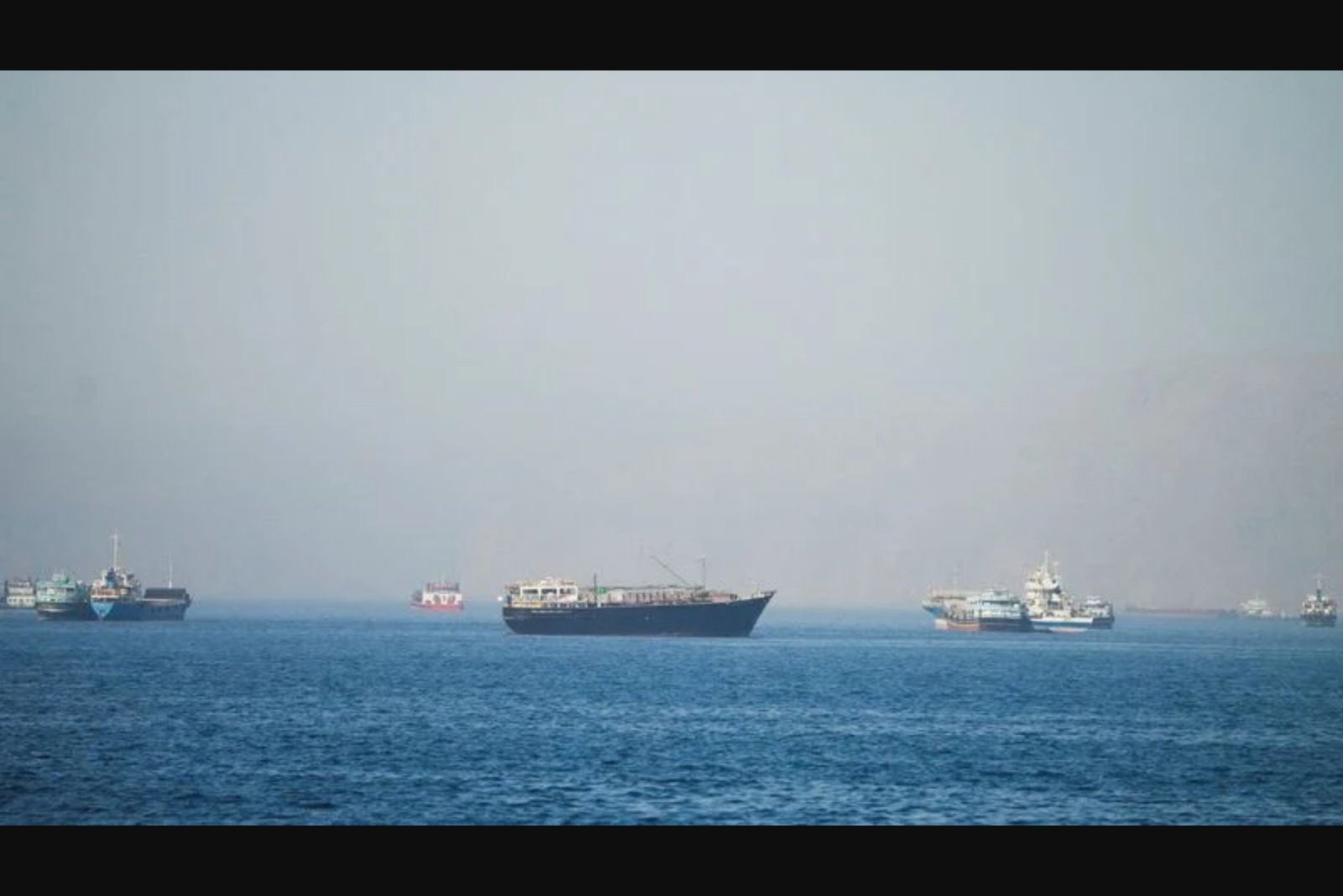
At the Reuters Global Energy Forum in New York, U.S. Energy Secretary Chris Wright said around 20 million barrels of oil had exited the Strait of Hormuz in the prior 24 hours, calling those shipments a return to normal flows. Shipping data showed three stranded tankers carrying a combined 5 million barrels of crude were exiting the strait on Wednesday, a development linked to an interim deal between Iran and the U.S. that has helped unlock supplies that had been stuck in the Gulf.
Traders are responding briskly to the wave of supply. "People are selling the flood of oil coming to the market from the Middle East, and trying to unload contracts fast. There is a lot of selling in August," said Bob Yawger, director of energy futures at Mizuho, referring to the next contract delivery period.
Physical crude oil cargoes were reported selling at discounts across global loading and destination ports, a dynamic that is altering trade flows as markets absorb rapidly rising Middle Eastern output. The article notes that Iran could increase sales further following a temporary reprieve from U.S. sanctions, a factor that has contributed to the sudden uptick in shipments.
The pricing inversion and discounted physical cargoes together point to immediate pressure on the market as supply re-enters circulation. Market players quoted in this report framed the situation as a near-term surplus that will require demand to respond before forward-month contracts align with prompt prices.
Sectors affected - Oil prices and futures markets, physical oil trading and shipping lanes, and refiners and buyers who source prompt cargoes are indicated as being directly impacted by the developments described above.