
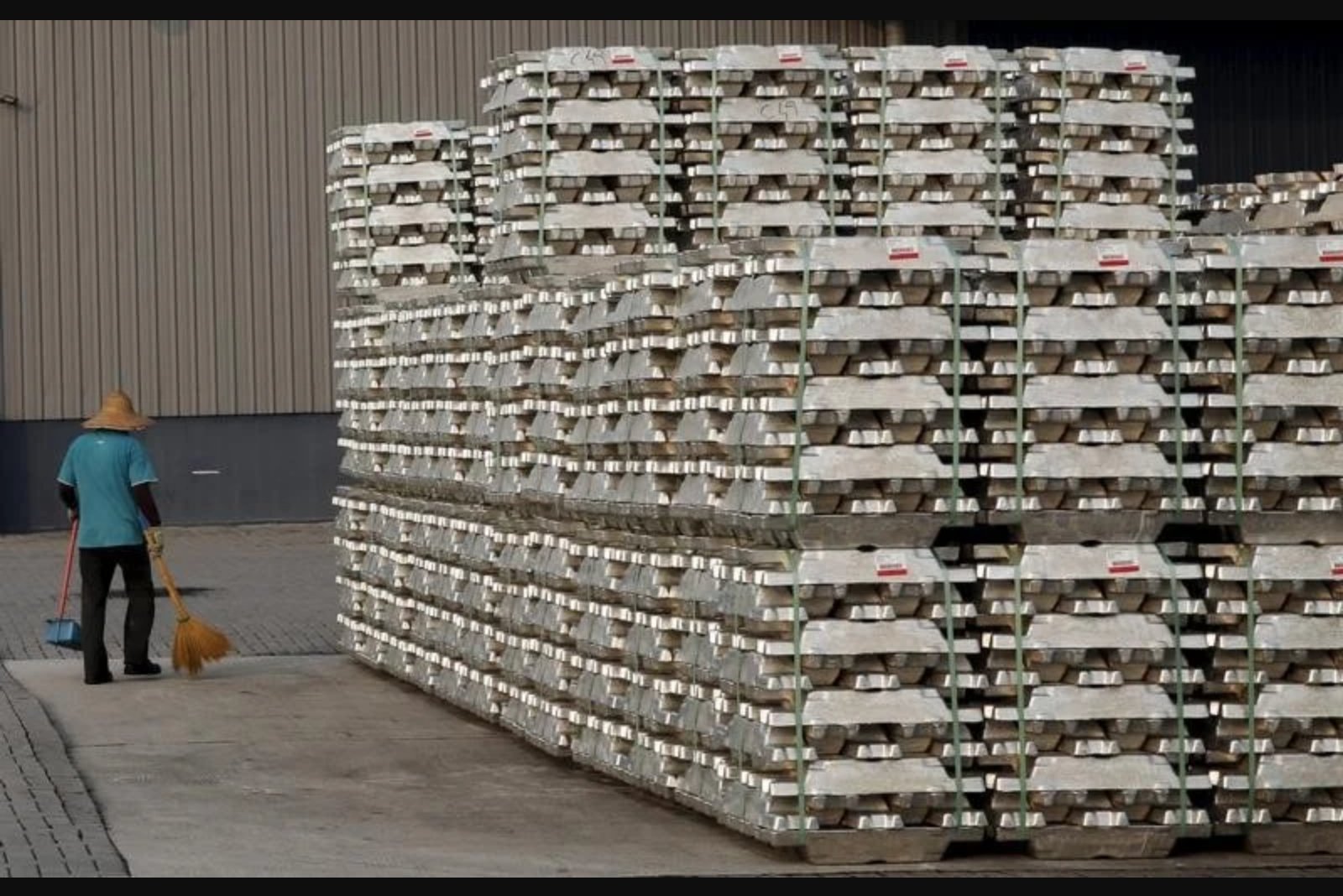
Aluminium prices retreated to three-month lows on Wednesday amid a reduction in the market's risk premium tied to the Middle East and renewed strength in the U.S. dollar. The shift in sentiment weighed on benchmark contracts in both London and Shanghai.
On the London Metal Exchange, the three-month aluminium contract fell 0.76% to $3,208 per metric ton by 0701 GMT. Earlier in the session the same contract dropped as low as $3,191 per metric ton, the weakest level recorded since March 24.
Meanwhile on the Shanghai Futures Exchange, the most-traded aluminium contract declined 1.43% and closed at 23,405 yuan per ton, equivalent to $3,439.23 per ton. The contract hit an intraday low of 23,320 yuan, its weakest settlement since March 20.
Analysts cited by market participants pointed to an expectation that aluminium supply from the Gulf region will return to more normal levels after disruptions linked to war-related production interruptions, shipping challenges and elevated energy costs. Those sources said the restoration of flows is expected to be gradual rather than immediate.
The price moves on Wednesday reflected the combination of a reduced geopolitical risk premium and currency dynamics, with a firmer dollar typically weighing on dollar-priced commodities. Traders monitored both the technical lows recorded during the session and the statements from market analysts regarding an incremental recovery in Gulf exports.
While the immediate price action registered the three-month lows noted on both exchanges, the outlook described by analysts was one of a phased return of supply rather than a rapid rebound. That expectation underpinned investor positioning during the session as participants weighed near-term spot market signals against the anticipated improvement in physical flows from the Gulf.
Summary
Aluminium benchmarks in London and Shanghai fell to their lowest levels since late March after Middle East risk concerns eased and the U.S. dollar strengthened. Analysts expect Gulf-region supply, previously affected by war-related production and shipping disruptions and higher energy costs, to come back gradually.