
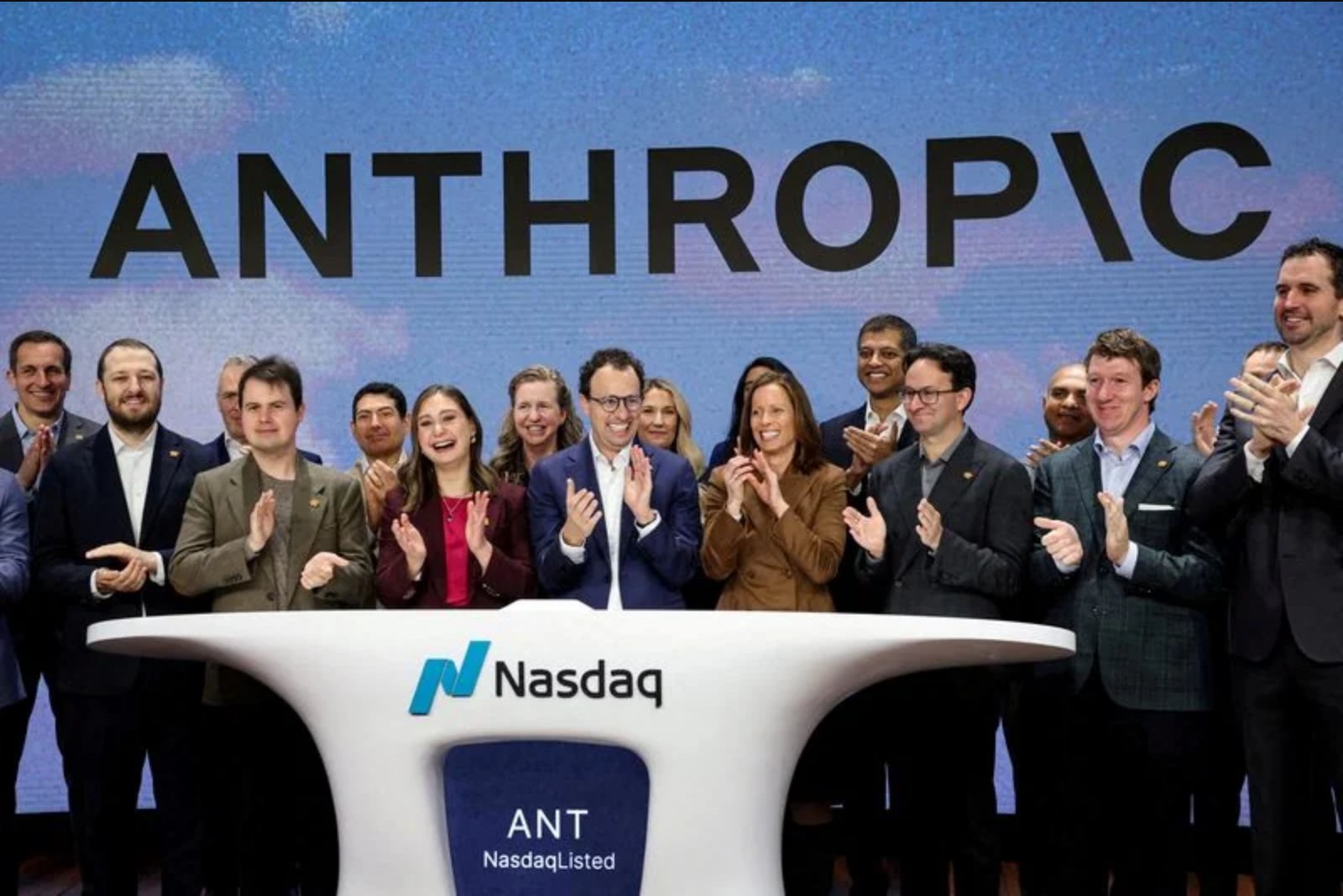
Markets opened this week with two events that might have been expected to reinforce the AI-led rally: a blowout earnings report from Nvidia and the public debut of Anthropic. Instead, global equities had one of their worst stretches in years, with Asian shares suffering their steepest weekly drop since 2020. The juxtaposition of standout company-level news and rising macro and regulatory anxieties has left investors reassessing how durable the recent AI-driven advance really is.
The week’s corporate headlines began brightly. Nvidia, the dominant player in AI semiconductors, released earnings that materially beat expectations, marking its 17th consecutive quarter of revenue upside. The chipmaker disclosed third-quarter sales of $115.84 billion and lifted its fiscal 2028 revenue growth outlook to 75% year-on-year. At face value, those numbers reinforced the case for structural demand in AI infrastructure.
Anthropic, a four-year-old generative AI firm, staged a blockbuster initial public offering on the Nasdaq that initially grabbed attention away from Nvidia. The stock jumped as high as $115 on its first day of trading - roughly 38% above the offering price - before relinquishing much of the early gains and finishing the session up about 17%. The listing pushed Anthropic’s fully diluted valuation past $2 trillion at one point, though the share price showed further weakness in premarket trading the following day. While the IPO carried clear excitement, the offering arrived amid persistent questions about the sustainability of Anthropic’s business model and the broader timing of AI enthusiasm.
Compounding investor nervousness were fresh regulatory and corporate governance concerns centered on the semiconductor sector. The fallout from what has been described as the Jensen Huang scandal persisted, coinciding with increased US restrictions on advanced chip sales to China and reports of additional inquiries. The controversy has contributed to heightened scrutiny of major chip suppliers and to a rapid reevaluation of their valuations: within roughly six weeks, the longtime AI market darling lost about $2 trillion in market capitalization.
Further unease followed a report from Hunterbrook Media suggesting that AMD’s commercial relationships in China could draw greater regulatory attention from US authorities. The report noted Hunterbrook is shorting the firm. An AMD spokesman pushed back against the claims, stating, "The claims misrepresent AMD’s business practices and relationships." The report and the spokesman’s response underscored how quickly corporate narratives can shift and how sensitive markets are to perceived governance or regulatory risk.
Those company-specific shocks fed through to regional markets. MSCI’s broadest index of Asia-Pacific shares ex-Japan plunged 8.5% over the week, marking its largest weekly decline since March 2020. The combination of AI trade jitters, regulatory headlines, and macro concerns left Asian investors particularly vulnerable over the period.
At the same time, US policy moves appeared to tighten the backdrop for semiconductor exports to China. In response to the controversy surrounding Nvidia, the US administration announced further limits on China’s access to advanced AI chips, including restrictions on shipments routed through Southeast Asian countries that can serve as transshipment points. China’s Commerce Ministry warned that Beijing would take countermeasures if the US imposed the new rule. The escalation in trade controls intersected with diplomatic activity in the region.
President Trump met Chinese President Xi Jinping and Russian President Vladimir Putin on the sidelines of the Asia-Pacific Economic Cooperation (APEC) summit in Shenzhen. Although the leaders publicly pledged to oppose trade "protectionism," the trilateral meeting produced largely cordial gestures rather than substantive breakthroughs. The summit concluded with a "peace declaration" reaffirming the principle that a nuclear war should never be fought, along with pledges to pursue United Nations reforms, to increase supplies of refined petroleum products, and to uphold the immunity of state officials in international courts.
Observers noted the absence of Europe from that meeting. While the European Union is not a member of APEC, the omission was highlighted against the summit’s discussion topics - energy security, nuclear proliferation and ongoing conflicts - as a reminder of limits on Europe’s ability to convert economic weight into geopolitical influence. Meanwhile, the UK and EU scheduled a summit on Friday intended to focus on cooperation in trade, energy and mobility. The meeting presented an early opportunity for UK Prime Minister Andy Burnham to demonstrate commitment to bolstering ties with the bloc; Burnham had previously said he would like to see Brexit reversed in his lifetime, and he is 56.
Macroeconomic signals in the United States added another layer of complexity. Minutes from the Federal Reserve’s October meeting indicated that most policymakers saw a need for further interest rate increases to bring inflation back to the 2% target, with some officials weighing a 50-basis-point hike. Fed Governor Christopher Waller reiterated the hawkish tone, saying the Fed must get "aggressive" and shock people to prevent today’s roughly 3% inflation rate from becoming entrenched. St. Louis Fed President Alberto Musalem likewise warned that "several" hikes would likely be required.
Recent economic releases did little to calm concerns about persistent inflation. US October retail sales rose 0.2%, following an unrevised 0.8% surge in September, and import prices climbed more than expected - a pattern consistent with earlier reports of hot inflation. Elevated energy costs were noted as feeding through into other goods and services.
Commodity markets displayed mixed signals. Oil prices were pulled in opposing directions by expectations of a near-term supply glut and by ongoing attacks in the Middle East. Brent crude traded above $90 a barrel on Friday morning but was on track for another weekly decline.
For investors and market watchers, the week offered a reminder that strong company results and headline IPOs do not operate in a vacuum. Corporate performance, regulatory developments, geopolitics and central bank policy can swiftly reshape sentiment. Nvidia’s blowout sales and Anthropic’s high-profile listing were necessary, but not sufficient, to offset the broader pressures that weighed on risk assets.
Weekend timing brings a temporary pause - Morning Bid will be off next week for the Thanksgiving holiday - but the issues raised over the recent days are likely to remain on traders’ radars when markets reopen. In the meantime, a set of topical questions has been circulating among columnists and strategists as they parse the episode and its implications for markets and policy:
- What can the last two bubbles teach us about the AI boom?
- How have the US midterms upended narratives in energy markets?
- Which major Nvidia risks predated the Jensen Huang scandal?
- What effect is the AI trade having on the dollar?
- How has the US "blue wave" reshuffled Asia’s winners and losers?
- Why might Fed Chair Kevin Warsh’s true test begin now?
- Is Saudi Arabia’s Vision 2030 a casualty of the Iran war?
- Are we "tipping" billionaires too much or too little?
- Can Europe import enough LNG to make it through the winter?
- Is AI a true game changer in metals or just more hype?
- Which key metal is facing massively depleted stocks?
The week also included a flurry of commentary about the scope and sustainability of AI investment flows, and about how much the sector’s momentum depends on continued investor tolerance for valuation risk amid elevated macro uncertainty. Those conversations are likely to persist as market participants sort through regulatory moves, corporate governance controversies, macro releases and geopolitical developments.
If you are celebrating Thanksgiving next week, enjoy the holiday. And for readers who want to receive the Morning Bid directly, sign-up options remain available. Comments and responses are welcome; the editorial note closed with an invitation to reach out at the contact provided in the original distribution.