
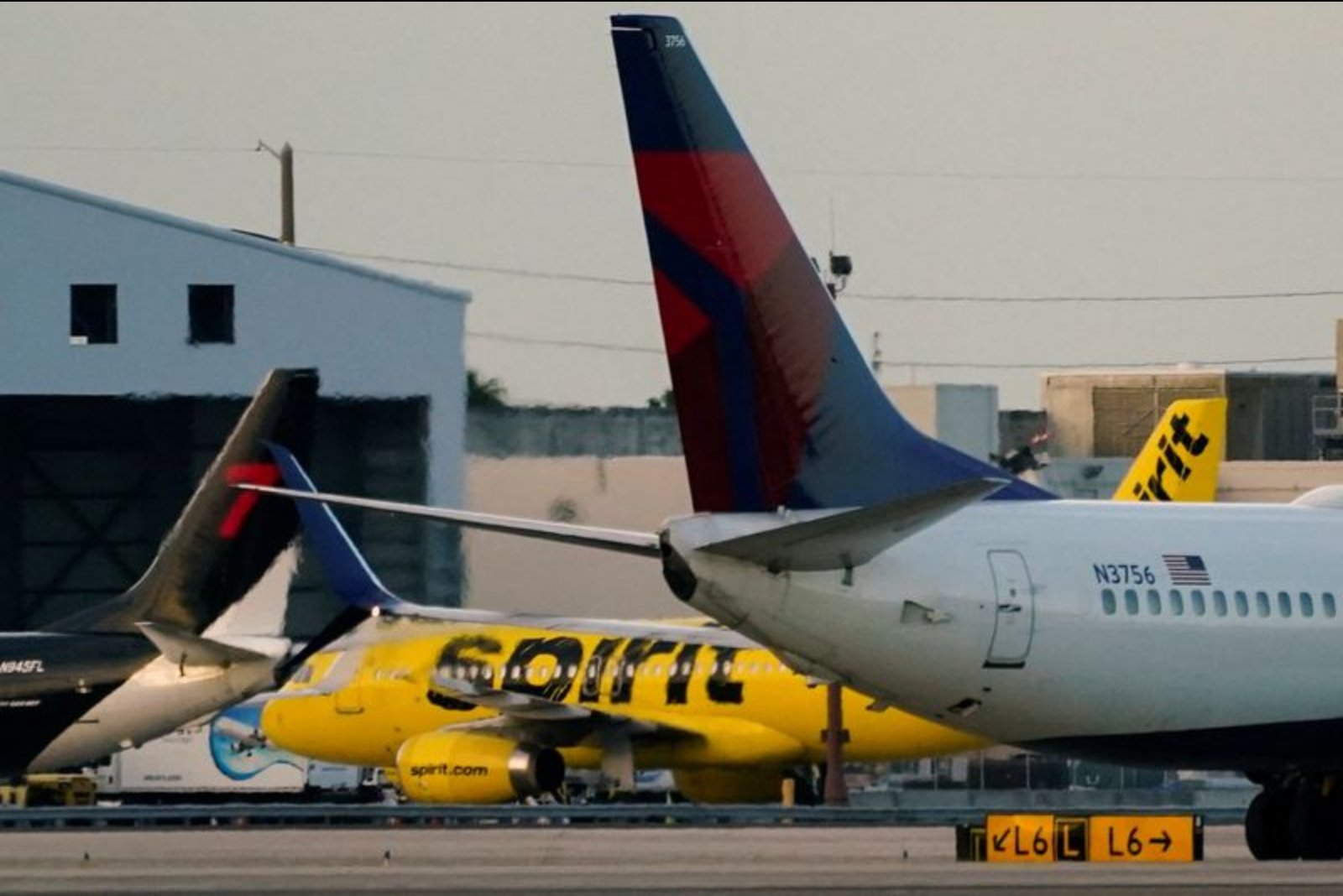
WHITE PLAINS, New York, May 5 - Counsel for Spirit Airlines told a U.S. Bankruptcy Court that a sharp escalation in jet fuel costs left the low-cost carrier with "no remaining way out" of bankruptcy and drove the decision to shut down operations. The carrier is seeking the court's approval for a fast-tracked plan to sell assets and to pay retention bonuses to staff who remain through the wind-down.
Marshall Huebner, representing the airline, told the court that Spirit learned on Thursday afternoon that a proposed government financing initiative would not move forward. He offered apologies to customers and to the American public on behalf of the airline. The administration had proposed a $500 million financing package last month intended to help Spirit exit bankruptcy, but the plan encountered objections from certain creditors.
Huebner said that after learning the government financing would not proceed, Spirit carried roughly 50,000 passengers on the following Friday while seeking to wind down operations prior to making the financing setback public. Global carriers have faced sharply higher jet fuel prices since the U.S.-Israeli strikes on Iran disrupted traffic through the Strait of Hormuz, creating a significant shock to the air travel sector.
The airline was not profitable before the fuel surge, and the counsel told the court that Spirit has incurred about $100 million in incremental fuel costs since March 1. He added that the carrier faces many hundreds of millions of dollars in additional high fuel costs for the remainder of the year, painting a picture of mounting expenses that undercut any path to recovery.
As part of its bankruptcy filings, Spirit is requesting authorization to pay $10.7 million in retention bonuses to employees who continue working as operations wind down. The company said the average award would be about $76,000 per participant. The carrier also indicated it will provide larger retention payments to its top three executives, but has not disclosed the amounts. The U.S. Trustee, the Justice Department's bankruptcy watchdog, has raised concerns about the proposed bonuses.
Spirit further told the court it lacks the funds to stage an organized auction of its aircraft, engines and other equipment. In response, the airline is seeking permission to sell assets quickly in expedited sales or, alternatively, to abandon assets and allow lenders to repossess them. That move would alter the usual orderly sale process and accelerate disposition of physical assets to satisfy creditor claims.
The company's filings and statements at the hearing indicate a rapid and constrained wind-down driven principally by fuel cost inflation and the failure of the proposed government financing. The combination left the carrier scrambling to manage passenger movements, preserve limited liquidity for immediate obligations, and seek court authority to prioritize rapid asset disposition and targeted retention pay for continuing employees.
Contextual note: The testimony laid out to the court centers on the interplay between sharply higher jet fuel prices, the collapse of a government financing initiative, and the consequent operational and financial steps Spirit took as it wound down service.