
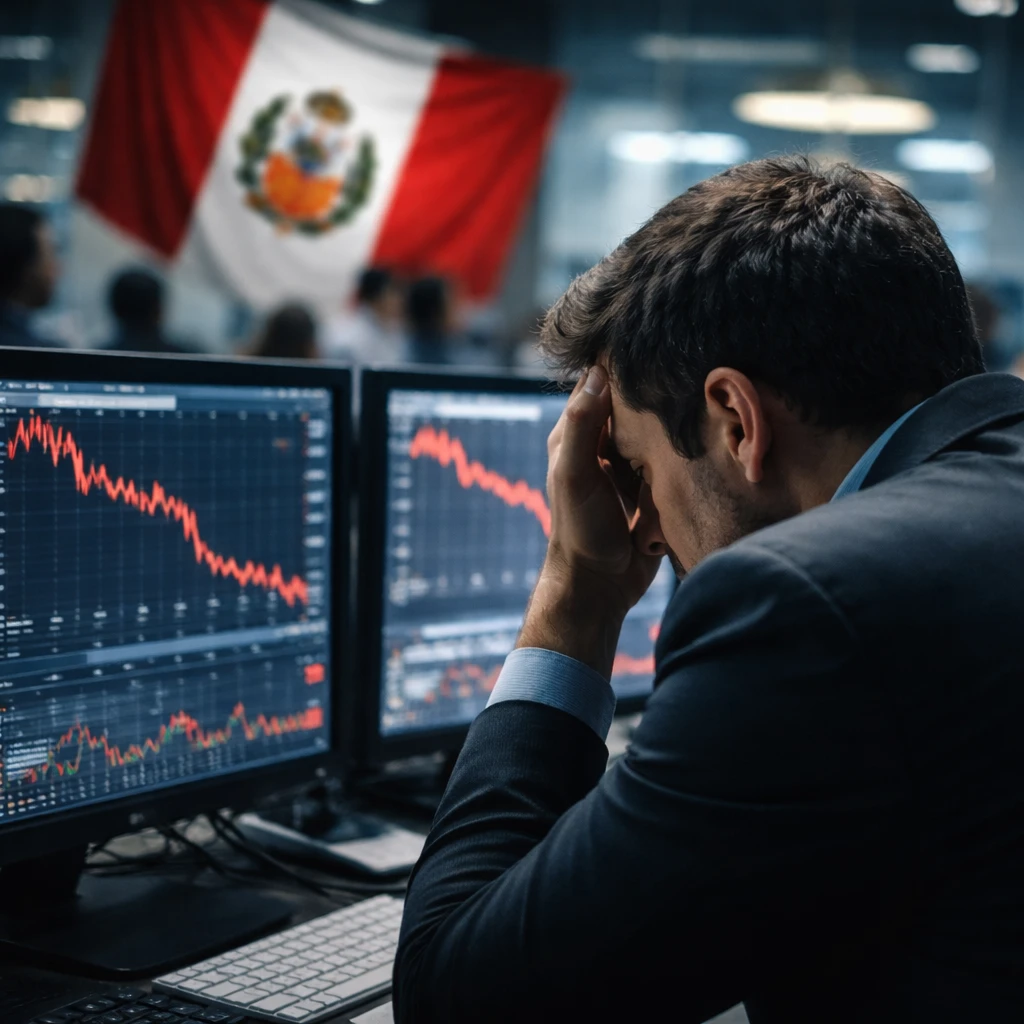
Peruvian markets moved lower after left-wing congressman Roberto Sanchez advanced in the ongoing presidential election count, prompting concern among investors. As Sanchez gained ground in a closely contested race, both the Peruvian sol and the country's main stock index depreciated.
The vote tabulation is still in progress, and current results make a June runoff appear likely. Market participants reacted to the evolving electoral picture with a pullback in local assets while awaiting a clearer outcome.
Sanchez has put forward proposals that include drafting a new constitution and expanding state control over the country's resources. Those policy positions have unsettled investors, who appear wary about the potential direction of economic management should those ideas move forward.
Observers noted that Sanchez's platform has revived apprehensions tied to Peru's prior encounters with anti-establishment politics. The candidate's policy agenda has therefore reawakened investor concerns about political and economic stability.
At the same time, analysts emphasised that a Congress dominated by conservative forces would likely constrain major policy shifts. That legislative composition could limit Sanchez's practical ability to enact significant changes even if he ultimately wins office.
In short, markets are responding to the immediate electoral developments by pricing in higher uncertainty. The combination of a tightened presidential contest, proposals for structural change, and the prospect of divided government has produced a cautious tone among investors.
Key developments
- Roberto Sanchez advanced in the ongoing presidential vote count, contributing to declines in the Peruvian sol and the national stock index.
- The election count continues and a runoff in June appears likely based on current results.
- Sanchez proposes a new constitution and greater state control over resources, which has heightened investor concern.
Implications for markets and sectors
- Financial markets broadly have shown increased volatility as investors adjust positions in response to political uncertainty.
- Resource-related sectors are notable areas of investor concern given Sanchez's call for greater state control over resources.
- Overall equity market sentiment in Peru weakened as the candidate's standing improved in the count.
Risks and uncertainties
- Ongoing vote count: The outcome remains unresolved while the electoral tally continues, leaving market direction uncertain.
- Policy proposals: Sanchez's platform for a new constitution and increased state control over resources has unsettled investors and could affect resource-linked sectors.
- Legislative constraint: The prospect of a conservative-dominated Congress introduces uncertainty about which policies could be implemented, potentially limiting policy shifts but also creating political friction.