
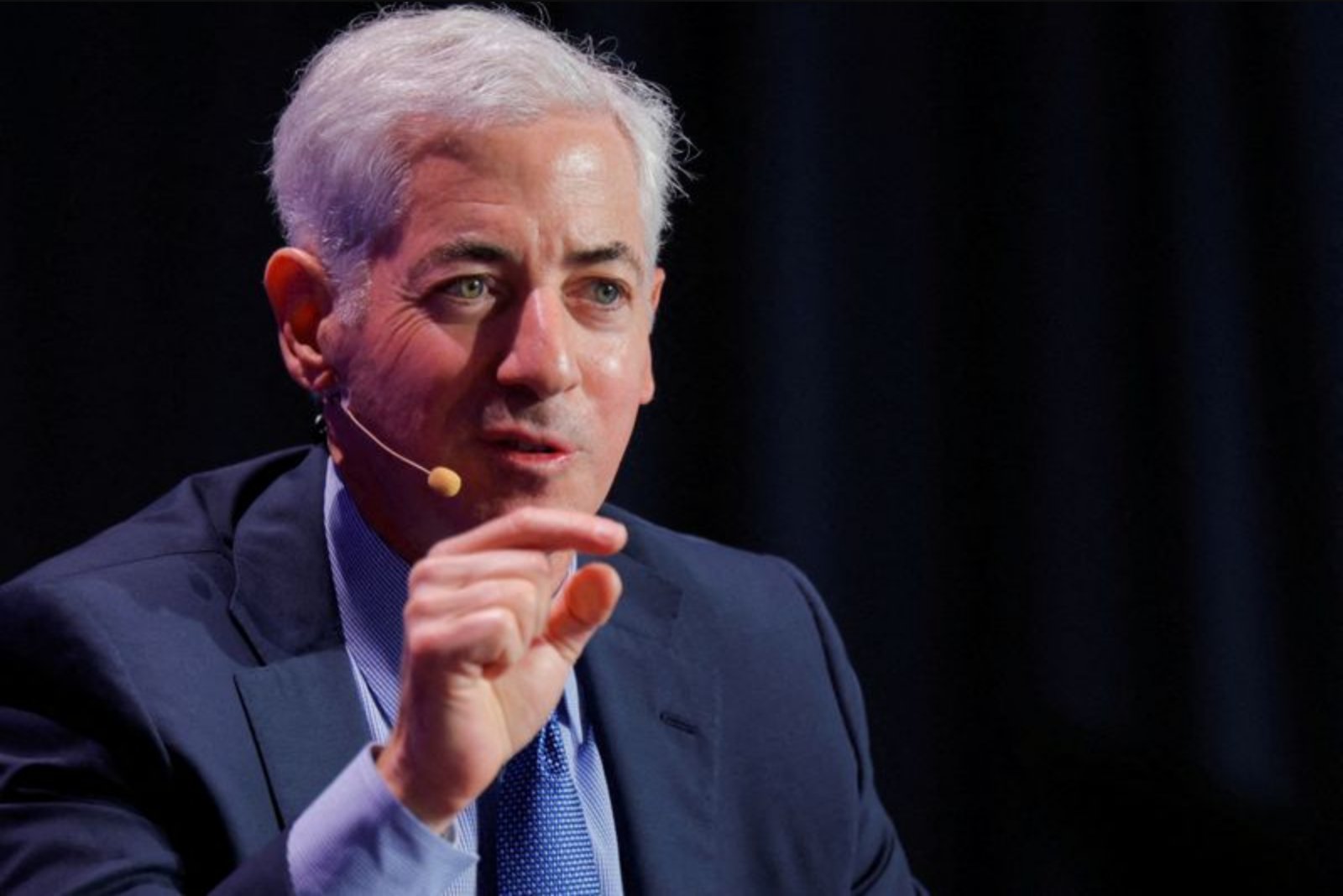
April 28 - Bill Ackman’s Pershing Square announced it has raised $5 billion for a new closed-end fund that forms part of a combined U.S. initial public offering for the alternative asset manager. The firm said the capital raise accompanies an IPO that will bring a flagship Pershing Square fund to a New York listing.
The newly created vehicle is Pershing Square’s first fund offered without performance fees and is being marketed to both U.S. institutional and retail investors. The offering represents a notable step in the firm’s efforts to establish a flagship, publicly traded product in New York.
Pershing Square had attempted to list the new fund, Pershing Square USA (PSUS), earlier in 2024 but withdrew that IPO days before its intended New York debut after demand came in lower than anticipated. The firm subsequently relaunched the offering as part of the combined IPO.
Pershing Square USA and Pershing Square are slated to begin trading on the New York Stock Exchange under the symbols "PSUS" and "PS," respectively, on Wednesday.
Sources of demand for the offering included family offices, pension funds, insurance companies, and high-net-worth investors, who lined up to participate roughly 22 years after Ackman founded his hedge fund, Pershing Square Capital Management, in New York.
Reports issued prior to the offering indicated the IPO was oversubscribed, with more than 85% of orders coming from institutional investors, underscoring the heavy institutional interest in the deal.
Context and implications
The launch of this closed-end fund without performance fees marks a structural change for Pershing Square’s product mix, and the dual listing of PSUS and PS on the NYSE will put both symbols into the public trading ecosystem simultaneously. The oversubscription and the concentration of institutional orders were prominent features of the order book as the offering moved forward.
What remains limited in the public account
The firm disclosed the total amount raised for the closed-end vehicle and the planned trading symbols, and reporting around order composition highlighted institutional dominance in demand. Additional details beyond those public statements and the historical note about the previously withdrawn 2024 attempt were not disclosed in the announcements accompanying the offering.