
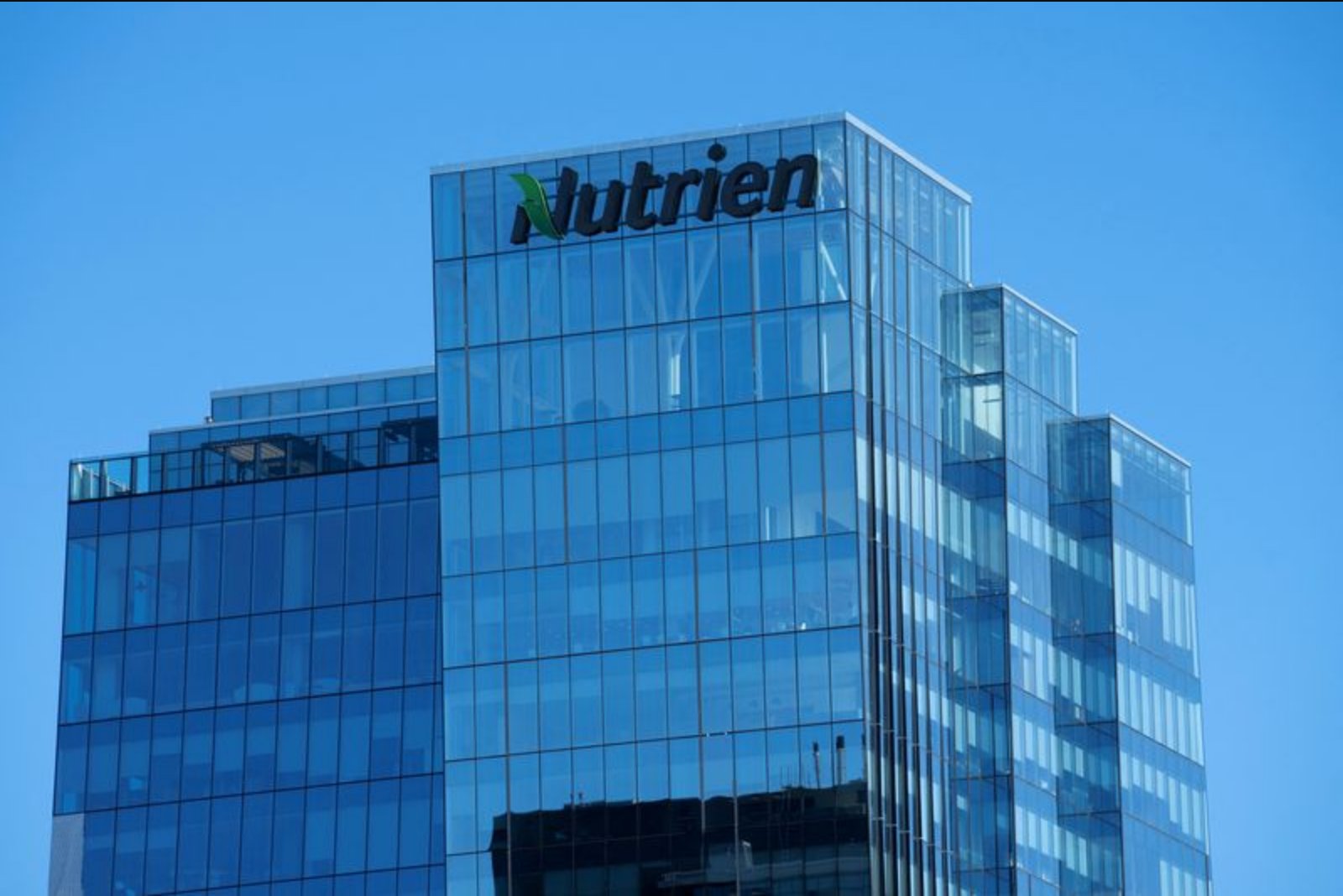
Nutrien, the Saskatoon, Canada-based fertilizer producer, recorded a rise in first-quarter profit as its nitrogen and phosphate businesses produced stronger sales and benefited from higher market prices. For the three months ended March 31, the company reported net income of $139 million, or 27 cents per share, up from $19 million, or 2 cents per share, in the same period a year earlier.
Fertilizer prices climbed during the quarter, with nitrogen costs increasing sharply as global supplies tightened due to the Middle East conflict. Phosphate prices were broadly higher and potash prices held relatively firm. Those price movements supported margins for producers including Nutrien during the period.
Segment results underline the shift in revenue mix. Nutrien's nitrogen segment generated first-quarter net sales of $1.01 billion, compared with $885 million a year earlier. The phosphates segment saw net sales rise 35% to $485 million. The company identified these segments as drivers of the quarterly improvement in profitability.
Although Nutrien is known as a leading potash producer, the company’s recent quarterly performance was influenced most clearly by higher-priced nitrogen and phosphate products. The combination of tighter nitrogen supply dynamics and elevated phosphate pricing helped to offset a market in which potash remained relatively stable rather than escalating.
This result reflects how shifts in input and commodity pricing can quickly alter margin profiles for integrated fertilizer producers. Higher selling prices in key segments translated into improved unit economics for the quarter, lifting overall net income year over year.
Investors and market participants watching agricultural input markets will note the interplay between regional supply constraints and commodity price movements and how those factors flow through to producer revenues and margins. Nutrien’s quarterly figures provide a snapshot of those dynamics at work over the three-month period ended March 31.
What to watch next
- Whether nitrogen supply conditions and phosphate price trends persist into subsequent quarters, and how that will affect segment revenues.
- Any changes in potash market conditions that could influence the company’s overall margin mix, given potash’s relatively firm posture during the reported quarter.