
Stock Markets April 22, 2026 08:15 PM

Musk Says Terafab Will Use Intel’s 14A Process as Venture Prepares to Scale

Elon Musk flags Intel 14A as the planned node for Terafab chips while details and timing remain uncertain

By Nina Shah TSLA INTC TSM
Musk Says Terafab Will Use Intel’s 14A Process as Venture Prepares to Scale
TSLA INTC TSM

Tesla CEO Elon Musk confirmed that Terafab, the joint venture between SpaceX, Tesla and xAI, intends to build semiconductors using Intel's 14A manufacturing process. Musk told analysts the 14A node is "not yet totally complete" but should be "probably fairly mature or ready for prime time" by the time Terafab scales up. Intel shares rose in after-hours trading following the comments. Key aspects of Intel's role and a timetable for readiness remain unspecified.

Key Points

  • Terafab will use Intel's 14A chipmaking process to produce semiconductors for AI workloads - impacts the semiconductor and AI hardware sectors.
  • Elon Musk said 14A is "not yet totally complete" but should be "probably fairly mature or ready for prime time" by Terafab's scale-up - impacts production timing and technology readiness assessments.
  • Intel confirmed involvement earlier in April and saw its shares rise 2.5% in after-hours trading after Musk's comments - impacts capital markets and investor sentiment toward chipmakers.

Elon Musk said on Wednesday that Terafab, the semiconductor joint venture he unveiled this year with SpaceX, Tesla and xAI, plans to rely on Intel's 14A manufacturing process to produce chips. The remark came during Tesla's post-earnings analyst call, where Musk addressed a question about technology choices for the new facility.

Musk described Intel's 14A node as "not yet totally complete," adding that it will likely be "probably fairly mature or ready for prime time" by the time Terafab "scales up." He did not attach a specific timeline to that projection, leaving the schedule for production ramp and commercial availability undefined.

Investors responded to the update: Intel Corporation (NASDAQ:INTC) shares rose 2.5% in after-hours trading. The company had earlier signaled participation in Terafab when it said in April that it would join the venture to provide chipmaking technology, although the scope and mechanics of Intel's involvement were not disclosed.

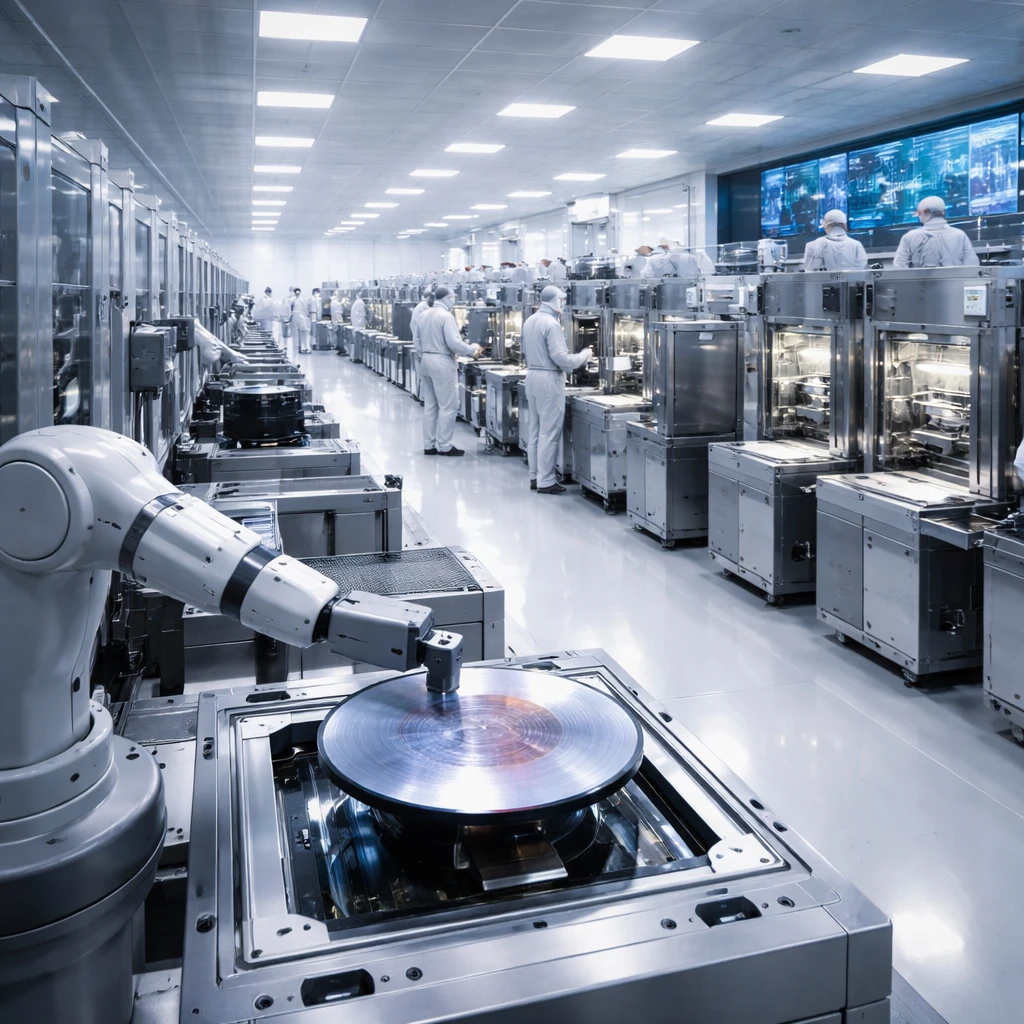
Terafab was announced as a fully integrated semiconductor manufacturing operation intended to produce chips tailored for artificial intelligence workloads. Musk has set an ambitious target for the project - to deliver 1 terawatt per year of compute capacity - a figure he noted is well beyond current global chipmaking capacity, including that of the world's largest contract manufacturer, Taiwan Semiconductor Manufacturing Co (NYSE:TSM).

Intel's 14A process is positioned by the company as a technology aimed at competing with TSMC's offerings, but Intel has not released additional technical details in public commentary referenced during the call. That leaves industry observers and participants without fuller clarity on performance characteristics or deployment timing for the 14A node.


While the comments provide a clear design preference for Terafab's fabrication process, several material elements are still open: the readiness of the 14A node, a firm timetable for scaling the facility, and the exact nature of Intel's support. All of these factors will affect how and when Terafab contributes to AI-focused chip supply in the United States.

Risks

  • Technology readiness risk: Intel's 14A process is "not yet totally complete," creating uncertainty for Terafab's manufacturing plans - affects semiconductor supply chain and AI hardware sectors.
  • Timing uncertainty: Musk provided no specific timeline for when 14A will be mature or when Terafab will scale up, leaving production scheduling and capacity forecasts unclear - affects markets dependent on new AI compute capacity.
  • Ambiguity in partner role: Intel said in April it will join the venture to provide chipmaking technology, but the details of its involvement remain unclear, introducing execution and coordination risk for the project - affects strategic partnerships and capital allocation decisions in the semiconductor industry.

More from Stock Markets

Australian Shares Slip as Healthcare, Financials and Gold Weigh on Index Apr 29, 2026 Fuchs posts Q1 results above forecasts, raises sales outlook for 2026 Apr 29, 2026 Huhtamaki Tops Q1 Expectations but Flags Rising Polymer Costs as Margin Risk Apr 29, 2026 Kambi Holds FY26 EBITA Target Despite €4m Colombia Tax Hit Apr 29, 2026 Pernod Ricard Calls Off Merger Negotiations With Brown-Forman Apr 29, 2026