
Stock Markets April 21, 2026 02:17 PM

Meta to Deploy Desktop Monitoring Tool to Gather Employee Interaction Data for AI Training

New internal program will log mouse and keyboard activity, capture occasional screen snapshots to help models learn routine workplace tasks

By Jordan Park META
Meta to Deploy Desktop Monitoring Tool to Gather Employee Interaction Data for AI Training
META

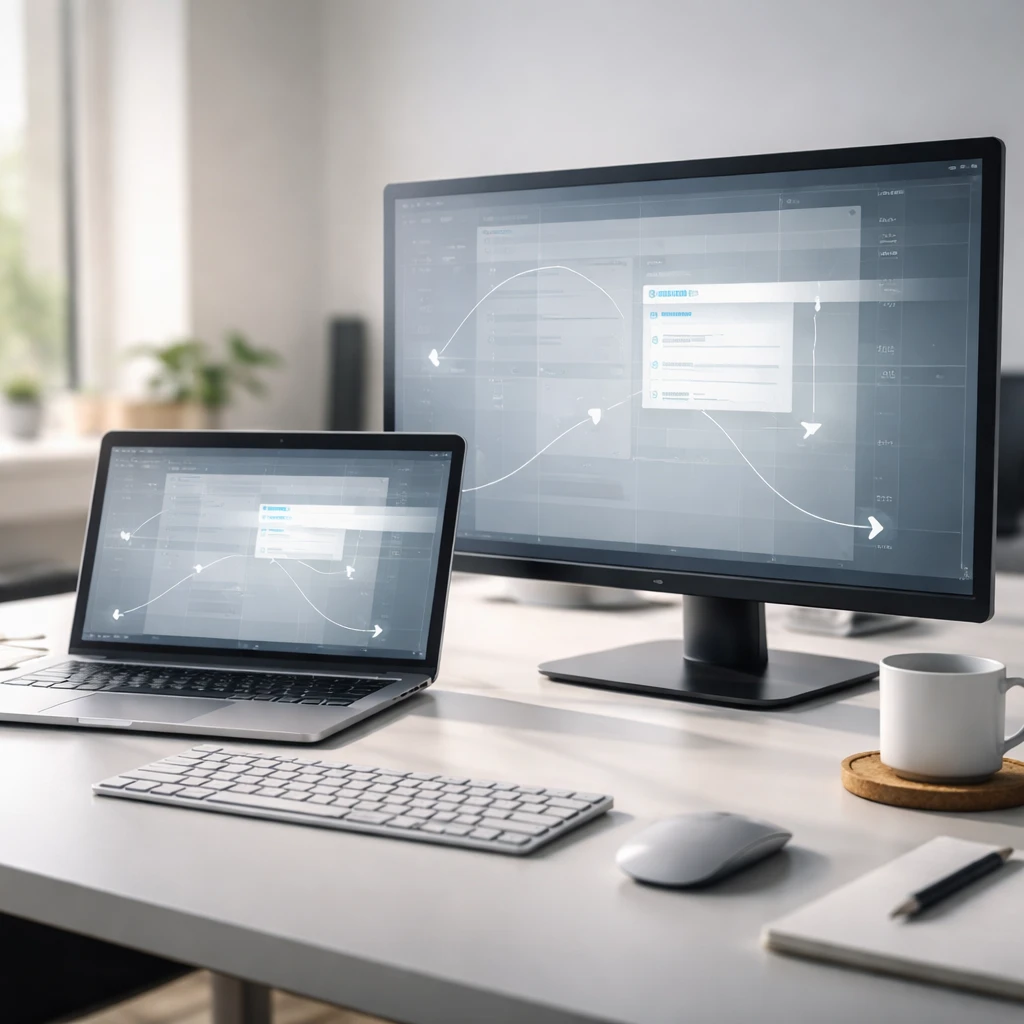
Meta is rolling out software that records U.S.-based employees' mouse movements, clicks and keystrokes to create training data for artificial intelligence models. The Model Capability Initiative will monitor specified work-related apps and websites and take intermittent screenshots, with the company saying the material will be used to teach models to carry out routine computer-based tasks where current systems struggle.

Key Points

  • Meta will install software on U.S.-based employees' computers to record mouse movements, clicks and keystrokes under a program called the Model Capability Initiative (MCI).
  • MCI will monitor a specified set of work-related applications and websites and take occasional screenshots of screen content to gather examples of human-computer interactions.
  • Meta says the collected interaction data will be used to train AI models to autonomously perform workplace tasks where models currently struggle, such as using dropdown menus and keyboard shortcuts; the rollout follows a separate memo from CTO Andrew Bosworth increasing internal data collection for AI for Work (AI4W).

Meta Platforms is installing monitoring software on the computers of employees based in the United States to collect detailed interaction data for AI training, according to internal memos seen by Reuters. The deployment is intended to capture mouse movements, clicks and keystrokes as part of a program the company calls the Model Capability Initiative, or MCI.

The memos outline that MCI will track activity across a predetermined list of work-related applications and websites and will occasionally capture snapshots of on-screen content. A memo posted on Tuesday by a staff AI research scientist in a channel for the company’s Meta SuperIntelligence Labs team described the scope of the capture and the mechanics of the monitoring.

Meta has said the recorded interactions will be used to train AI systems to perform work tasks autonomously. The company identified certain areas where current models have difficulty imitating how people operate computers - examples cited include choosing items from dropdown menus and using keyboard shortcuts - and framed the initiative as a step toward improving model performance on those specific interaction types.

"This is where all Meta employees can help our models get better simply by doing their daily work," the memo said.

The internal announcement follows a separate memo on Monday from Meta’s chief technology officer, Andrew Bosworth, in which he informed staff that the company would expand internal data collection as part of its AI for Work, or AI4W, efforts. Together, the communications indicate a coordinated push inside Meta to gather more behavioral data from employees to inform model training.

The documentation cited in the memos describes the technical intent of the program and the types of interactions to be recorded. It identifies MCI as focused specifically on capturing the kinds of human-computer behaviors that challenge current AI systems, and it points to using everyday employee workflows to create training examples.

This reporting is based on internal memos referenced in the company communications and on the descriptions included in those memos. The memos themselves provide the principal details about the program name, the kinds of data to be captured, the targeted user base of U.S.-based employees, and the stated training objectives.


Sectors mentioned or impacted: Technology, enterprise software, artificial intelligence.

Risks

  • Uncertainty about the full scope of captured content - the memos describe occasional screen snapshots and monitored apps but do not fully outline limits on what will be recorded.
  • Potential for employee concerns or feedback - while the memos frame the program as improving models through daily work, the reaction of staff to expanded internal data collection is not detailed in the memos.
  • Ambiguity around how the collected data will be managed - the memos state training objectives but do not specify retention, access controls or broader governance for the interaction data.

More from Stock Markets

Australian Shares Slip as Healthcare, Financials and Gold Weigh on Index Apr 29, 2026 Fuchs posts Q1 results above forecasts, raises sales outlook for 2026 Apr 29, 2026 Huhtamaki Tops Q1 Expectations but Flags Rising Polymer Costs as Margin Risk Apr 29, 2026 Kambi Holds FY26 EBITA Target Despite €4m Colombia Tax Hit Apr 29, 2026 Pernod Ricard Calls Off Merger Negotiations With Brown-Forman Apr 29, 2026