
Mercedes-Benz plans to use this year’s Beijing auto show to articulate its approach to a highly contested Chinese auto market, where the company’s chief executive has acknowledged mounting pressure but rejected lowering prices as a strategic response.
Ola Kaellenius told reporters on the eve of the show that he does not expect the intensity of competition to fade - "I wouldn’t count on the intensity of competition suddenly disappearing - and that’s not our plan." He said Mercedes will rely on product and development strategies rather than engaging in price cutting to defend its position.
Facing aggressive competition from lower-cost, fast-moving domestic brands, Mercedes and other established foreign manufacturers are attempting to shore up their appeal in the world’s largest auto market as overall sales soften. The company reported a 27% decline in sales in the region in the first quarter.
To counter the pressure and recalibrate its China presence, Mercedes intends to deepen its local footprint in supplier relationships and development capabilities and to press forward with new product introductions. The automaker has announced plans to refresh its China lineup with seven new models slated by 2027 and to deploy advanced driver assistance systems co-developed with the Chinese technology firm Momenta.
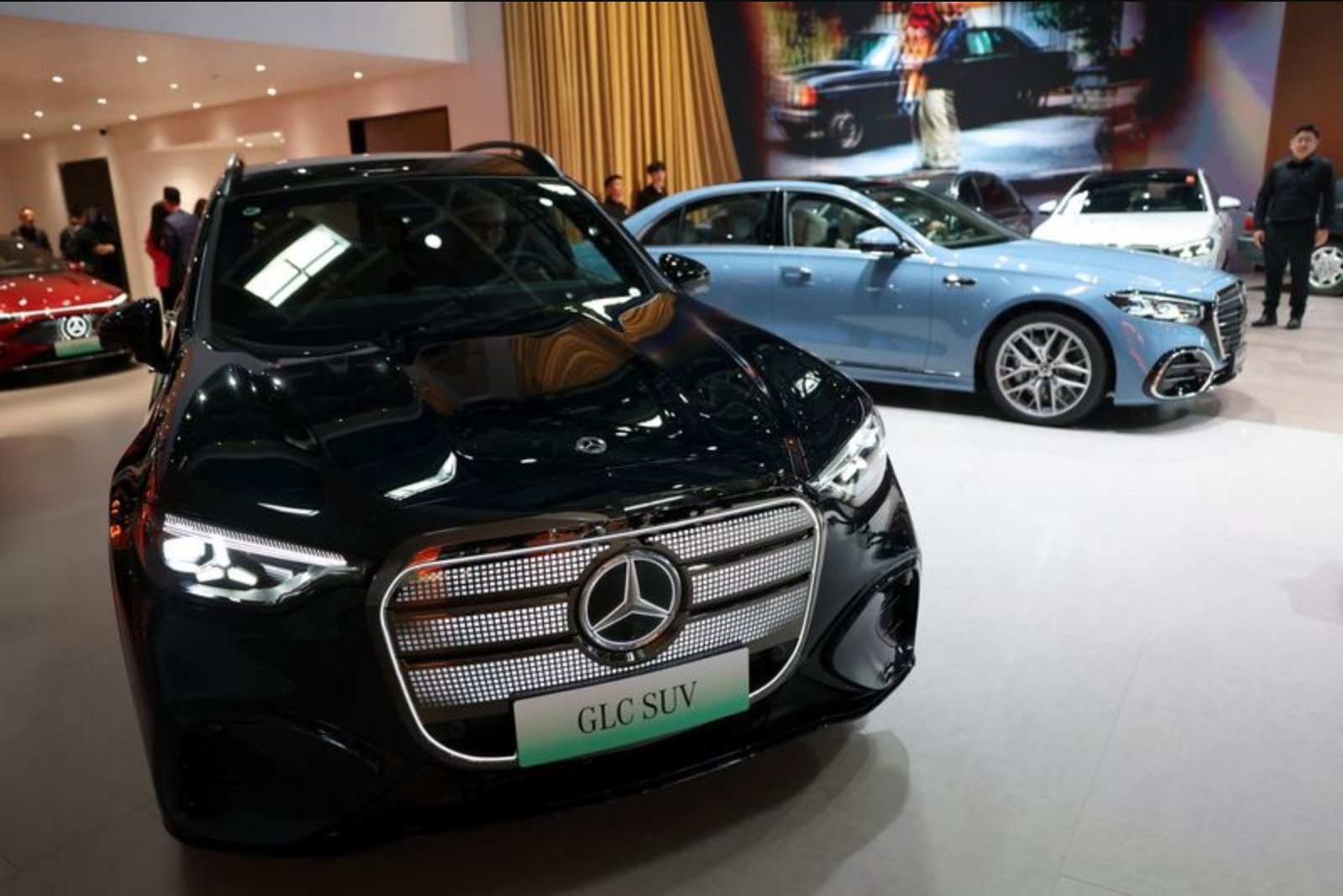
At the Beijing show, Mercedes will unveil a new electric version of its GLC SUV, including two configurations that will be exclusive to the Chinese market. The move signals a targeted product strategy that leans on market-specific offerings rather than broad-based price competition.
Asked whether Mercedes’ heritage still carries weight in a market increasingly driven by technology, Kaellenius said, "It would be completely wrong to believe that pedigree does not matter. It does matter." At the same time, he noted shifting consumer behavior among younger Chinese buyers, who are more inclined to shop across a wider set of brands, describing the environment as, "It’s a complete roller coaster market."
Mercedes’ stance includes a willingness to cede some volume in lower-priced segments if pursuing those sales would be less commercially sensible. Kaellenius said the company "could live without certain sales volumes in lower segments if that makes 'less economic sense'."
The presentation at the Beijing auto show will therefore combine product reveals, an emphasis on localized development and supplier ties, and the rollout of technology co-developed with local partners as Mercedes seeks to maintain relevance in a rapidly evolving and highly competitive Chinese market.