
Stock Markets March 19, 2026 05:17 AM

Gulf States Ask UN Human Rights Council for Emergency Debate Over Iranian Strikes

Diplomatic note calls missile and drone attacks on Gulf civilian and energy targets a 'situation of serious concern' for international peace and security

By Hana Yamamoto

Gulf states have formally requested an urgent debate at the United Nations Human Rights Council in Geneva, citing ballistic missile and drone strikes by Iran on civilian and energy infrastructure across multiple Gulf countries. The diplomatic submission labels the attacks a major threat to international peace and security and seeks immediate action, including condemnation, a halt to strikes on civilian targets and reparations for damage.

Gulf States Ask UN Human Rights Council for Emergency Debate Over Iranian Strikes

Key Points

  • Gulf states have asked the UN Human Rights Council in Geneva for an urgent debate on ballistic missile and drone strikes targeting civilian and energy infrastructure in the Gulf region - sectors directly affecting energy markets and regional security.
  • A diplomatic note describes attacks on Bahrain, Jordan, Kuwait, Oman, Qatar, Saudi Arabia and the United Arab Emirates as a "situation of serious concern for international peace and security" with substantial human rights implications - impacting humanitarian and legal frameworks.
  • The Gulf states' draft resolution seeks immediate cessation of strikes on civilian infrastructure and commercial vessels in the Strait of Hormuz and requests reparations for civilian, infrastructure and environmental damage - matters that intersect with energy, shipping, and insurance sectors.

Gulf states have submitted a formal request for an urgent debate at the United Nations Human Rights Council in Geneva to address what they describe as widespread Iranian strikes against civilian and energy infrastructure across the Middle East.

The diplomatic note, circulated by the Gulf states and seen by Reuters, characterises the ballistic missile and drone attacks that have struck Bahrain, Jordan, Kuwait, Oman, Qatar, Saudi Arabia and the United Arab Emirates as a "situation of serious concern for international peace and security," and warns of significant human rights consequences.

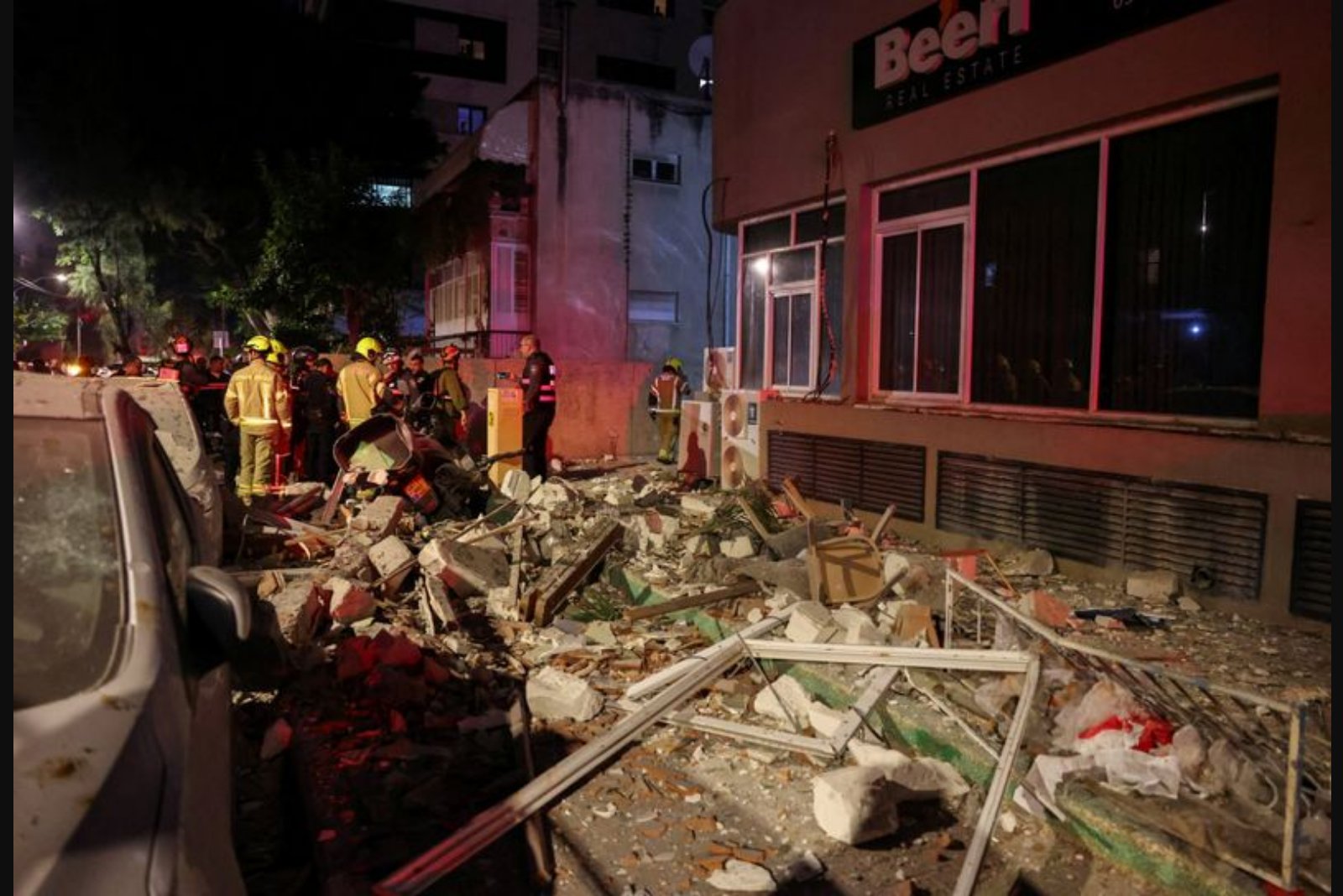
Those attacks have occurred amid an intensifying conflict involving the United States and Israel against Iran that has entered its third week. According to the diplomatic note, the escalation prompted large-scale Iranian retaliation in the form of drone and missile strikes aimed at energy and civilian infrastructure in Gulf countries.

The note also draws attention to Iran's closure of the Strait of Hormuz and a series of assaults on energy facilities across the region, developments the Gulf states say have already driven energy prices higher and raised concerns about a potential rise in inflation around the world.

Calling the incidents "unprovoked attacks," the document stresses that Gulf states had given assurances to Tehran that their territories would not be used to launch attacks against Iran. Despite those assurances, the Gulf states assert, they have been targeted and believe the situation requires prompt international scrutiny.

In addition to requesting an urgent debate, the Gulf states have circulated a draft resolution that condemns the strikes, calls on Iran to immediately cease attacks on civilian infrastructure and commercial vessels in the Strait of Hormuz, and seeks reparations to cover civilian, infrastructure and environmental damage caused by the assaults.

The United Nations Human Rights Council has received the request and is considering a date for the debate, according to a letter from the Council's president, Sidharto Reza Suryodipuro. The timing of any session has not been announced in the correspondence referenced in the diplomatic exchanges.

The submission from the Gulf states frames the matter as a dual concern: an immediate security threat from missile and drone strikes and a longer-term humanitarian and economic burden tied to damage to civilian infrastructure and energy facilities.


Contextual note: The details above reflect the content of the diplomatic note and the correspondence with the Human Rights Council as reported in the submission. Where the available material is limited, the article reflects those limits rather than expanding beyond the documented claims.

Risks

  • Escalation of attacks on energy infrastructure and closure of the Strait of Hormuz could further disrupt oil and gas markets and contribute to higher energy prices, with broader inflationary implications for the global economy.
  • Damage to civilian infrastructure raises humanitarian and reconstruction risks, increasing demands on public resources and potentially affecting utilities and transport sectors in the impacted countries.
  • Ongoing hostilities and retaliatory strikes may complicate international diplomatic responses, creating uncertainty around the timing and effectiveness of any Human Rights Council debate or consequent actions.

More from Stock Markets

Flutter restructures U.S. leadership at FanDuel as profit guidance is trimmed May 6, 2026 Snap posts revenue growth and user gains as subscriptions supplement ad income May 6, 2026 Chime records first quarterly profit as consumer spending holds up in Q1 May 6, 2026 JPMorgan Says It Sought to Settle Before Former Banker Filed Sexual Assault Suit May 6, 2026 DoorDash Lifts Q2 Gross Order Value Forecast, Cites Broad Demand and Market Expansion May 6, 2026