
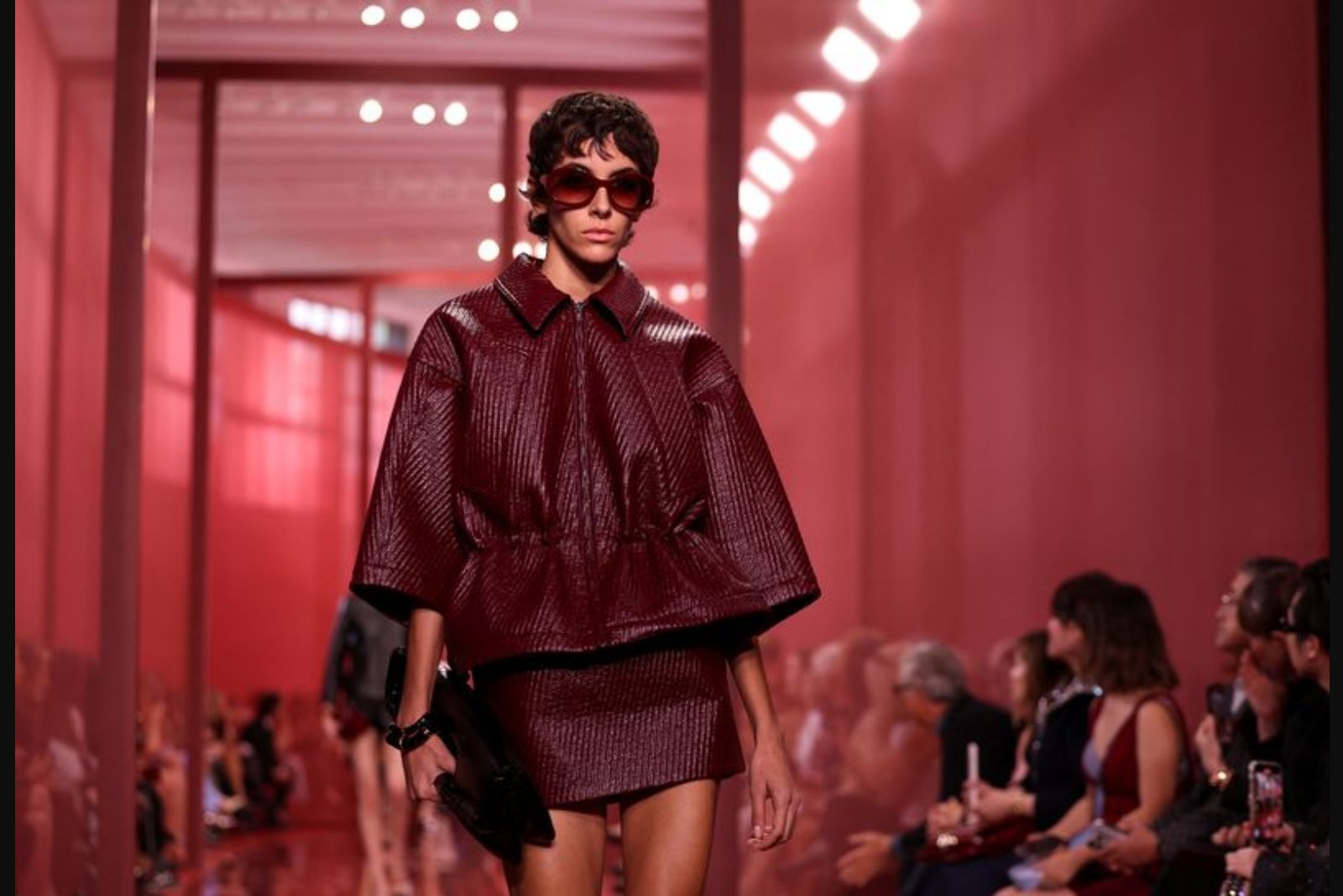
Gucci, the Italian flagship within the 33 billion euro fashion group Kering, reported an 8% decline in sales for the first quarter compared with the same period a year earlier. Revenue at the label from January through March came in at 1.35 billion euros, slightly under a Visible Alpha analyst consensus near 1.37 billion euros, and marking the brand's 11th consecutive quarter of falling sales.
The result arrives as Kering's chief executive prepares to present a strategic plan intended to turn around the group's performance, a task that investors and the controlling Pinault family view as critical. Market participants have pinned hopes on the incoming measures, although most analysts represented in market commentary expect Gucci to return to growth only by this coming autumn.
Kering shares have already reflected investor caution, trading about 8% lower so far this year. Management pointed to both macro pressures and evolving consumer behavior as reasons the recovery remains fragile.
Impact of Middle East conflict and demand shifts
Company finance chief Armelle Poulou said the Iran war reduced overall group growth by around 1%, with a similar impact at Gucci. The company noted that fewer wealthy Gulf shoppers were visiting regional malls or travelling to Europe to spend, a trend that larger industry peers also cited when discussing weaker luxury demand from that region.
At the group level, Kering reported flat sales year-on-year on a currency-adjusted basis. That performance beat an analyst expectation of a 5.8% decline and was supported by particularly strong sales in jewellery and eyewear, which helped offset some of the declines elsewhere in the portfolio, including at Gucci.
Product updates and regional trends
The first collections from Georgian designer Demna, who moved to Gucci from Balenciaga last year, have reached stores in recent months. Management hopes those designs will begin to contribute to sales recovery, though concrete upside has not yet been quantified.
Poulou said the brand saw some improvement in China, even if sales there remained negative, while trends in the United States improved significantly. No further geographic breakdowns or figures were provided by the finance chief.
Management moves and investor focus
Since assuming the leadership role last September, CEO Luca de Meo has taken several actions to stabilize Kering's finances, including asset disposals, strengthening an alliance with cosmetics group L'Oreal, and addressing what he and others described as an unwieldy governance structure. These steps are intended to shore up the balance sheet and create a platform for renewed growth.
Investors are now watching for tangible evidence that Gucci's revival is progressing. De Meo previously described a 10% sales drop in the prior quarter as a potential turning point in a fragile recovery; the latest results will be judged against that backdrop.
Exchange rate reference: $1 = 0.8472 euros.