
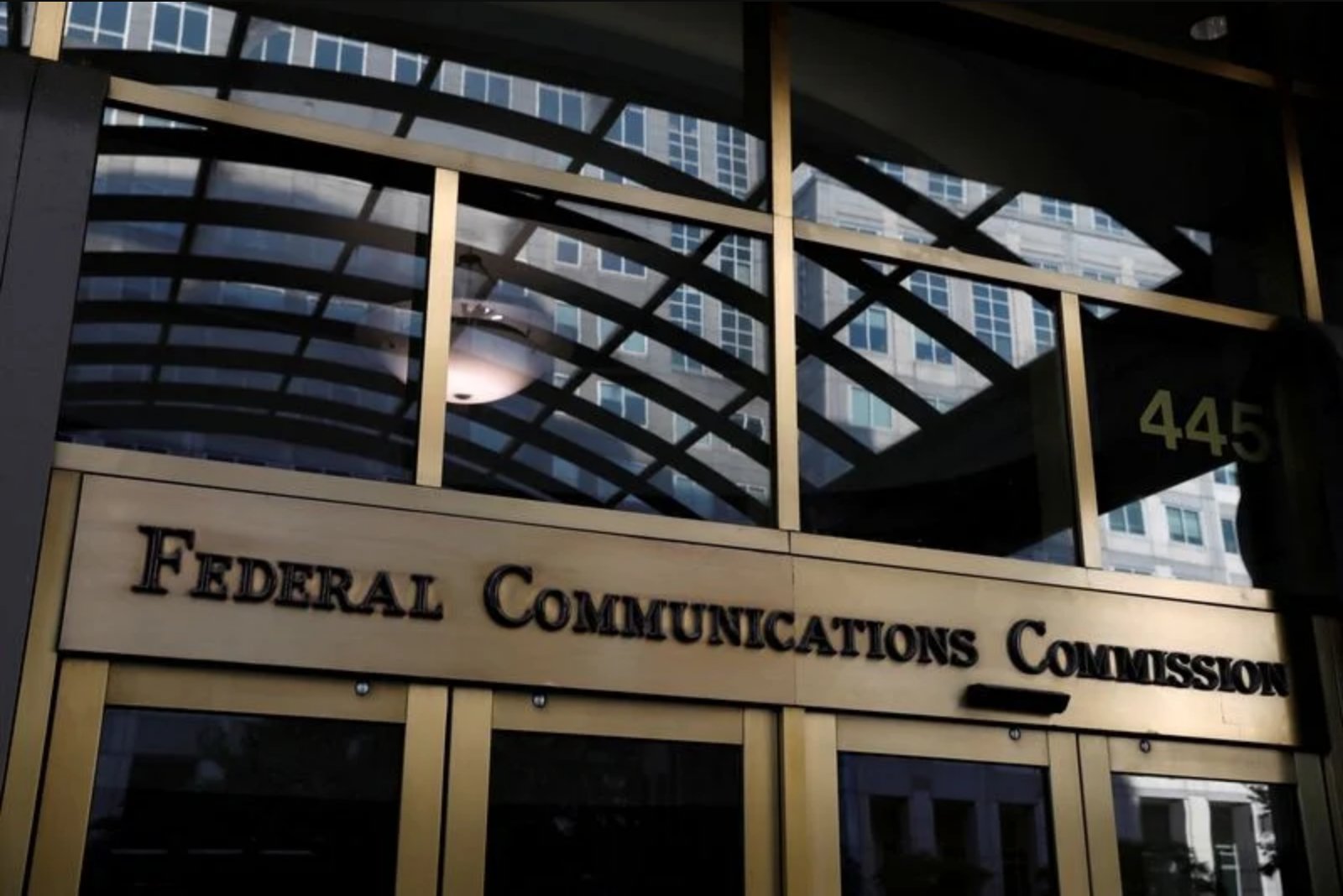
The Federal Communications Commission announced on Tuesday that it will permit imports of certain new models of toy drones manufactured in China, reversing part of a broader restriction it imposed in December.
In December, the FCC moved to prohibit the import of all new models of foreign-made drones and critical components, explicitly naming Chinese manufacturers including DJI and Autel as examples cited under that policy. At the time, the agency described those devices and components as posing "unacceptable risks" to U.S. national security.
Since then, the FCC has taken a more selective approach, allowing the import of some new drone models. The latest decision follows a Pentagon determination that specific consumer-grade devices do not meet the threshold of national security concern. The Pentagon characterized these items as "unsophisticated, low-risk toys," noting that they lack the "organic capabilities and features in range, endurance, sensing, payload, connectivity, and data collection and storage" that are present in conventional drones used in more advanced applications.
The FCC's action narrows the scope of its earlier blanket prohibition by distinguishing between higher-capability unmanned aircraft systems and simpler consumer toys. The agency indicated that the Pentagon assessment was central to this reassessment, effectively allowing imports of models that the Pentagon judged to be lacking in capabilities that could pose intelligence, surveillance, or other national security risks.
Regulatory documents and the FCC statement emphasize that the decision applies to particular new models judged to be low-risk, rather than to all foreign-made drones or components. The December restriction remains the underlying policy framework from which these exceptions are being carved out, and the agency has previously moved to permit specific models following case-by-case review.
This development affects how regulators balance trade and security considerations in the drone sector, particularly for consumer electronics and retailers that sell toy-grade unmanned aircraft. It also highlights the role of interagency assessments - in this case the Pentagon's judgment - in shaping import policy for connected devices and components.
Note: The scope of the FCC's allowance is limited to models characterized by Pentagon reviewers as lacking the advanced capabilities associated with traditional drones.