
Politics June 16, 2026 11:42 AM

U.S. Justice Department Moves to Dismiss NAACP Clean Air Act Case Against xAI

Federal government asks Mississippi court to allow intervention and end civil suit over gas-turbine emissions at AI data centers

By Ajmal Hussain
Share
Twitter Reddit Facebook LinkedIn

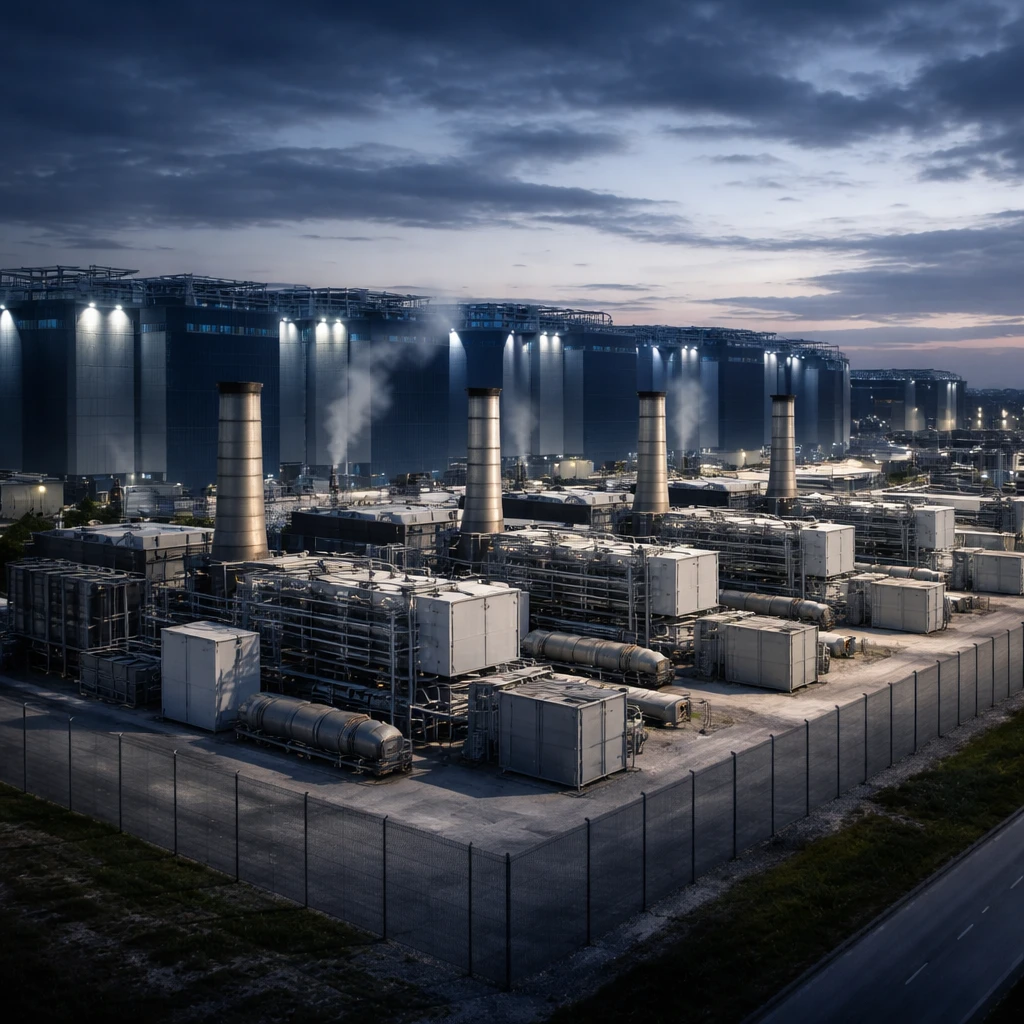
The Department of Justice has filed to intervene in a Mississippi lawsuit brought by the NAACP against Elon Musk's AI firm xAI and its subsidiary MZX Tech, seeking dismissal of a Clean Air Act case that challenges emissions and permitting tied to gas-powered turbines used to run xAI data centers. The filing, submitted under the direction of Justice Department official Stanley Woodward, argues the federal government has broad enforcement authority under the Clean Air Act and that the NAACP's requested penalties and injunctions could threaten national security and economic interests; it also notes Mississippi regulators have declined to pursue enforcement.

U.S. Justice Department Moves to Dismiss NAACP Clean Air Act Case Against xAI
Summarize with
ChatGPT Perplexity Claude Grok Gemini

Key Points

  • The Department of Justice asked a federal judge in Mississippi for permission to intervene and dismiss the NAACP's Clean Air Act lawsuit against xAI and MZX Tech.
  • The NAACP alleges permitting and emissions violations related to gas-powered turbines that power xAI's AI data centers and seeks an order to stop turbine operations.
  • The filing argues the Clean Air Act gives the federal government broad enforcement authority, including power to terminate citizen suits seeking penalties on the government's behalf; it also notes Mississippi regulators declined to pursue enforcement.

The Trump administration has asked a federal judge to toss a civil suit the NAACP filed in April against xAI and its subsidiary MZX Tech, arguing the federal government should be permitted to intervene and end the litigation.

According to a court filing submitted on Monday, the Department of Justice requested leave to intervene in the Mississippi case and sought dismissal of the NAACP's Clean Air Act claims. The civil rights group accuses xAI of permitting and emissions violations connected to gas-powered turbines that supply electricity to the company's AI data centers.

The NAACP has asked the court for relief that would bar xAI from operating the turbines that power its data centers. In response, the Justice Department's filing asserts that the Clean Air Act vests the federal government with significant enforcement powers, including authority to terminate citizen suits that pursue penalties on the government's behalf.

The document was filed under the direction of Justice Department appointee Stanley Woodward. It also states that Mississippi state regulators have opted not to bring enforcement actions against xAI.

In its submission, the administration told the court that the remedies the NAACP seeks - civil monetary penalties and an injunction halting turbine operations - would carry risks to national security and to economic interests. The filing asks the judge to allow the United States to step into the case and to dismiss the private Clean Air Act action.

The filing frames the government's role under the Clean Air Act as encompassing broad discretion to manage enforcement priorities and to shield federal interests in matters where private suits seek penalties on the government's behalf. Beyond reiterating the NAACP's claims about permitting and emissions, the court filing emphasizes the absence of state enforcement and the administration's view on potential national security and economic consequences from the requested injunction.


Summary

The Justice Department has moved to intervene and dismiss a Clean Air Act lawsuit the NAACP filed in April against xAI and its subsidiary MZX Tech over emissions and permitting tied to gas-powered turbines at AI data centers. The filing, submitted on Monday under the direction of Stanley Woodward, says federal law grants the government authority to end citizen suits seeking penalties on its behalf and notes Mississippi regulators have not pursued enforcement. The administration also told the court that the NAACP's requested penalties and an injunction could pose national security and economic risks.

Risks

  • Legal uncertainty for AI infrastructure operators if federal courts accept or reject the government's bid to dismiss citizen suits - impacts energy and technology sectors.
  • Potential national security and economic implications cited by the administration if courts impose injunctions halting turbine operations - affects data center operators and related supply chains.
  • Limited state enforcement noted in the filing could leave regulatory outcomes dependent on federal decisions, increasing regulatory and compliance risk for companies running gas-powered backup or primary generation at data centers.

More from Politics

Nearly 40% of Americans Doubt the U.S. Will Last Another 250 Years, Poll Finds Jun 16, 2026 Georgia Republicans Head to Runoff to Choose Challenger for Jon Ossoff Jun 16, 2026 Georgia runoff, Oklahoma wage measure and D.C. mayoral fight highlight Tuesday primaries Jun 16, 2026 Trump’s Approval Modestly Rises to 36% as Price Pressures Ease Jun 15, 2026 Newsom Alleges Trump-Directed Justice Department Probe of Him and His Spouse Jun 15, 2026