
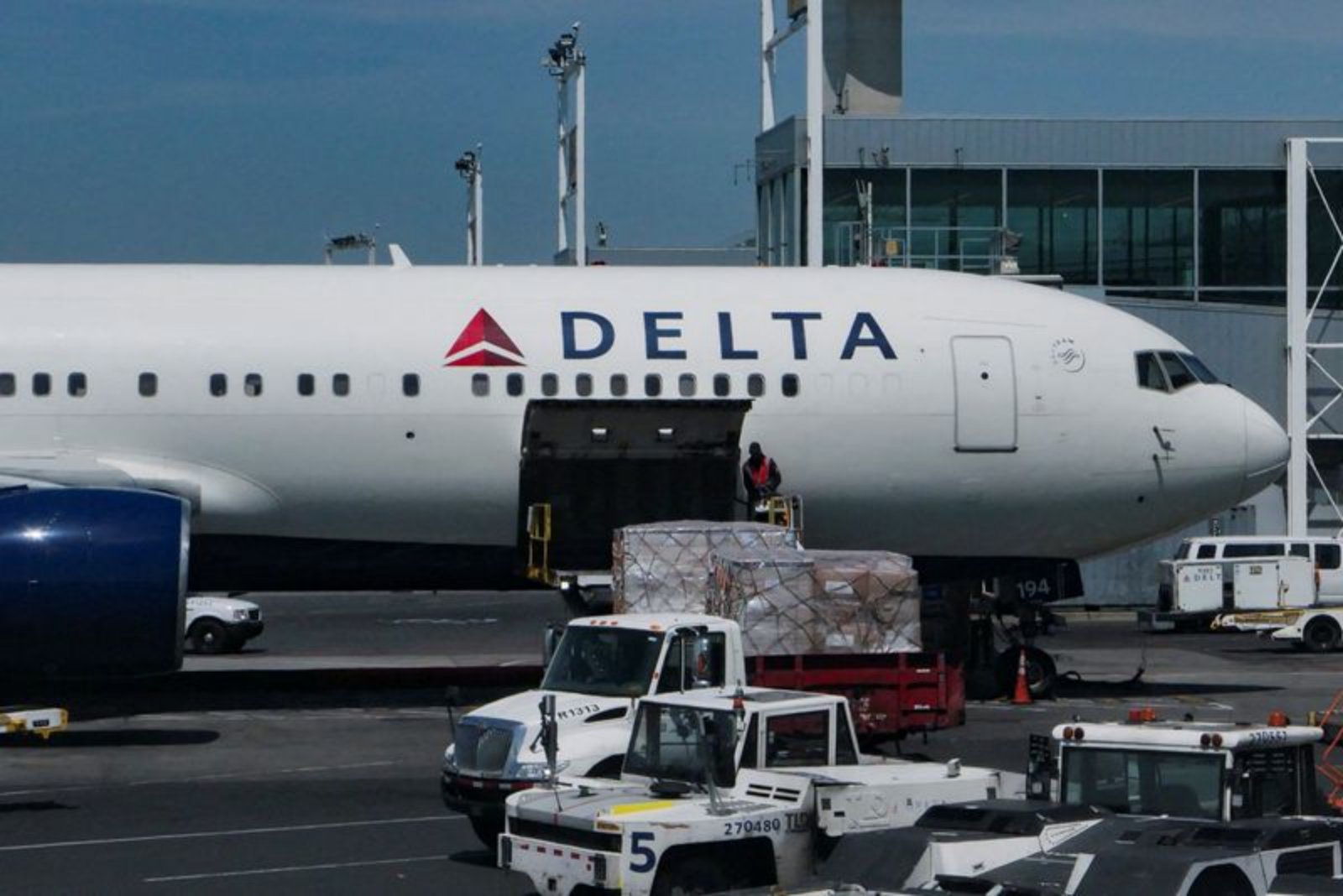
Delta Air Lines has removed two previously stated environmental commitments from its corporate sustainability page, according to reporting earlier this week. The Atlanta-based carrier deleted a specific pledge to use sustainable aviation fuel for 10% of its jet fuel by 2030 and reframed its aim to achieve net-zero emissions by 2050 as an "aspiration" rather than a formal "goal."
Sustainable aviation fuel, or SAF, is produced largely from waste sources such as used cooking oil and can reduce emissions substantially compared with standard jet fuel. Despite its emissions benefits, SAF currently carries a substantially higher cost, running about two to five times the price of conventional jet fuel, a factor cited in coverage of the changes on Delta’s sustainability pages.
In statements quoted in the reporting, a Delta spokesperson reiterated that the airline continues to view SAF as one of the most important levers for decarbonising air travel. The spokesperson also warned that the slow pace of SAF development poses a broader risk to the aviation industry’s climate ambitions.
Delta did not immediately respond to a request for comment that was submitted to the airline.
Industry officials have flagged related concerns. In February, Willie Walsh, director-general of the International Air Transport Association, said shortages of efficient new aircraft and of alternative fuels were contributing to higher profits for suppliers and jeopardising the sector’s headline emissions target. IATA’s membership, roughly 350 airlines, adopted the net-zero-by-2050 target in 2021 to address emissions that make up about 2% to 3% of the global total.
The plan to hit that target depends heavily on both the adoption of SAF and timely access to new, more efficient planes and engines. However, deliveries of aircraft and engines have been delayed by supply chain problems, and the slower-than-expected rollout of alternative fuels adds further uncertainty to the industry’s path to lower emissions.
What this means
- Delta has backtracked on a quantified 2030 SAF commitment and softened the language around its 2050 net-zero aim.
- SAF is recognized by the airline as critical to decarbonisation but remains significantly more expensive than traditional jet fuel.
- Supply constraints for new aircraft and slow fuel development are raising concerns about the feasibility of aviation sector emissions targets.