
Stock Markets May 4, 2026 03:46 PM

Chevron CEO Flags Ongoing Security Risks for Ships Transiting Strait of Hormuz

Mike Wirth cautions that maritime transit remains unsafe as U.S.-Iran exchanges intensify and oil supplies tighten

By Avery Klein CVX
Chevron CEO Flags Ongoing Security Risks for Ships Transiting Strait of Hormuz
CVX

Chevron Chief Executive Mike Wirth said he remains concerned about the safety of vessels moving through the Strait of Hormuz after recent U.S.-Iran confrontations and the U.S. decision to escort ships. He warned that drawdowns in stored crude are tightening supply buffers, which could increase price pressure and volatility even if U.S. fuel shortages are unlikely.

Key Points

  • Chevron CEO Mike Wirth said the company remains concerned about the security of ship transit through the Strait of Hormuz after recent U.S.-Iran exchanges of fire.
  • Wirth said Chevron and other major oil producers have reduced Middle East production since the conflict began at the end of February, contributing to an effective closure of the strait that affected about 1 billion barrels of global oil cargoes and pushed international crude prices up nearly 60% in roughly nine weeks.
  • Wirth warned that draws on stored barrels are tightening supply buffers, which could increase price pressure and volatility; he also said the U.S. is unlikely to face fuel shortages but consumers should expect higher prices, with greater outage risk outside the U.S.

Chevron Corp. Chief Executive Mike Wirth said he is worried about the security of ship movements through the Strait of Hormuz as tensions in the Persian Gulf have escalated.

Speaking at the Milken Institute Global Conference during a Bloomberg TV interview, Wirth said he has been in contact with the teams that manage Chevron's shipping assets in the region and that the company "remain[s] concerned about the security of transit." He added that "it seems like we still have some issues to work through."

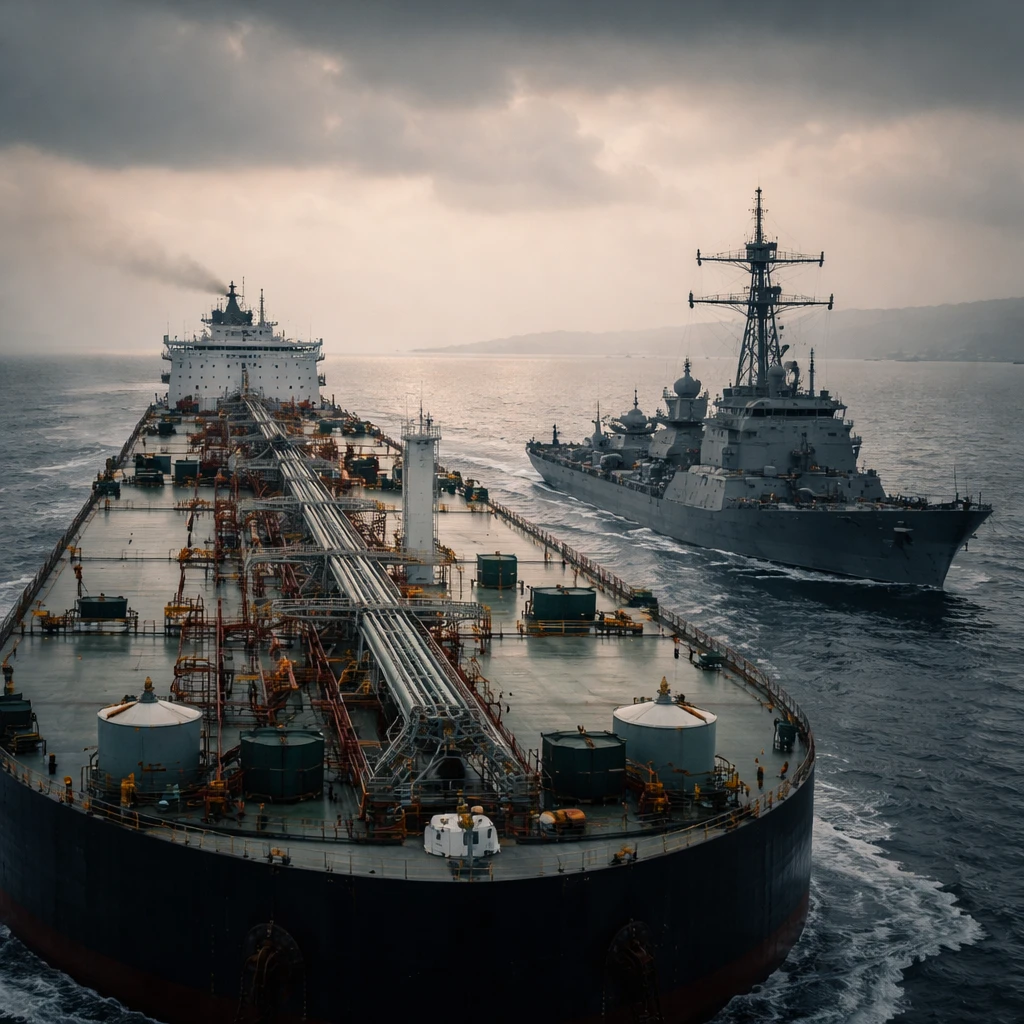
The comments come after U.S. and Iranian forces exchanged fire on Monday, a development that coincided with U.S. military escorts for vessels transiting the strait. That escalation followed U.S. President Donald Trump's move to reopen passage through Hormuz and posed a threat to a tentative ceasefire declared the prior month.


Wirth outlined how the conflict has already affected oil industry operations. He said Chevron and other major producers have curtailed Middle East output since hostilities began at the end of February. The disruption included a closure of the Strait of Hormuz that affected roughly 1 billion barrels of global oil cargoes and drove international crude prices up by almost 60% over about nine weeks.

Refiners, according to Wirth, have been drawing on inventories to meet demand. He warned that these inventories "may face eventual depletion," and that he has communicated to the Trump administration that the system's buffers "are being drawn down."

"It creates more upside price pressure, potentially more volatility and more risk," Wirth said, describing the market implications of shrinking supply cushions.

On domestic supply, Wirth noted that as the world's largest oil producer the U.S. is unlikely to experience fuel shortages. He cautioned, however, that consumers should expect higher prices at the pump and that the risk of outages is greater in other regions than within the United States.

The remarks underscore industry concern about maritime safety and supply resilience while highlighting how inventories and production decisions are interacting with geopolitical developments to influence markets.

Risks

  • Escalating military exchanges in the Persian Gulf could prolong unsafe conditions for shipping, affecting the oil transport sector and energy markets.
  • Continued drawdown of refinery and commercial inventories raises the prospect of tighter crude availability, increasing price volatility for oil and refined fuels.
  • Reduced Middle East production presents a risk of supply outages in regions outside the U.S., impacting global energy markets and refining margins.

More from Stock Markets

After-Hours Movers: Mixed Earnings Reactions Lift Some Names, Weigh on Others May 4, 2026 Bovespa Ends Lower as Real Estate, Financials and Materials Weigh on Market May 4, 2026 Toronto market slips as consumer, materials and industrial stocks weigh on S&P/TSX May 4, 2026 U.S. equities slip at Monday close as cyclical sectors weigh on market May 4, 2026 Blake Lively and Justin Baldoni Reach Settlement in 'It Ends With Us' Litigation May 4, 2026