
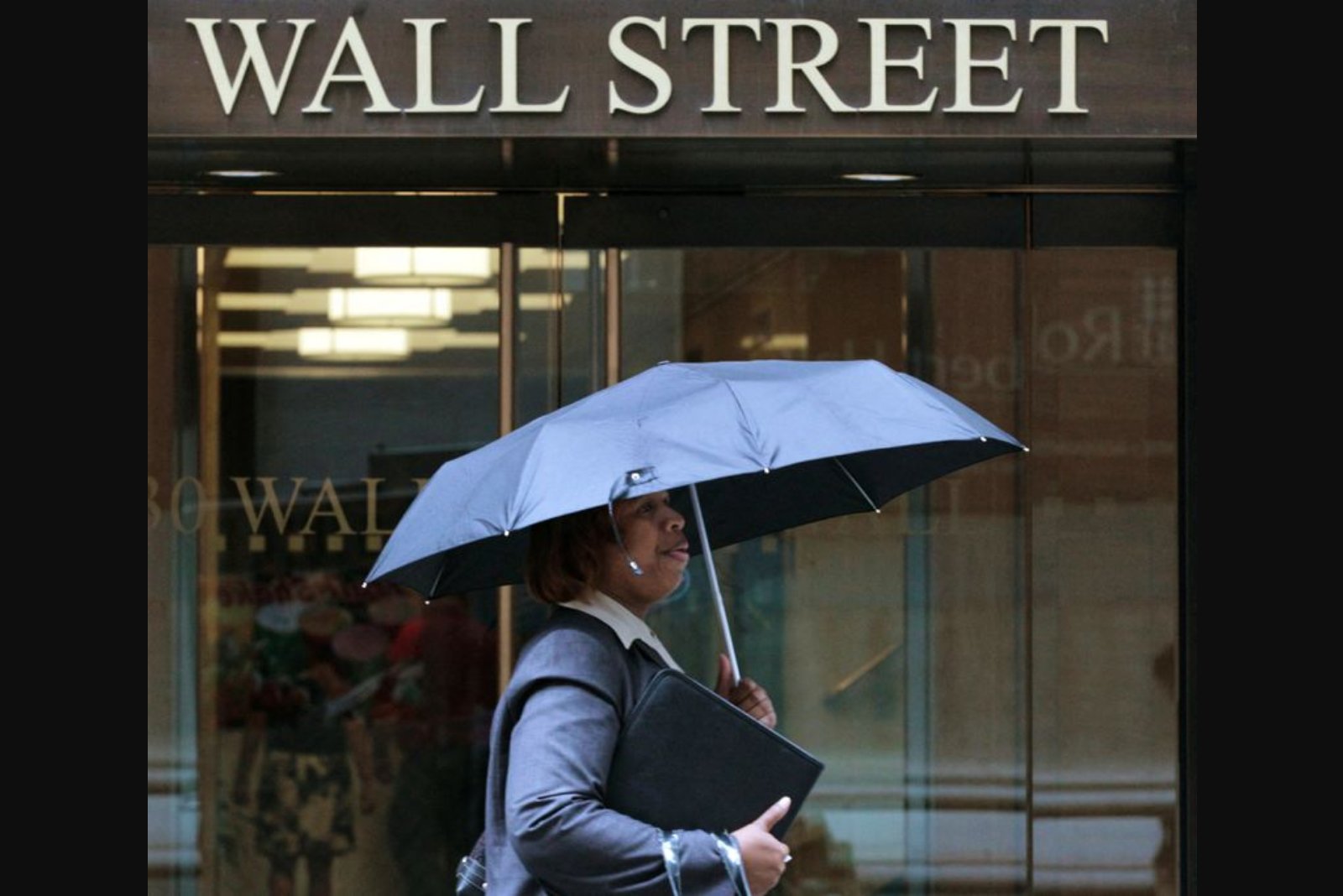
Summary: Wall Street's largest banks recorded substantial trading revenue gains during a volatile first quarter, driven by elevated client engagement and market moves. Executives from JPMorgan Chase, Citigroup, Wells Fargo and Goldman Sachs highlighted strong performance in equities and fixed income trading, but uniformly cautioned that the unusual market conditions that supported the quarter's outperformance may not continue. Management teams also noted geopolitical strain, especially related to the Iran conflict and oil supply routes, along with other market anxieties such as concerns about artificial intelligence, that could affect dealmaking and issuance in coming months.
Quarterly trading strength
Banks said heavy trading activity lifted markets revenue across multiple franchises. JPMorgan’s markets business generated a 20% increase in revenue for the quarter, with fixed income markets rising 21% and equity markets up 17%. The bank also reported a better-than-expected 13% rise in first-quarter profit, a result attributed to record trading revenue and improved dealmaking.
Citigroup disclosed its strongest quarterly revenue in a decade, with total markets revenue climbing 19% year-over-year. Within that, fees from equity markets surged 39% as derivatives, prime services and cash equities all expanded. Citi also reported that prime balances in its markets division rose by more than 50%. Fixed income trading at the bank advanced 13% year-over-year, with rates and currencies revenue up 6% and other fixed income up 27%, the latter buoyed by robust commodities performance.
Wells Fargo said its markets revenue jumped 19% in the quarter, attributing the rise to higher revenue across most asset classes. Goldman Sachs reported its equities trading unit had a record quarter; revenue from trading intermediation and financing climbed 27%, although its fixed income, currencies and commodities division showed signs of strain.
Management perspectives and caveats
Executives emphasized that the quarter’s results reflected unusually elevated client engagement and market volatility. Jeremy Barnum, chief financial officer at JPMorgan, said the quarter’s results were a function of a high level of client engagement, volatile market conditions and the firm’s success in managing the related risks. At the same time, Barnum urged caution about extrapolating the quarter’s outperformance, saying, "Generally, I would caution people against projecting forward the outperformance in this quarter, because I think conditions were unique." He added that despite this caveat, the bank sees some pockets of durable revenue and remains confident in the franchise.
JPMorgan chief executive Jamie Dimon warned of an expanding set of global economic risks, citing geopolitical tensions and wars as examples. Dimon said the firm prepares for a wide range of environments because it cannot predict how these risks will unfold. He also noted that while labor markets have softened, conditions do not appear to be deteriorating and consumer spending remains ongoing. JPMorgan’s CFO affirmed that consumer spending growth was continuing above last year’s pace.
Wells Fargo’s CFO Mike Santomassimo highlighted one clear cost pressure: consumers were likely spending between 25% and 30% more on gasoline than before the conflict. He noted the bank derives roughly 40% of its revenue from consumer banking and said overall spend remained resilient, with no significant change in spending trends observed.
Market drivers and sources of volatility
Banks pointed to several factors that animated trading desks in the quarter. Repeated bouts of selloffs kept traders and clients active as investors sought to adjust portfolios and hedge exposures. Specific concerns cited by bank executives included worries over the potential impact of artificial intelligence on software companies, private credit anxieties, and the escalation of the Iran conflict late in the quarter. Market jitters intensified in March with the outbreak of the U.S.-Israeli war with Iran, and fears about oil supply disruption from any blockage of the Strait of Hormuz - which carries roughly one-fifth of global oil - helped stoke stagflation concerns.
Those shocks increased volatility and trading volumes, particularly in commodities-related products and other fixed income instruments. Citi’s reported gains in commodities-related fixed income and rises in prime balances are consistent with clients seeking liquidity and hedging tools amid the uncertainty.
Implications for capital markets activity
Banks cautioned that prolonged geopolitical conflict or persistent market turbulence could weigh on merger-and-acquisition activity and initial public offerings. Citi’s CFO Gonzalo Lucchetti said that if the conflict persists for an extended period it could affect the second half-year pipeline for capital markets transactions, although he emphasized that the pipeline remained "very active at this point."
Overall, the quarter illustrated both the revenue upside banks can capture during times of elevated volatility and the sensitivities of capital markets revenue to geopolitics and energy supply concerns. While consumer spending has so far shown resilience, and some trading revenues appear durable, executives stopped short of predicting that the quarter’s trading outperformance will be repeated without similar market conditions.
Key takeaways
- Major banks reported sharply higher trading revenues in the first quarter driven by elevated client activity and market volatility.
- Executives warned against assuming the quarter’s outperformance will repeat, pointing to unique market conditions and significant geopolitical risks.
- While consumer spending appears resilient, energy price impacts and prolonged geopolitical conflict could dampen capital markets activity.
Risks and uncertainties
- Escalation or prolongation of the Iran conflict could disrupt oil supplies and pressure markets and deal pipelines - affecting commodities, energy and capital markets sectors.
- Continued market volatility or renewed selloffs related to artificial intelligence concerns or private credit worries could alter trading revenue patterns and reduce underwriting and advisory activity in investment banking.