
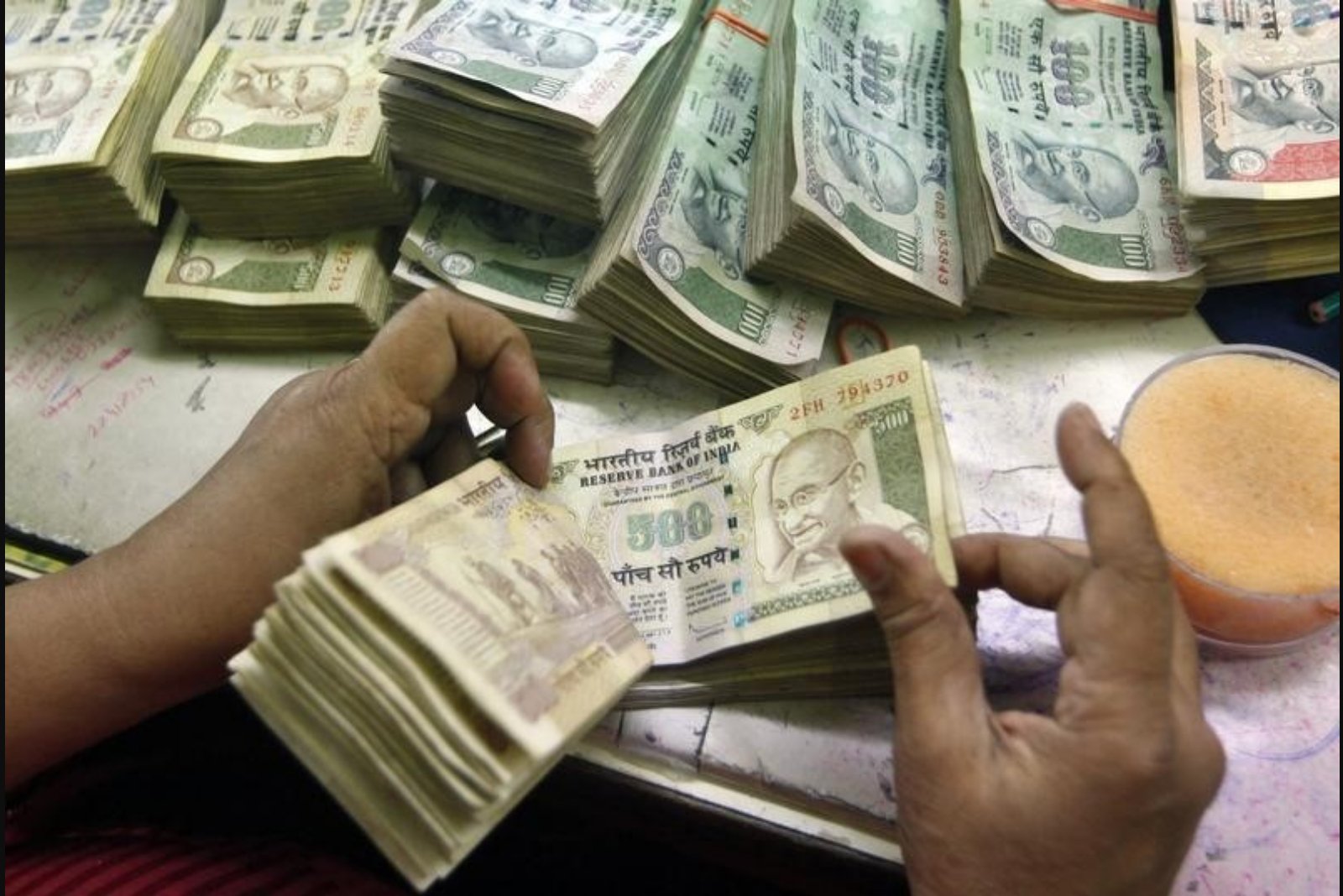
The Indian rupee fell to a record low on Monday as markets reacted to rising oil prices and concerns that the U.S.-Israel conflict with Iran could trigger further dislocations in energy shipments. Traders pushed the USD/INR pair - which measures how many rupees are required to buy one U.S. dollar - up to 92.711 rupees at the session peak.
Market participants cited heightened anxiety about India’s oil and gas supply chains after Iran effectively blocked the Strait of Hormuz earlier this month. The waterway is a pivotal transit route, accounting for roughly 20% of global oil consumption and serving as a principal corridor for many of India’s fuel imports.
India’s heavy dependence on foreign energy amplifies the currency’s sensitivity to disruptions. The country imports about 80% of its oil and gas needs, leaving importers exposed to price shocks. As crude prices rise, Indian buyers face larger bills for fuel purchases - a dynamic that places downward pressure on the rupee.
Although New Delhi stopped purchasing oil from Iran in 2019 to comply with U.S. sanctions, India has since diversified its suppliers, procuring more crude from Russia, Saudi Arabia and the United Arab Emirates. Despite that diversification, a substantial share of India’s energy imports still moves through the Strait of Hormuz, so any interruption in that channel can have outsized effects on supply and costs.
Analysts at ANZ cautioned last week that continued interruptions to energy flows would inflict damage on India’s broader economy and would likely sustain volatility in the rupee. The bank highlighted that persistent supply issues could keep pressures on the currency elevated as importers grapple with higher invoices.
With oil prices elevated and the Strait of Hormuz effectively disrupted, market observers say the rupee’s path will remain tied to developments in the region and to how sustained any supply constraints prove to be. For now, the currency’s record weakness underscores how exposed India remains to swings in global energy markets and the route by which much of its fuel is transported.