
Commodities April 20, 2026 06:54 AM

Vessel Movements Near Strait of Hormuz Nearly Halt as Three Ships Cross in 12 Hours

Satellite and tracking data show sparse traffic amid sanctions and a tense diplomatic standoff

By Leila Farooq
Vessel Movements Near Strait of Hormuz Nearly Halt as Three Ships Cross in 12 Hours

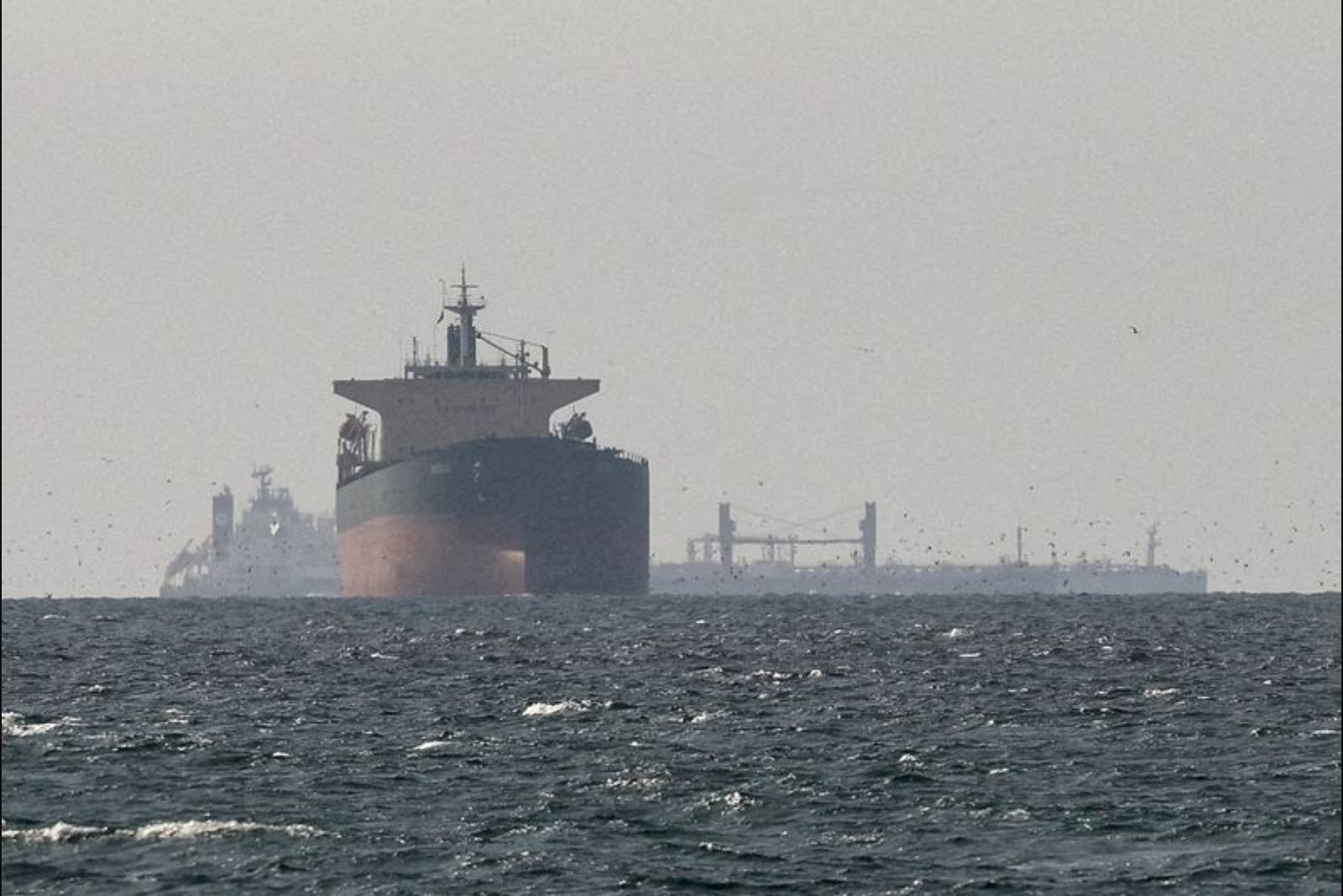
Shipping through the Strait of Hormuz was effectively frozen on Monday, with only three transits recorded in a 12-hour window. Satellite analysis and vessel-tracking platforms identified an oil products tanker leaving the Gulf and two vessels entering it, while geopolitical tensions rose after a U.S. seizure of an Iranian cargo ship and Tehran's vow to retaliate.

Key Points

  • Only three ship transits were recorded through the Strait of Hormuz within a 12-hour period on Monday, indicating a near standstill in maritime traffic.
  • The oil products tanker Nero, under British sanctions linked to Russian oil activities, departed the Gulf and transited the Strait; two vessels - a chemical tanker and the LPG tanker Axon I (subject to U.S. sanctions for Iran trading activities) - entered the Gulf.
  • Diplomatic tensions rose after the U.S. said it seized an Iranian cargo ship attempting to run a blockade and Iran vowed retaliation, with broker Clarksons warning that a durable resolution remains uncertain.

LONDON, April 20 - Maritime traffic through the Strait of Hormuz remained at a near standstill on Monday, with shipping records showing just three individual transits over a 12-hour period.

Data specialists SynMax, using satellite analysis, and the vessel-tracking platform Kpler both identified the oil products tanker Nero moving out of the Gulf and transiting the Strait. The Nero is subject to British sanctions tied to its Russian oil activities, according to the tracking information.

Separately, two other vessels were recorded moving into the Gulf on Monday. One was a chemical tanker, and the other was a liquefied petroleum gas (LPG) tanker identified as the Axon I. Tracking data indicated the Axon I is under U.S. sanctions related to Iran trading activities. Those two ships entered the Gulf via the strategic waterway at separate times during the day, the data showed.

The low number of movements coincided with renewed diplomatic strain. A ceasefire appeared to be in jeopardy after U.S. authorities said they had seized an Iranian cargo ship that attempted to breach a U.S.-enforced blockade. Tehran responded by vowing retaliation and, at least for the moment, declining to participate in new peace talks.

Ship broker Clarksons commented on the situation in a Monday note, saying: "Recent weeks have brought several false starts, and although some form of resolution is likely at some point, the timing of any durable breakthrough remains highly uncertain." The broker's assessment underscored the continued unpredictability surrounding diplomatic efforts and maritime operations in the region.

The limited vessel activity recorded by satellite and tracking services on Monday highlights the fragility of movements through the Strait of Hormuz while sanctions and direct interdictions intersect with broader diplomatic developments. The available data points describe specific ship movements and sanction statuses, but do not indicate an immediate return to routine traffic levels.


Data and sources cited in this report: Satellite analysis by SynMax and vessel-tracking data from the Kpler platform; broker commentary from Clarksons.

Risks

  • Further disruption to shipping movements through the Strait of Hormuz if diplomatic tensions escalate - this affects maritime transport and energy logistics.
  • Sanctions and interdictions could prolong uncertainty for vessel operators and charterers, with potential operational and legal complications for ships and insurers.
  • Unclear timing for a sustained ceasefire or diplomatic breakthrough adds volatility to regional maritime operations and related markets.

More from Commodities

Gold Holds Near One-Month Low as Iran Tension and Fed Watch Temper Demand Apr 29, 2026 Gold demand reaches record volumes in Q1 2026 amid geopolitical turbulence Apr 29, 2026 Oil Firms as U.S. Prepares to Extend Blockade of Iranian Ports, Raising Supply Concerns Apr 28, 2026 Oil Pulls Back From Three-Week Peak as UAE Quits OPEC and Hormuz Standoff Continues Apr 28, 2026 HSBC: UAE Exit from OPEC+ Likely to Have Small Near-Term Market Effect, Greater Long-Term Risks Apr 28, 2026