
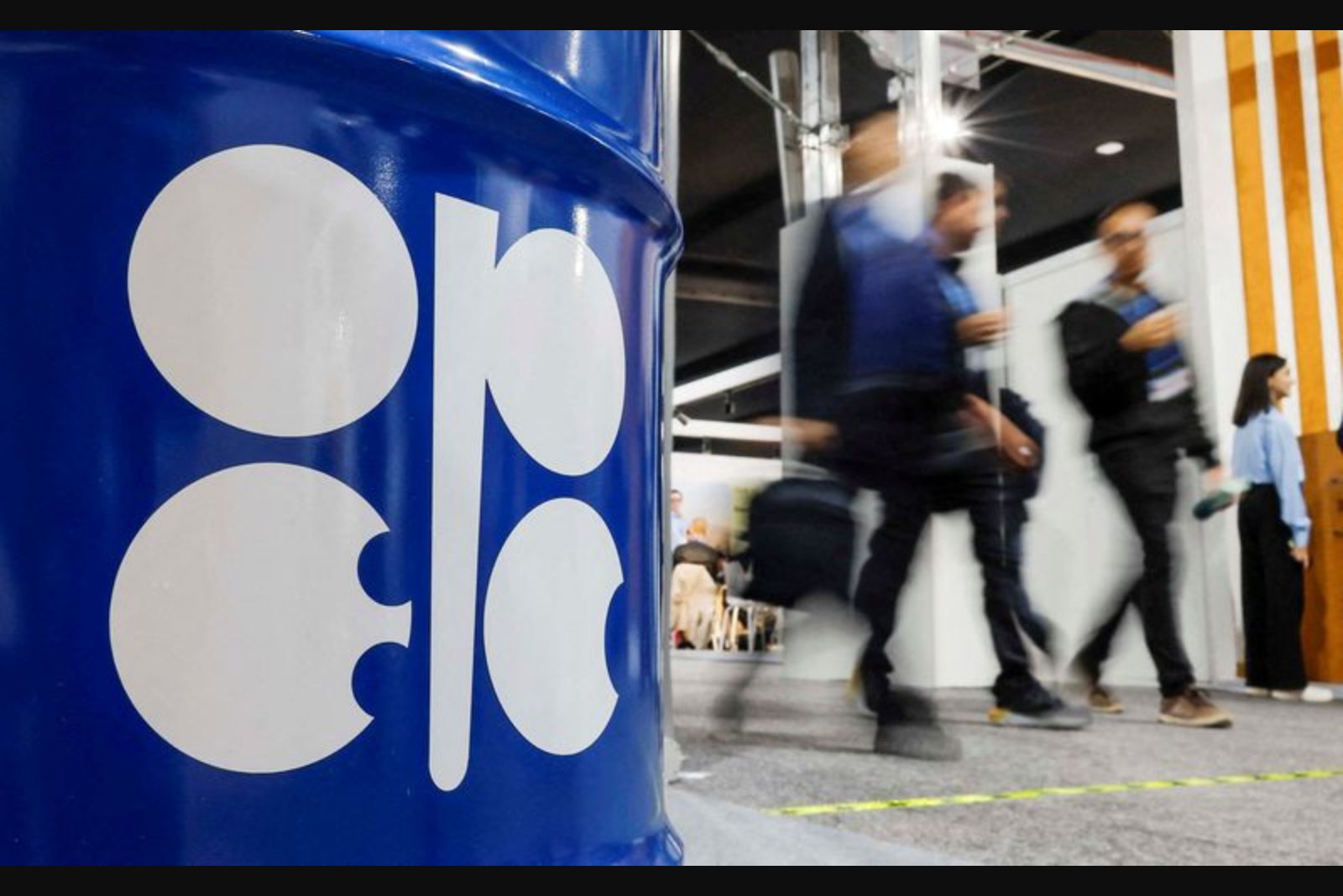
Abu Dhabi’s formal exit from the Organization of the Petroleum Exporting Countries on May 1 will strip OPEC+ of a significant production share and complicate the producer alliance’s ability to manage global oil supply, delegates and analysts said. Sources within OPEC+ and market observers told Reuters that while the United Arab Emirates’ departure will reduce the group’s control over output, it is unlikely to precipitate a breakup of the wider OPEC+ coalition.
The UAE was the fourth-largest producer within OPEC and has been a member for nearly 60 years. Leaving the organization frees the country from the production targets and quotas that OPEC and its allied producers have used to try to balance supply and demand. OPEC+ delegates said the announcement stunned many inside the alliance.
Sources who spoke on condition of anonymity said the loss of the UAE will make it more difficult for OPEC+ to fine-tune the market by adjusting group-wide output, because the alliance will control a smaller portion of global crude production. The UAE previously pumped roughly 3.4 million barrels per day (bpd) - about 3% of global crude supply - before the U.S.-Israeli war on Iran forced it and other Gulf producers to reduce shipments and halt some output.
Once outside OPEC, the UAE will join a class of producers able to set production independently, similar to countries like the United States and Brazil. However, delegates and analysts noted that the UAE’s immediate ability to raise exports is constrained by current disruptions to shipping through the Strait of Hormuz. If shipping returns to pre-war levels, the UAE has the capacity to lift production toward its reported capacity of 5 million bpd of crude oil and liquids.
Tension with Saudi Arabia over Abu Dhabi’s quota had been building. The UAE’s quota had been set at 3.5 million bpd, and the Emirates had sought a larger allowance to reflect its expansion program. Abu Dhabi has pursued extensive capacity growth backed by a reported investment program of about $150 billion, a point that market analysts say underlies its push for a higher quota.
"For years, Abu Dhabi has been looking to monetize its investment in expanding capacity," said Helima Croft of RBC Capital Markets. She added that the U.S.-Israeli war on Iran has slowed those plans after drones and rockets damaged the UAE’s production facilities.
That conflict has produced what the International Energy Agency described as the largest-ever global energy supply disruption in terms of outright daily oil production, and it has highlighted fractures among Gulf states, including strains between the UAE and Saudi Arabia. Rumors of an Emirati departure from OPEC+ have circulated for years as relations with Riyadh deteriorated over differing stances on conflicts in Sudan, Somalia and Yemen. The UAE has also forged closer ties with the United States and Israel, developments flagged by analysts as part of the backdrop to its move.
The UAE’s exit makes it the largest oil producer to leave OPEC in modern times. It follows recent departures by other members - Angola exited the bloc in 2024 citing disagreements over production levels, Ecuador left in 2020 and Qatar in 2019 - but none was as consequential in terms of output share. Observers said Iraq, the third-largest producer in OPEC+ after Saudi Arabia and Russia, has no plans to withdraw, with two Iraqi oil officials stating the country wants stable and acceptable prices.
Market watchers stressed that Saudi Arabia will remain central to any continued market management. Gary Ross, a long-time OPEC observer and CEO of Black Gold Investors, said that the alliance will not collapse because Riyadh still has an incentive to steer the market with partners. Saudi Arabia is the member with meaningful spare capacity; it can produce up to 12.5 million bpd though it has kept output under 10 million bpd in recent years.
OPEC+ membership also confers diplomatic and international influence - analysts point to that factor as one reason Iran has remained within OPEC despite sharp geopolitical tensions with some Gulf countries. U.S. political commentary on OPEC’s pricing policies was noted in market discussions as well: former U.S. President Donald Trump has accused OPEC of inflating oil prices and suggested the United States might reconsider military support to the Gulf over OPEC policies. The same political figure also played a role in persuading OPEC+ to cut output during the 2020 COVID-era price slump.
Analysts see the UAE withdrawal as part of a longer-term decline in OPEC’s market share. Founded in 1960, OPEC once accounted for more than half of global output. As rival producers expanded, OPEC’s share fell toward roughly 30% of global oil and oil liquids production, measured against a total output of 105 million barrels per day last year. The U.S. shale boom increased America’s share to as much as 20% of world output, contributing to the strategic rationale behind the 2016 formation of OPEC+ - an alliance that brought non-OPEC producers together with OPEC under a framework led in part by Russia.
According to the International Energy Agency, the OPEC+ alliance controlled about 50% of global oil production in 2025. The UAE’s departure reduces that control to roughly 45%, a notable decline that analysts say weakens OPEC+’s structural influence over the market even as the group continues to coordinate policy.
"The UAE withdrawal marks a significant shift for OPEC ... the longer-term implication is a structurally weaker OPEC," said Jorge Leon, a former OPEC official now at Rystad Energy.
Croft and others expect that in the near term OPEC+ members will be preoccupied with repair and recovery of facilities damaged in the conflict rather than initiating fresh production cuts. That focus on rebuilding, analysts said, reduces the odds of an immediate flurry of coordinated supply action and means the broader OPEC+ breakup is not expected to occur imminently.
Delegates and analysts stressed that the immediate practical impacts hinge on whether and when shipping through the Strait of Hormuz returns to pre-disruption levels and whether the UAE elects to move toward producing at its higher capacity. For now, the UAE’s move reduces the scope of OPEC+ control over global crude, removes a long-standing member from the cartel’s formal quota system and shifts the balance of leverage within the producer alliance.