
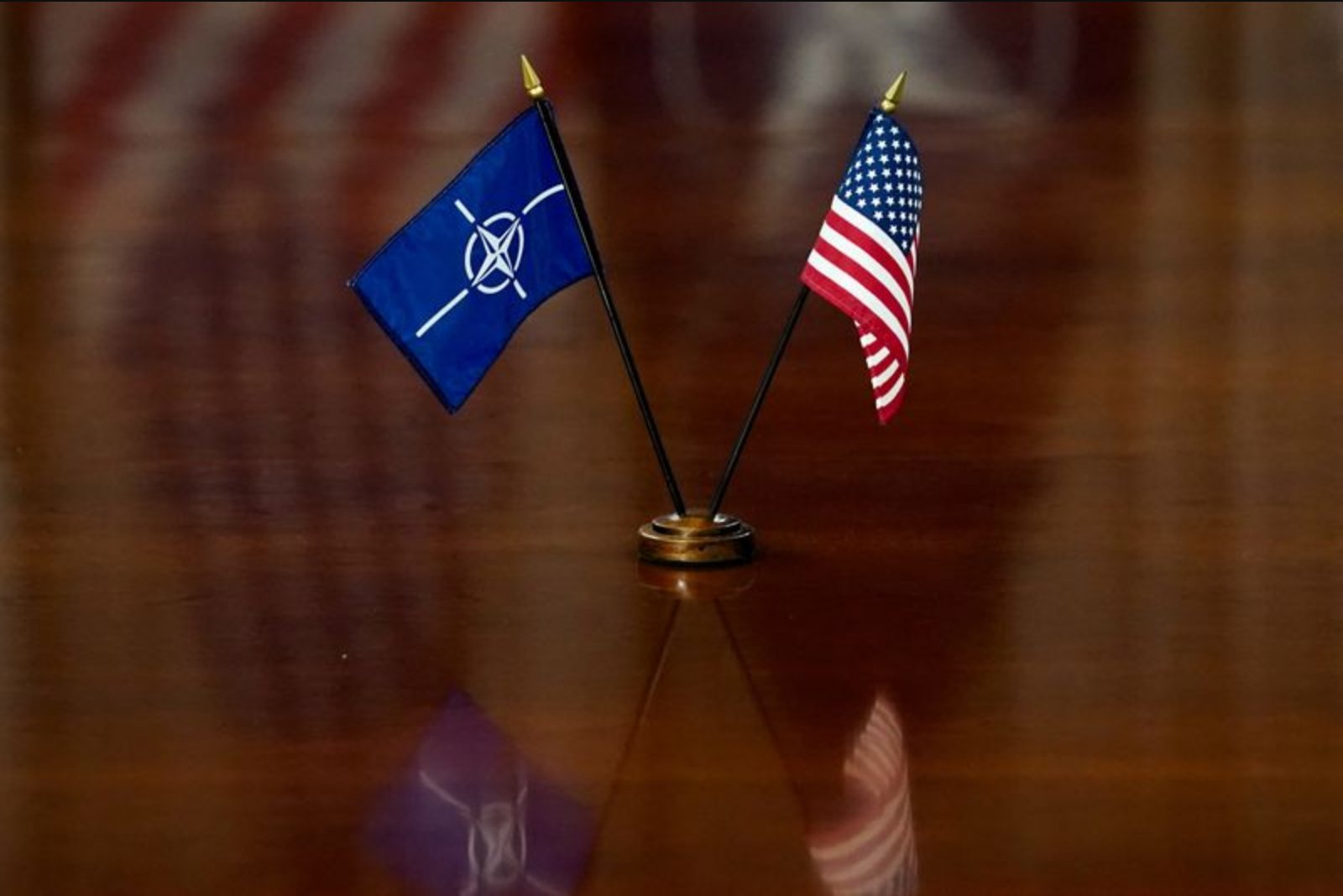
May 26 - Senior U.S. officials are preparing to limit the military assets the United States would make available to NATO allies in the event of a crisis, according to recent briefings at the alliance's headquarters. The planned changes, disclosed in closed-door discussions with member-state officials, would affect air, sea and unmanned capabilities traditionally counted on from the U.S.
Participants in the briefings were told that the United States intends to supply only half the number of strategic bombers previously offered to the alliance. In the same set of reductions, U.S. fighter jet contributions are set to drop by roughly one-third, a U.S. envoy said during the private meeting. The U.S. Navy is expected to make fewer destroyers available to NATO, and U.S. officials do not plan to provide submarines to the alliance under the new approach.
Under the proposed realignment, European members would need to supply their own reconnaissance drones. The United States also plans to significantly scale back its provision of armed drone models. Officials promoting the shift said the changes are intended to rebalance how capabilities are apportioned across the alliance.
The briefings involved an envoy from the office of the U.S. Defense Secretary and were held at NATO headquarters in Brussels late last week. Three people familiar with internal deliberations said the administration had been preparing to tell allies it would shrink the pool of capabilities available to NATO during a crisis. More complete details are scheduled to be released at a force generation conference planned for early June.
These disclosures come amid mounting tension within the transatlantic relationship. U.S. President Donald Trump has repeatedly criticised European NATO members for not spending enough on defence and has announced plans to withdraw thousands of American troops from Germany. His stated interest in acquiring Greenland, a territory of Denmark, has added to strains between Washington and European capitals. He has also publicly questioned the extent of U.S. obligations under the mutual defence pledge and has criticised allies for their support - or lack of it - in efforts to reopen the Strait of Hormuz amid the war on Iran.
The German defence ministry did not immediately respond to requests for comment. A spokeswoman for NATO commented that there had been an "over-reliance" on the United States in NATO force planning and suggested that, with increasing defence investment by Europe and Canada, the distribution of military responsibilities within the alliance could be reorganised.
Context and next steps
Officials say the new posture will be formally detailed at the early June conference, where NATO members will receive further guidance on how force contributions will be generated going forward. Until then, allies face uncertainty about the precise scope and timeline of U.S. reductions and how quickly Europe will have to adapt to provide capabilities previously sourced from American forces.