
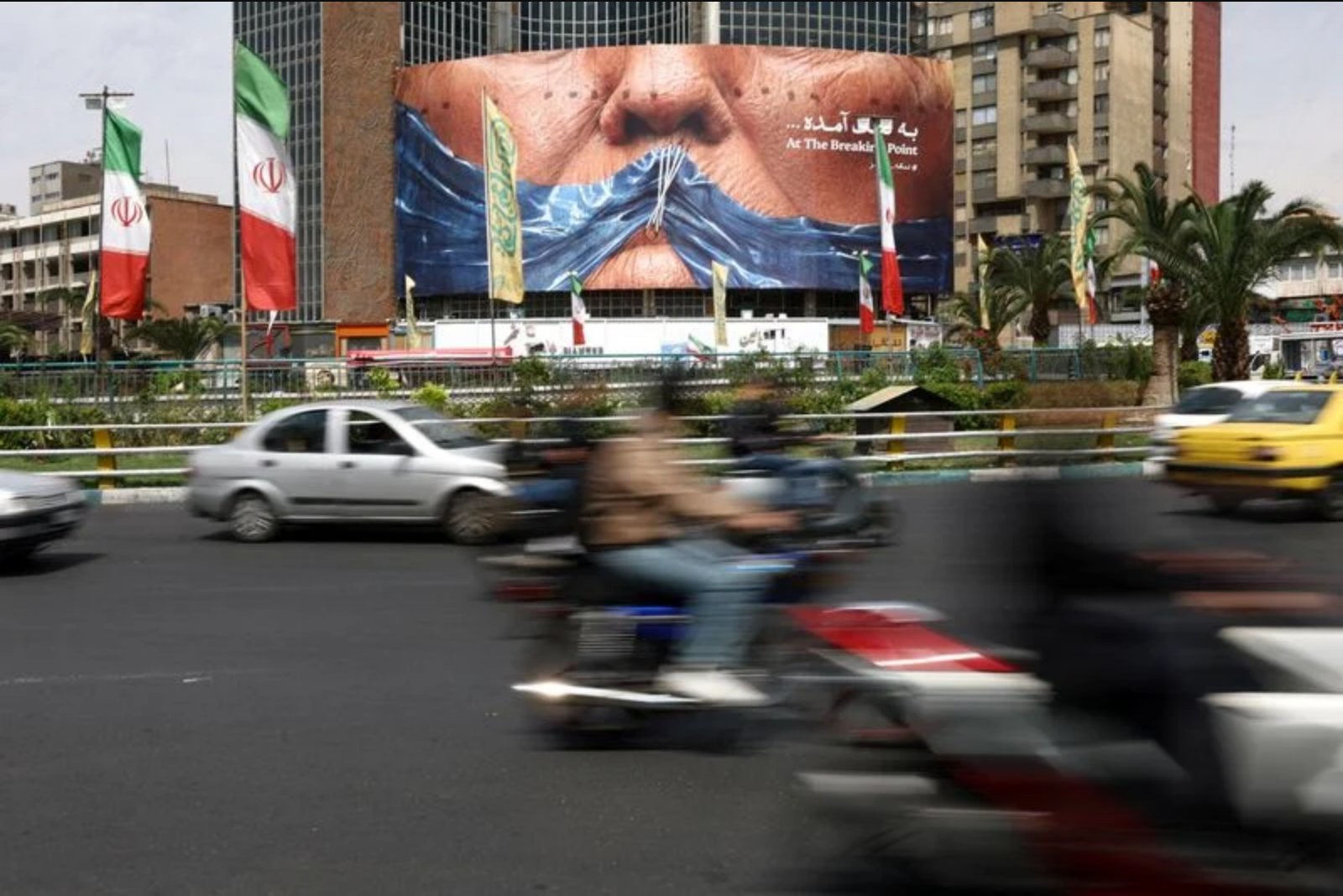
President Donald Trump said on Friday that Washington had agreed to continue talks with Iran at Tehran’s request, while stressing that the temporary ceasefire between the two countries was now over.
The Islamic Republic of Iran has asked us to continue ’talks.’ We have agreed to do so, but the United States has stated to them, in no uncertain terms, that the Cease Fire is OVER!
Trump posted the comment on his Truth Social platform, making clear that while discussions would proceed, the United States considers the ceasefire to have ended.
The statement comes after a week in which the U.S. and Iran exchanged strikes. According to the account provided, Iranian armed forces launched attacks on U.S. military infrastructure in Gulf states on Thursday. Those strikes followed U.S. military actions targeting locations in Iran’s southern coastal and eastern provinces.
Last month the two nations reached an interim arrangement intended to halt a four-month conflict. That temporary deal had aimed to curb hostilities that, according to the information available, had throttled worldwide energy supplies.
Within the political context outlined, the president’s inability to secure a durable end to the conflict has been a source of frustration for him. The commentary ties this frustration to domestic political pressures: the Republican Party faces midterm elections later this year amid elevated gasoline prices and voter discontent.
Summary
The United States has agreed to continue talks with Iran after Tehran requested further negotiations, while the U.S. maintains that the ceasefire is over. The exchange of strikes this week preceded the announcement, and an interim deal had temporarily paused a four-month conflict that affected global energy flows. Political implications for the U.S. include pressure on the administration as it approaches midterm elections amid high fuel costs.
Key points
- The U.S. accepted Iran's request to continue talks; the president declared the ceasefire over.
- Both countries traded strikes this week - Iran attacked U.S. military infrastructure in Gulf states after U.S. strikes in Iran's southern coastal and eastern provinces.
- An interim deal last month had paused a four-month conflict that had constrained global energy supplies; domestic political pressure is noted given high gas prices and upcoming midterms.
Risks and uncertainties
- Renewed hostilities - the end of the ceasefire and recent strikes introduce the risk of further military exchanges affecting regional stability and defense sector operations.
- Energy market volatility - the previous four-month conflict had throttled worldwide energy supplies, suggesting the potential for price and supply uncertainty if tensions escalate.
- Domestic political impact - ongoing conflict and high fuel costs contribute to voter discontent that could affect political dynamics during the midterm elections.
This account reflects the statements and sequence of events as reported without adding new factual claims or analysis beyond the information provided.