
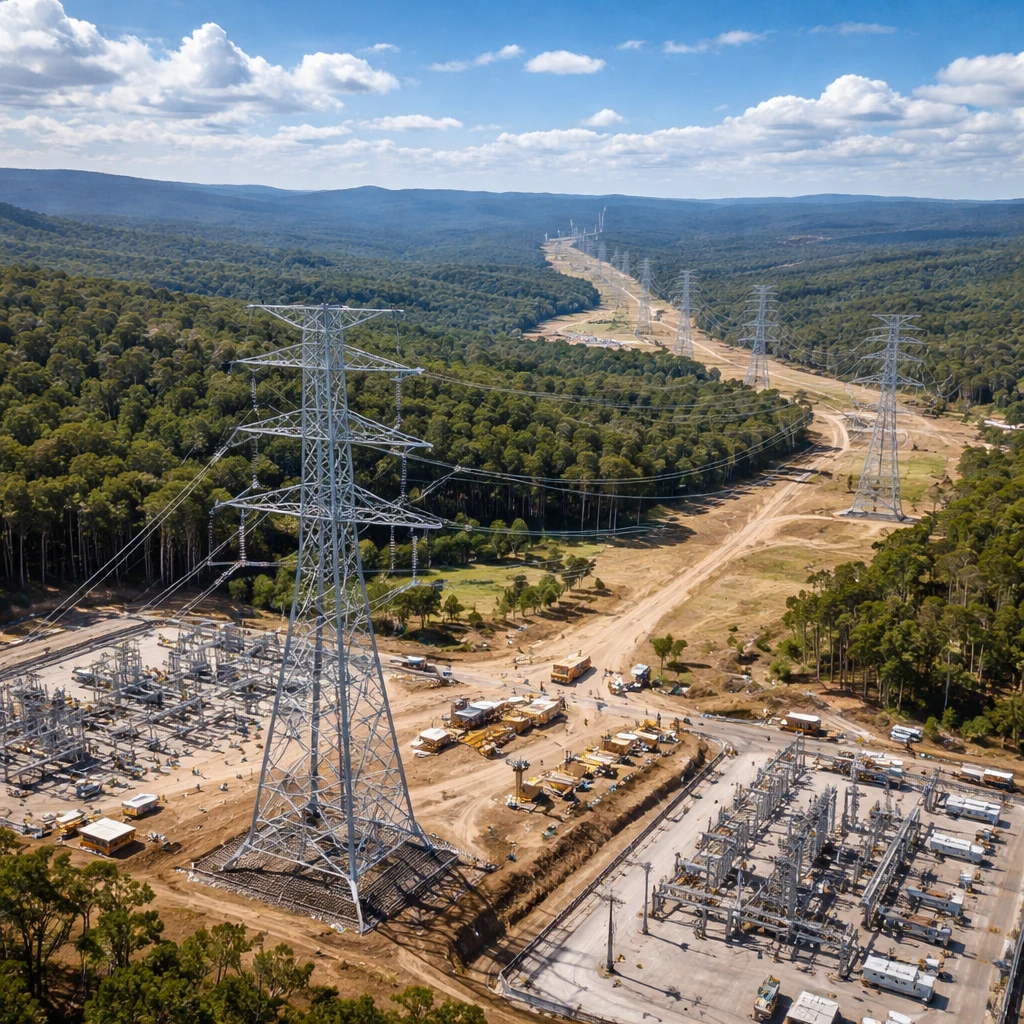
Downer EDI shares climbed 3.3% to A$7.18 after the firm disclosed it had secured a A$1.1 billion, three-year contract from EnergyCo NSW to deliver approximately 110 kilometres of new high-voltage transmission infrastructure as part of the Hunter Transmission Project.
Under the agreement, Downer will construct some 110km of double-circuit 500kV transmission line linking the Bayswater South and Olney switching stations. Planning and design activities are slated to begin in December, with on-site mobilisation targeted for 2027, both subject to final approvals.
The contract’s commercial structure mixes fixed lump-sum payments with variable mechanisms intended to lower delivery risks relative to traditional fixed-price contracts. The company said the arrangement aligns with its energy growth strategy and helps reduce the kinds of fixed-price contract risks that historically affect margins on large infrastructure projects.
The award adds to an already substantial backlog. Downer reported entering the current period with A$38.5 billion of work in hand, an underlying EBITA margin of 5.1%, and a net debt to EBITDA ratio of 0.8 times. Management has also been executing an on-market buy-back of its ordinary fully paid shares, a programme that has provided consistent demand-side support for the stock in recent weeks.
The wider Australian sharemarket opened the week lower, weighed down by declines across the financials and energy sectors after a weaker lead from Wall Street. US markets saw the S&P 500 and the Dow Jones Industrial Average move into correction territory during a tech-led selloff, a backdrop that left local investors cautious. Even so, Lendlease, Westgold Resources, Genesis Minerals and Downer EDI were among the better performers on the ASX 200.
Analysts and market participants pointed to a combination of factors behind the upward movement in Downer’s shares. The company’s success in winning a government-backed, energy transition-related infrastructure contract – together with a solid balance sheet and an active buy-back programme - gave investors a clear reason to increase bids for the stock despite the broader risk-off tone.
Beyond the immediate share-price reaction, the Hunter Transmission Project award reinforces Downer’s role as a major private-sector contractor in Australia’s grid modernisation efforts, and it offers the company a degree of revenue visibility that extends into the latter half of the decade. The firm’s statements emphasise the fit between the contract and its strategic focus on energy-related growth while noting the contract structure is designed to mitigate delivery risk.
Market context: Downer’s share rally occurred on a day when the broader market was retreating, highlighting how sizeable, government-linked infrastructure contracts and shareholder-support measures can counteract general market weakness.