
LA GUAIRA, Venezuela, June 28 - I was lying on my bed planning to watch a Brazil soccer match - the opponent now forgotten - when the frame began to move like a mechanical bull. I pressed my body into the mattress, looked at the open window, murmured a blessing for my parents, closed my eyes and braced for the ceiling to give way. The first tremor registered magnitude 7.2. Thirty-nine seconds later a stronger shock, magnitude 7.5, hit.
When the shaking stopped, I reached for my phone and messaged colleagues. Electricity in my apartment remained on for a short while, but elsewhere power was already out. Cracks scored the walls of my flat, long lines like cat scratches across fabric. I descended the emergency stairwell from the sixth floor and, with each landing, the building’s damage worsened. On the ground level the glass doors lay shattered. Outside, my phone displayed no signal.
I took photographs of neighbors gathered in the street and of nearby buildings, then forced myself to go back upstairs to retrieve my laptop and phone charger. These were the fifth and sixth earthquakes I have covered since I began reporting for newswires in Caracas in 1991, and the immediate minutes after each tremor felt familiar - chaos, a sudden hush, shock, and uncertainty as people absorbed what had occurred.
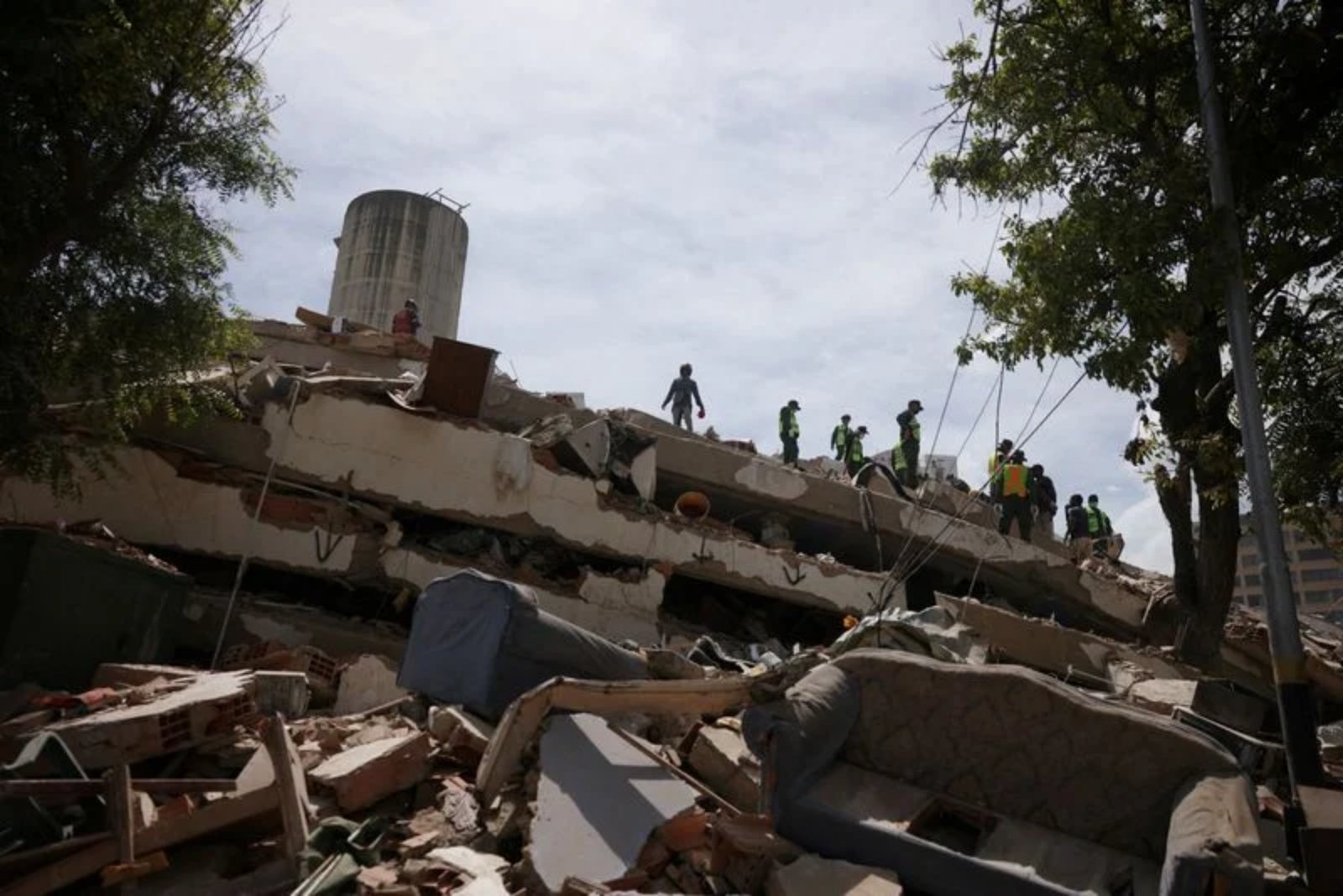
Two days later I traveled roughly 30 minutes from Caracas to La Guaira, which authorities describe as the quake’s ground zero. Early in the morning the contrast across the city was striking. In some neighborhoods the avenues were clean and buildings stood upright, with barely anyone on the streets and a calm Caribbean light falling over the scene. One block away, whole structures lay reduced to rubble on both sides of the road.
Deeper into the city’s parishes - Caraballeda and Los Corales - the scale of destruction grew more severe. An early-morning silence gave way to the increasing noise of people and activity as the sun rose. Motorcycles swarmed through the streets, ferrying aid and transporting survivors amid disorder and scattered crying.
Hundreds, by some counts thousands, of young people in shorts and t-shirts - some barefoot or wearing sandals - moved rocks from piles of debris that rose more than 10 meters in places. Teams improvised: some struck concrete slabs with sledgehammers in a race to find survivors. Others sat exhausted in plastic chairs under trees, seeking shade from the Caribbean sun.
On the drive, I kept a cooler in the car and used ice from it repeatedly, pressing handfuls against my skin to stay cool. I made a mental note to bring two coolers next time.
Complaints were common among La Guaira residents about delays in the arrival of rescue equipment and of food assistance. In the disaster zone there was also some reported looting. The rubble and the mounds of stone felt immovable to many on the ground, prompting questions about when restoration could begin and how long the recovery would take.
What struck me most was the indiscriminate brutality of the tectonic event. The violence of the ground movement did not target neighborhoods by class, faith or social standing - it hit across lines with equal force. Yet its effect was capricious: a building could remain intact on one side of the street while its immediate neighbor had collapsed.
Back at home, on my night stand, a glass of wine sat upright and untouched. Photographs of my parents from their dating days and a picture of my mother at a Caracas flower market remained standing. I felt fortunate amid the wreckage I had seen.
The human picture on the ground was one of improvisation and strain. Residents, many of them young, performed the first rounds of search-and-rescue, shifting enormous slabs of concrete and rock with bare hands and basic tools. The gap between local effort and the arrival of formal rescue equipment and supplies was a recurring frustration among those we spoke with in La Guaira.
Communications issues compounded the challenge - at least in my immediate vicinity, cell signal was lost in the moments after the tremors, complicating contact with friends and family and the coordination of help.
As people cleared rubble and tended to the wounded, questions about rebuilding and the timeline for recovery echoed through the streets. At this stage, answers remained unclear on the ground.