
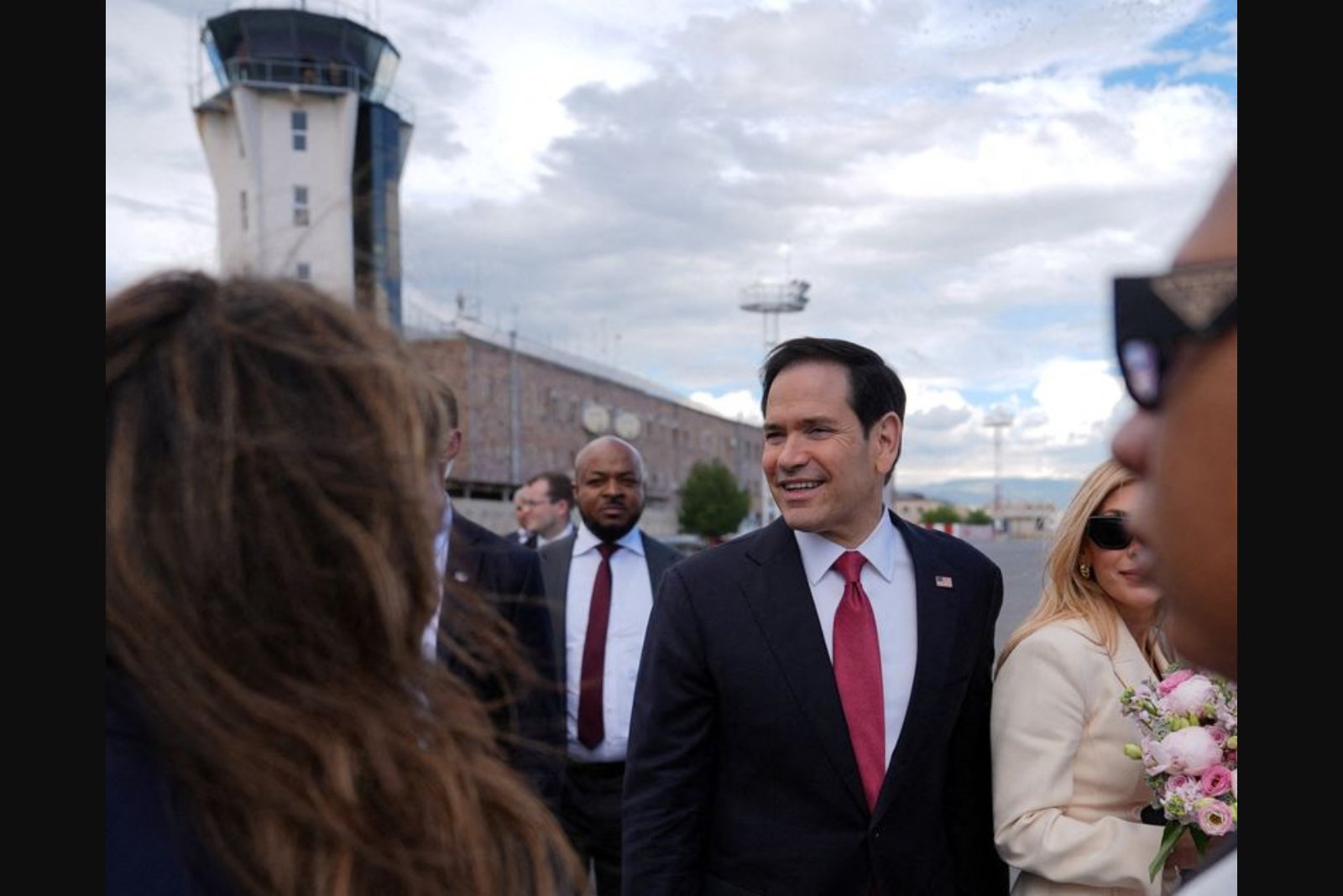
KARACHI, May 29 - Pakistani Foreign Minister Ishaq Dar touched down in Washington on Friday to hold talks with U.S. Secretary of State Marco Rubio, with the agenda set to include the most recent movements in negotiations intended to halt the Iran war.
Diplomatic sources have said a first round of peace talks hosted in Pakistan ended without a formal settlement. Separate reporting cited officials as indicating that Tehran and Washington had reached an initial understanding to extend a ceasefire that was announced in April and to lift certain limitations on commercial shipping transits through the Strait of Hormuz. Those accounts also noted that U.S. presidential approval was still pending and that some parties in Tehran were signalling the arrangement was not yet final.
U.S. President Donald Trump has not given his approval to the reported understanding. Iran’s Tasnim news agency reiterated on Friday that the deal had not been finalised and said it had undergone changes in recent days.
According to the U.S. State Department schedule, Dar is due to meet Secretary Rubio at 10 a.m. local time - 1400 GMT - and Pakistan’s foreign ministry, which confirmed Dar’s arrival, said he plans to return to Pakistan later in the day.
Dar holds the additional post of deputy prime minister, yet Pakistan’s mediation in the conflict has been led publicly by army chief Field Marshal Asim Munir. Munir has been the face of Islamabad’s bid to broker an end to fighting that, according to officials, has killed thousands and produced global economic strains by lifting energy prices.
Many of the positions the two sides have reiterated remain at odds. Iran has demanded that sanctions be lifted, that foreign assets be unfrozen, and that U.S. forces withdraw from the region. The United States has continued to insist that Iran dismantle elements of its nuclear programme, which Tehran maintains are for peaceful purposes.
A central and immediate issue in the negotiations is reopening safe passage for commercial traffic in the Strait of Hormuz. Before the conflict, the strait carried about one fifth of global oil and gas shipments. MarineTraffic data, which registers vessels that are actively broadcasting positions, showed at 1200 GMT on Friday that no oil tankers had transited the strait in the prior 24 hours, though a Chinese-flagged vehicle carrier did cross during that interval. The same dataset also indicated that several supertankers and liquefied natural gas carriers departed earlier in the week.
Iranian state television reported that 24 vessels had passed through the strait in the past 24 hours and reiterated that no ship would transit without authorisation from Iran’s Revolutionary Guards.
Pakistan’s foreign ministry earlier stated that Dar’s talks with Rubio would address bilateral relations in addition to "Pakistan’s efforts to promote regional peace and stability through dialogue and diplomacy." The Washington meeting thus blends routine diplomatic engagement with high-stakes discussions tied to efforts to halt the conflict and to reopen critical shipping lanes.
Contextual note: The sequence of events remains fluid. Reports of an initial Iran-U.S. understanding to extend the ceasefire and ease transit restrictions have not been formally confirmed by both capitals, and key approvals and details remain unresolved.