
With the October vote approaching, President Luiz Inacio Lula da Silva is managing what advisers describe as one of Brazil's most cautious presidential campaigns in recent memory as he seeks to preserve a narrow advantage over right-wing Senator Flavio Bolsonaro.
Campaign insiders say the strategy is driven by heightened worries about the ease with which false or misleading content can spread, the potential for foreign meddling and the risk that even well-intended actions or remarks could be reframed into damaging political narratives. "The ability to mislead voters today is even greater than it was in 2022, so it’s a real concern. We have to be much more careful about what we do and say," one adviser said, asking not to be named because they were not authorized to speak publicly.
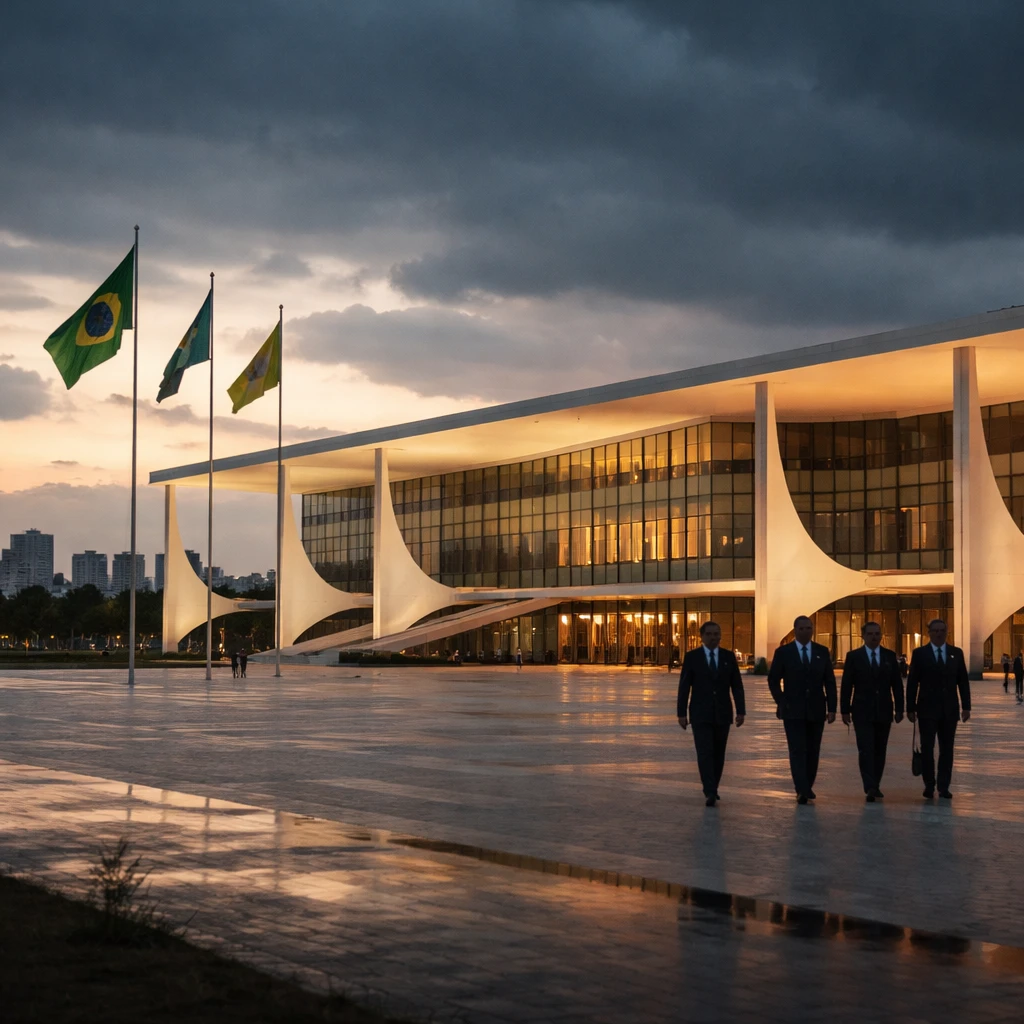
Polls currently show Lula maintaining a lead over Senator Bolsonaro in the second round, but that margin has narrowed to roughly 1 to 3 percentage points, according to the latest surveys cited by advisers. In response, officials working in the Planalto presidential palace in Brasilia have been instructed to scrutinize government actions more closely to reduce any appearance that state resources are being used for electoral advantage and to limit missteps that opponents could exploit.
As part of this more guarded posture, ministers have been asked to remove certain posts from social media, and state television has halted broadcasting presidential events to avoid the risk of running afoul of Brazil's electoral law, sources said. Official announcements and presidential appearances are being routed through additional review layers to limit the chance that actions will be misinterpreted, even though some within the administration regard the approach as overly cautious.
"I think there’s a certain amount of exaggeration in this concern with violating the law. Previous administrations had absolutely no concern about this," one source said. "The Brazilian legislation is clear that at some point the incumbent will be president and candidate at the same time." That view reflects frustration among officials who see the legal strictures as constraining normal presidential duties during a campaign period.
Despite the deliberate caution, Lula has not avoided controversy. In a recent interview he stated he had never met a lobbyist currently under investigation in a corruption probe, but Instagram photographs showing the two together quickly resurfaced and circulated online. The campaign has said that Lula is frequently approached by people seeking photographs and maintains there is no substantive relationship between the president and the lobbyist in question.
Senator Bolsonaro has faced his own social media revelations. A Brazilian magazine disclosed this week that he received a payment of $1.6 million from Daniel Vorcaro, a former banker now under investigation in a major fraud case. That follows an earlier disclosure in May of a payment of $24 million.
Lula's campaign officials view the information environment as increasingly difficult to navigate with the growing capabilities of artificial intelligence, which they say makes disinformation harder to identify and counter. They also express concern about an administration in Washington they perceive as encouraging a rightward shift through the region. "The U.S. government today has a clear willingness to interfere in elections in the region," said a person close to Lula, adding that the Trump administration views Brazil as the next target in a wave of right-wing victories "that they initiated in the region." The State Department did not reply to a request for comment, but the agency has previously rejected accusations of election interference by Brazil's government.
Analysts say the muted tone of the campaign is not solely the result of Lula's internal calculus. Widening political polarization between Lula and the Bolsonaro camp is contributing to public fatigue, which manifests as lower visible engagement on the streets and quieter rallies. "Both paths are familiar; they’ve already been tried," said Cila Schulman, CEO of the Ideia Institute, a polling and public opinion think tank, describing why voter enthusiasm is tepid.
People close to Senator Bolsonaro confirm a similar environment for his campaign. Internal surveys reportedly show voters across the political spectrum are weary of partisan conflict, a dynamic that keeps engagement low and crowds smaller.
Regulatory changes are also reshaping how campaigns reach citizens. Brazil's electoral court has barred platforms from showing candidate content to users who do not already follow those candidates, constraining the organic spread of political messaging and amplifying the tendency of online interactions to occur within echo chambers rather than crossing partisan lines.
Data intelligence specialists monitoring social media say this confinement of engagement may advantage the leading candidates. "For Lula and Flavio’s campaigns, if there’s not much action, it is good for them. They’re firmly in the lead, they don’t need to rock the boat. The minor candidates are the ones that should try to heat up their campaigns," said Luis Fakhouri, director of strategy at Palver.
The result is an election season that is unusually low profile for both frontrunners. Campaign teams are balancing the need to mobilize supporters while avoiding triggers that could ignite viral controversies or legal challenges. For now, the cautious approach appears intended to protect fragile leads and prevent avoidable mistakes in a highly charged, rapidly evolving information environment.