
World September 3, 2026 09:50 AM

Iranian Military Deaths from Recent U.S. Strikes Reach at Least 13, Semi-Official Media Reports

Tasnim cites six additional regular military fatalities after what it calls the most extensive U.S. strikes in weeks

By Priya Menon
Share
Twitter Reddit Facebook LinkedIn

Iran’s semi-official Tasnim news agency reported six additional military fatalities from U.S. strikes this week, bringing the known military death toll to at least 13. The report identifies three pilots among the six dead in southern Iran and references separate strikes that killed members of the Basij and the IRGC Aerospace Force. Official comprehensive casualty counts remain unconfirmed.

Iranian Military Deaths from Recent U.S. Strikes Reach at Least 13, Semi-Official Media Reports
Summarize with
ChatGPT Perplexity Claude Grok Gemini

Key Points

  • Tasnim reports six additional regular military deaths from U.S. strikes this week, including three pilots, bringing the known military toll to at least 13.
  • Separate reported casualties include three Basij members killed on Lavan Island and four IRGC Aerospace Force members killed in western Iran.
  • Sectors of interest include defense and military-related industries, given reported losses among military personnel and units.

Iran’s semi-official Tasnim news agency said on Thursday that six more members of the country’s regular military were killed in U.S. strikes this week, raising the military death toll to at least 13.


Tasnim described the strikes on Tuesday as the most extensive in several weeks and specified that among the six recently reported fatalities were three pilots. The agency did not provide further details about the precise location in southern Iran where those servicemen were killed.

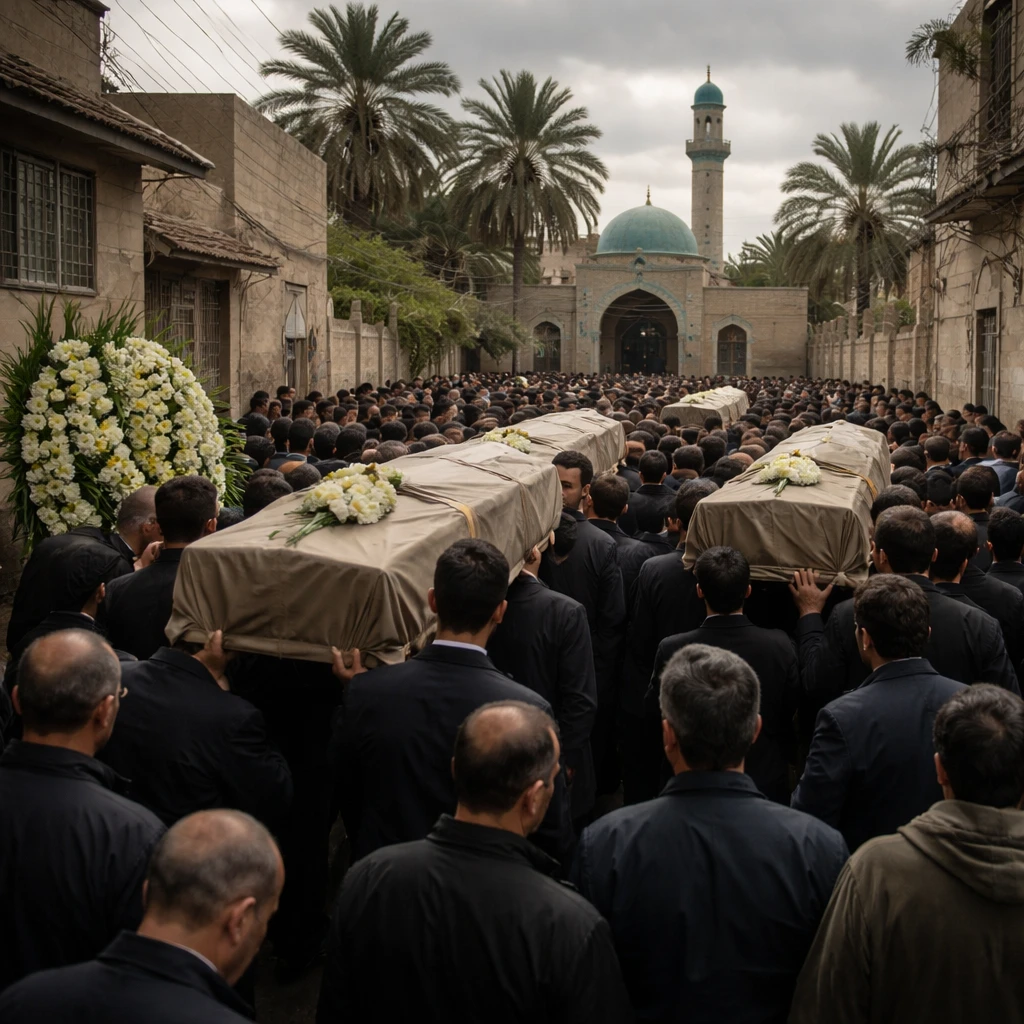
Earlier reporting from Tasnim had said that the Tuesday strikes had also killed three members of the paramilitary Basij on Lavan Island in the Gulf. Tasnim said the Basij members’ funeral was held in southern Iran on Wednesday.

A separate statement, published by the guards on Wednesday, said four members of the Islamic Revolutionary Guard Corps’ Aerospace Force were killed in western Iran during the same set of attacks.


The conflict, which began in late February with U.S. and Israeli strikes on Iran as described in prior reporting, has resulted in thousands of deaths, with the vast majority occurring in Iran and Lebanon. Iranian military casualties in this conflict have been disclosed periodically by Iranian outlets, without a single official tally covering the full span of reported losses.

On Wednesday, an Iranian health ministry official writing on X reported that between August 30 and September 2, 18 people had been killed and 142 wounded. The health ministry post noted that among those killed during that period were four people who had been attending a wedding, highlighting continued concern over civilian casualties.

Tasnim also reported that U.S. strikes on Sunday, which followed roughly a month without major clashes, had killed three people in southern Iran. Iran’s Nournews outlet identified two of those three as members of the IRGC Navy.

The United States has reported casualty figures of its own in the conflict: 18 military personnel killed and more than 750 wounded.


Official confirmation of aggregate Iranian military losses has not been provided, and reporting to date has come in periodic statements from Iranian media and military-affiliated outlets. The disparate disclosures underline ongoing uncertainty about the full human cost of the strikes and related incidents.

Risks

  • Uncertainty in casualty accounting - Iranian military deaths have been reported periodically without an official consolidated tally, complicating assessment of the full human cost. This affects defense analysts and government reporting.
  • Civilian harm and public attention - Iranian health ministry data from Aug 30 to Sept 2 reported 18 civilians killed and 142 wounded, including four people at a wedding, highlighting continued civilian risk and potential humanitarian concerns.
  • Potential for renewed escalation - Reports note recent strikes followed a month-long lull and included what were described as the most extensive U.S. strikes in weeks, indicating uncertainty about the timing and intensity of further hostilities; this bears on defense planning and regional security assessments.

More from World

Denmark Says Russia Has Sought to Recruit Citizens to Assist Sabotage Planning Targeting Defence Firms Sep 3, 2026 Poland’s central bank likely to keep rates steady through 2026, council member says Sep 3, 2026 Influencer Presence at U.S. Open Raises Questions About Courtside Etiquette Sep 3, 2026 Lula Runs a Tightly Cautious Campaign as Polling Margin Narrows Sep 3, 2026 Health Secretary Pressed CDC to Remove Pennsylvania Measles Deaths From Federal Tally, Sources Say Sep 3, 2026