
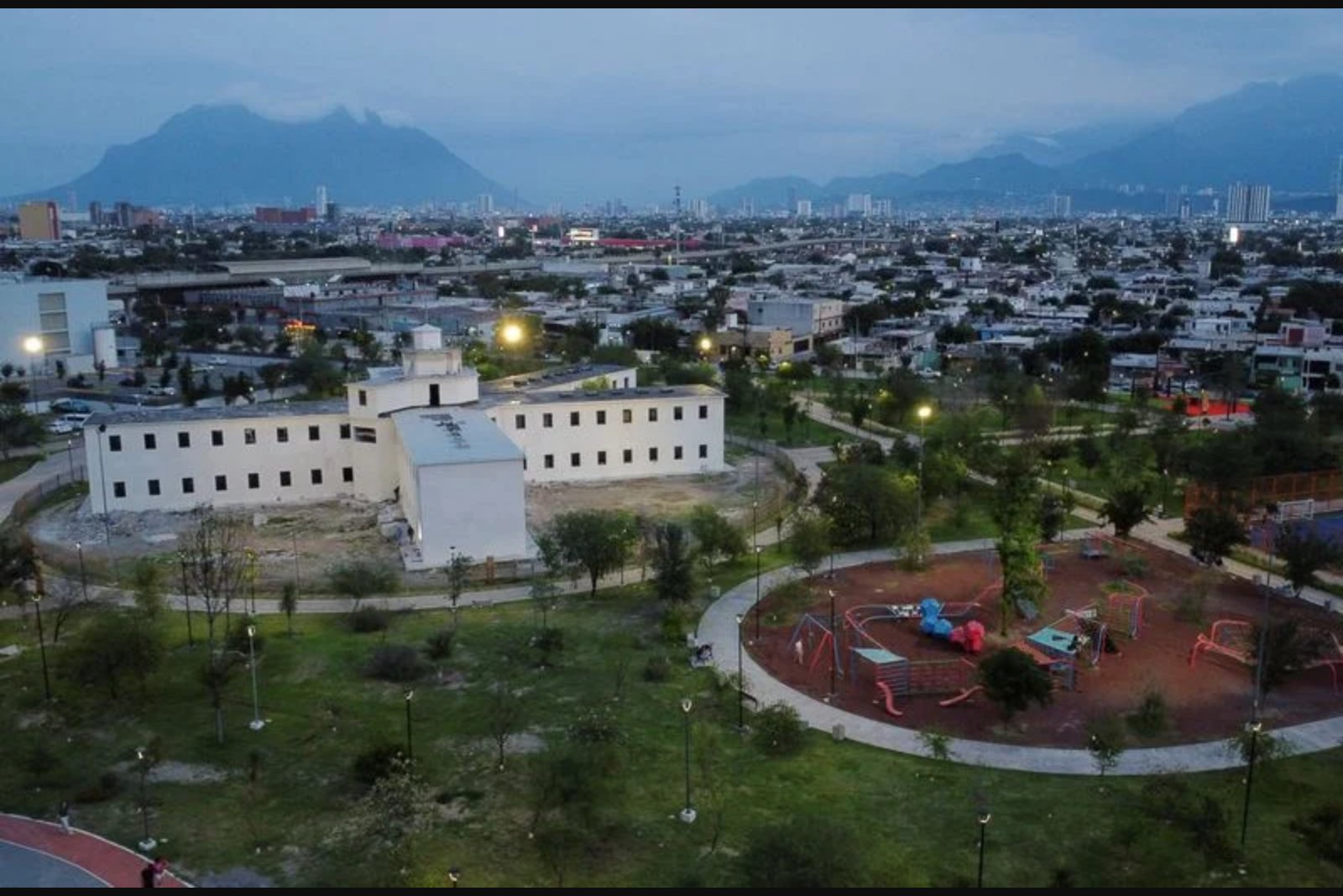
On a recent afternoon in Monterrey, children chased a soccer ball across green turf where, about a decade earlier, the site was marked by some of the worst violence to afflict the city. The area, once occupied by Topo Chico prison, was the scene of a confrontation in which 49 inmates were killed during a savage fight between rival cartels for control of the facility. Many of the victims were reportedly hacked with knives or struck with chairs in what became one of the bloodiest episodes of the early 2010s violence in the metropolitan area.
The image of children playing on the former prison grounds underscores a striking local change. Public safety in Monterrey has improved markedly over the past 15 years, residents and officials say, aided by substantial investment in policing and by broader economic gains that have contributed to making Monterrey one of Mexico’s safest major cities. Those improvements are visible in the daily concerns of residents and visitors, who now speak more about traffic and smog than about personal security.
Perhaps the most tangible symbol of the shift is Liberty Park, a swath of trees, playgrounds and sports fields established on the Topo Chico site. The city dismantled the 76-year-old prison in 2019, and the park first opened to the public in 2021. Authorities developed the grounds in stages and added a new playground and sports pitch ahead of Monterrey hosting four World Cup matches this month.
“We could hear the riots, the explosions, the helicopters, and the soldiers’ patrols all over this area,” recalled Francisco Rodriguez Castillo, 66, a retired accountant who has lived a few blocks from the former prison for decades. Rodriguez now runs with a local group in the park most mornings and notes how children play there well after dark, a contrast he described succinctly: "It’s an enormous change."
The process of converting the prison to public space included practical and symbolic steps to close a violent chapter. When the facility was demolished in 2019, one of the last tasks was to inspect the soccer field and other areas for clandestine graves; officials reported that none were found. The site then transitioned into municipal parkland.
For locals such as 30-year-old lawyer Gala Jazmín Rojas Cruz, the reclamation of the space has personal resonance. She said there had been nowhere safe for children to play when she was young, and that families frequently took shelter when gunfire or the sounds of prison rioting echoed through the neighborhood. Those memories informed residents’ engagement in subsequent debates over the land’s future.
In 2023, city officials announced plans to build a children’s hospital on the grounds of the former prison. The proposal prompted strong pushback from neighborhood residents, who organized protests and filed legal challenges. Their actions succeeded in halting the development and preserving Liberty Park. Following that victory, the resident group campaigned for formal protections to prevent future construction on the site. State officials are reported to be finalizing a designation that would declare Liberty Park a natural protected area.
While Monterrey’s local narrative emphasizes recovery and redevelopment, the broader security context in Mexico remains uneven. The same cartel-fueled drug war that once devastated parts of Monterrey continues to afflict other regions of the country, and that ongoing violence has raised concerns about safety around the World Cup. Guadalajara, in particular, remains under scrutiny after cartel members in February torched vehicles and established roadblocks in retaliation for the U.S.-backed capture of one of the country’s most wanted drug lords.
Despite those national concerns, the mood in Monterrey ahead of the tournament has been shaped primarily by everyday urban issues rather than by pervasive fear of violence, residents say. The conversion of a notorious prison site into a public park stands as a visible example of how municipal policy, civic action and investment have altered the city’s landscape and daily life. Resident organizers continue to press for permanent legal protections for the park to safeguard it from potential future redevelopment.
Context and ongoing developments
- The Topo Chico prison was operational for 76 years before authorities dismantled it in 2019; the site was inspected for clandestine graves but none were found.
- Liberty Park opened to the public in stages beginning in 2021 and received additional amenities ahead of Monterrey hosting four World Cup matches.
- In 2023, plans for a children’s hospital on the site prompted protests and legal action by residents, who succeeded in preventing construction and are now pursuing protected-area status for the park.
Local officials are in the process of finalizing the park’s new status as a protected natural area. For residents who remember the prison-era days of gunfire, helicopter patrols and prison riots, the park has become both a recreational resource and a civic emblem of change.