
A major new international crossing connecting Detroit and Windsor, Ontario, is expected to begin operations soon after Washington and Ottawa reached an agreement on the bridge's financial arrangements, a Michigan Republican announced on Friday.
The $4.7 billion Gordie Howe International Bridge had been scheduled to open in early June but the opening was delayed amid concerns raised by the United States. In February, U.S. President Donald Trump publicly suggested he might prevent the bridge from opening, citing a range of grievances with Canada.
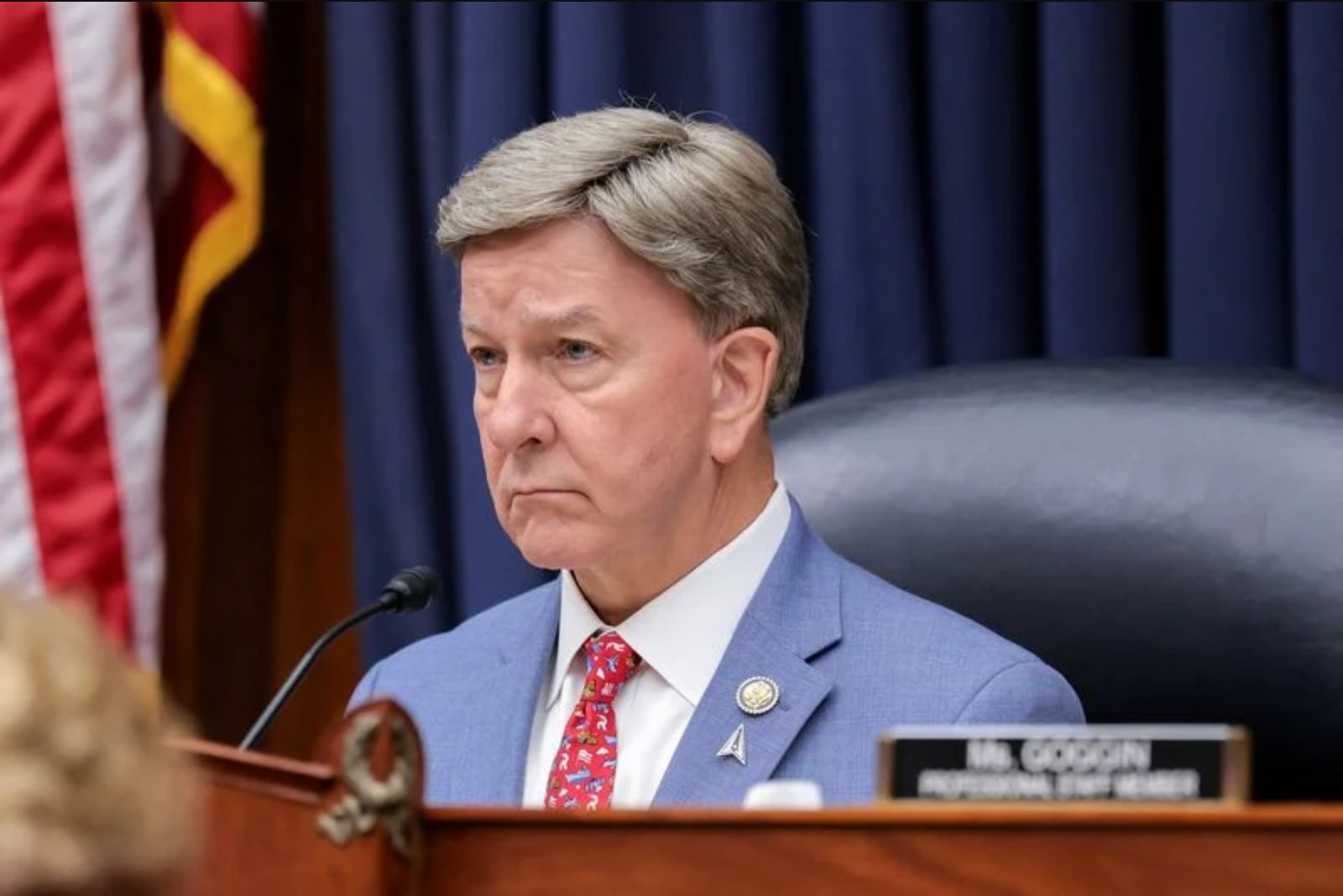
On WJR radio Friday, Michigan Republican Senate candidate Mike Rogers said he had spoken with U.S. Commerce Secretary Howard Lutnick, who told him the administration had finalized a deal that would be announced within days to allow the bridge to open soon.
Separately, a source confirmed that the arrangement gives the United States 50% of toll revenues from the crossing and grants U.S. officials the right to veto any toll increase that exceeds 10% above current toll levels. A formal ribbon-cutting ceremony had been planned for early June before the delay.
Canadian Prime Minister Mark Carney acknowledged last month that Canada had agreed to postpone the opening at the request of the Trump administration. "We agreed to delay the opening and take the necessary time to resolve outstanding issues," Carney said.
President Trump had cited a handful of bilateral disputes as reasons he might block the crossing, including Canada's policies on stocking certain U.S. alcoholic beverages on retail shelves, tariffs on dairy products, and Canada’s ongoing trade discussions with China.
The delay also came amid attention to the competing Ambassador Bridge, privately owned by Matthew Moroun, who met with Lutnick in February. Weeks earlier, Moroun made a $1 million donation to a political action committee aligned with President Trump.
Construction on the Gordie Howe International Bridge began in 2018 and was financed by Canada after the United States declined to contribute funding. The costs were to be repaid via tolls collected over a 30-year period. It is not immediately clear from the reported agreement how assigning half of toll revenues to the United States will affect the repayment schedule for the construction financing.
Officials and analysts have highlighted the bridge's expected benefits for cross-border freight. The new span is intended to relieve truck congestion on the Ambassador Bridge, which serves as the busiest freight port on the U.S.-Canada border. That crossing handled $126 billion in commercial truck trade as of 2023.
A University of Windsor study cited in earlier reporting estimated the new crossing will reduce travel time by approximately 20 minutes and save truck operators an estimated $2.3 billion over 30 years.
The matter unfolded against a broader backdrop of strained trade relations between the two countries. The article notes that President Trump has issued a number of threats aimed at Canada during his second term and has substantially raised tariffs. Last month, he indicated he might not renew a trilateral free trade agreement with Mexico and Canada.
Officials on both sides are expected to announce the terms publicly in the coming days and to firm up a new opening date for the long-awaited international crossing.