
Australia's top spy told a public royal commission on Monday that antisemitic sentiment and conduct in the country were insufficiently challenged following the October 2023 outbreak of the Israel-Gaza war, and that this contributed to violence against Jewish Australians.
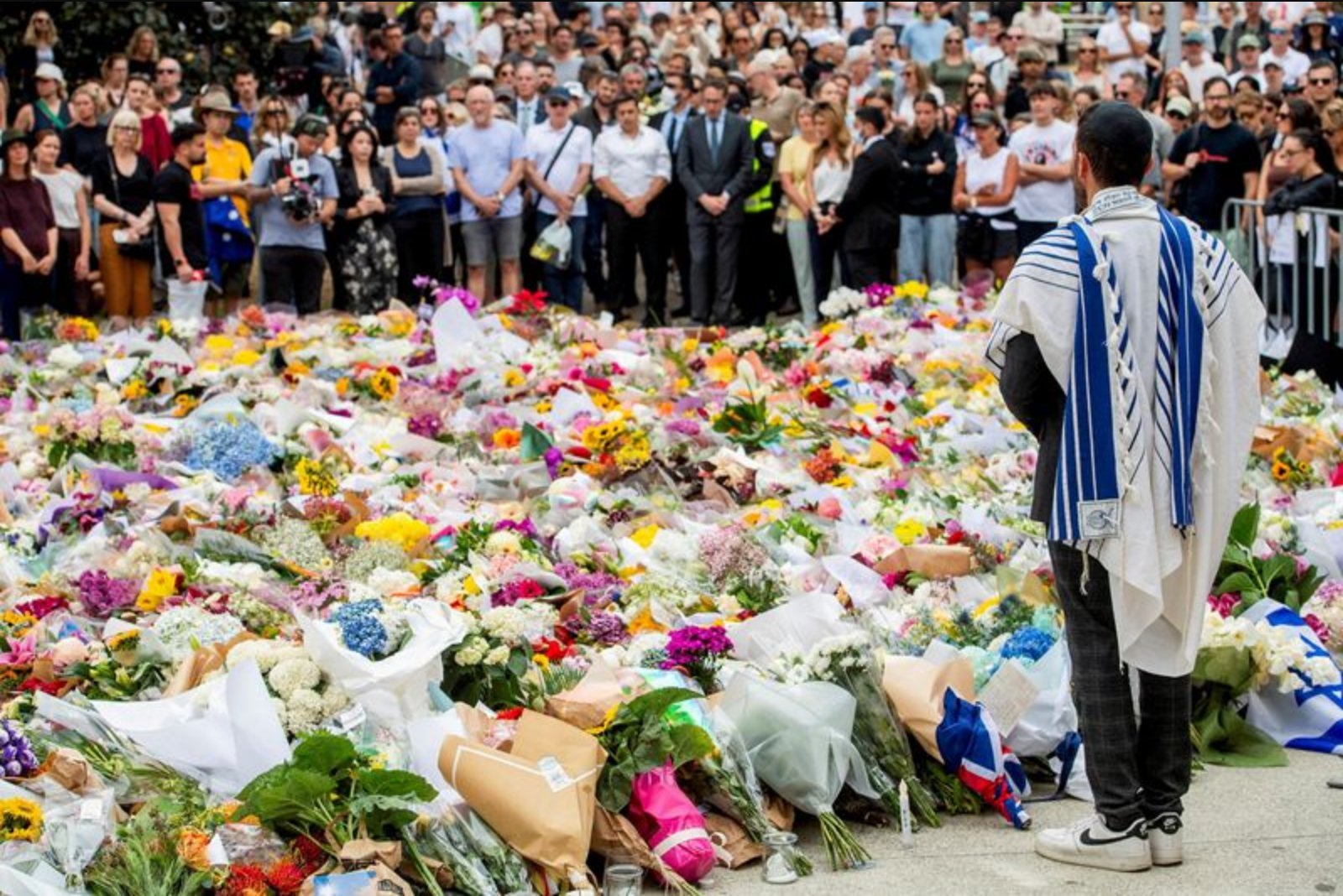
Mike Burgess, director-general of the Australian Security Intelligence Organisation, gave the evidence during hearings examining the run-up to the December Bondi Beach mass shooting, in which 15 people attending a Jewish Hanukkah celebration were killed.
Burgess told commissioners the surge in antisemitic incidents after the Middle East conflict was a factor in ASIO's decision to raise the national terrorism threat level to "probable" in August 2024. "There is no doubt that the war in the Middle East invoked a range of emotions in Australia," he said.
He added that some of those emotions manifested in violent behaviour and conduct that, in the agency's assessment, went unchecked: "Some of those violent aspects ... and those behaviours, including antisemitism that, in our view, were left unchecked, were therefore normalised and gave more permission for violence ... and Jewish Australians were on the receiving end."
According to Burgess, the character of antisemitic incidents changed from late 2024, moving beyond threatening and intimidating behaviour to targeted attacks on individuals, businesses and places of worship. He said such incidents in the months before the Bondi attack included vandalism and arson against homes, schools, synagogues and vehicles.
ASIO's investigations led the agency to conclude that Iran's Islamic Revolutionary Guard Corps was responsible for two antisemitic attacks - one on a kosher restaurant in Sydney and another on Melbourne's Adass Israel Synagogue. That assessment prompted the Australian government to expel Iran's ambassador in August.
Burgess said ASIO believed Iran was likely implicated in additional attacks but that the agency had not been able to reach the necessary level of certainty in its assessments. "Iran was probably involved in more attacks, but ASIO 'just can’t quite get there' in its assessments to pinpoint responsibility," he said.
He characterised the IRGC's operational approach as one that leverages networks of proxies and agents to carry out harm: "They use their network of proxies and agents to do their bidding, and that is to bring harm to Jewish people wherever they are in the world."
The commission's initial block of hearings this month concentrated on the prevalence and character of antisemitism in Australia and heard testimony from members of the Jewish community about their experiences and concerns.
Context and implications
The testimony presented by ASIO's director-general framed the recent spike in antisemitic behaviour as both a domestic security concern and a factor with diplomatic consequences. The agency's public attribution of responsibility for specific attacks to Iran's IRGC was tied to a diplomatic response earlier in the year.
The royal commission's hearings are examining how these developments connected with the environment in which the Bondi Beach attack occurred and are collecting testimony from community members and officials to understand the lead-up to that incident.