
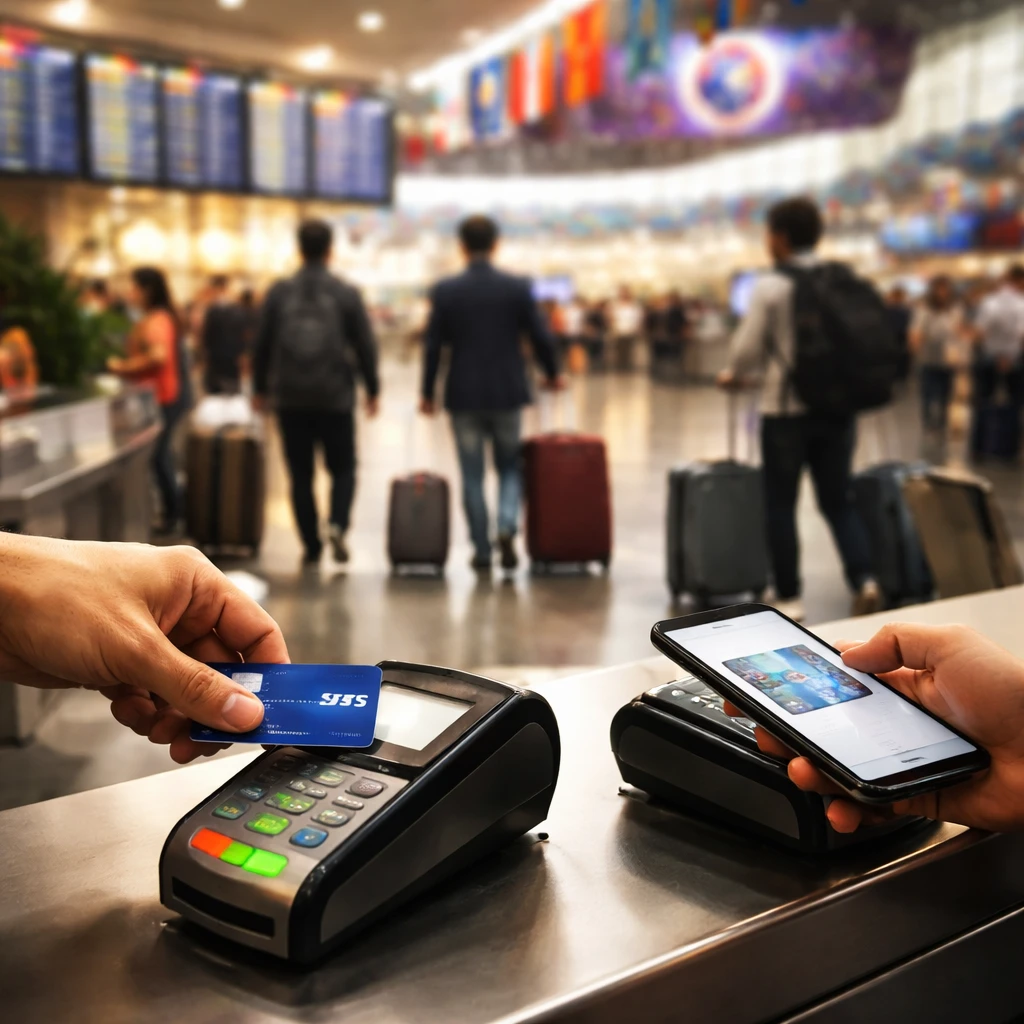
Visa delivered quarterly results that outperformed Wall Street estimates, reflecting continued consumer spending and a spike in international travel-related transactions tied to the World Cup. The payments giant said payments volume, its main indicator of consumer and business activity across its network, climbed 10% in constant dollars and topped $4 trillion for the first time in the company's history. Processed transactions were up 10% as well.
Analysts and portfolio managers pointed to the underlying transaction trends as evidence the beat was grounded in real economic activity rather than accounting adjustments. "Visa's quarter tells a pretty simple story: people kept spending, and spending more than Wall Street expected. The beat wasn't a fluke or an accounting trick - it showed up in the parts of the business that actually reflect real transaction activity," said David Wagner, head of equities and a portfolio manager at Aptus Capital Advisors.
World Cup lifts cross-border and card-present spending
The company highlighted a meaningful increase in cross-border volumes, which rose 13% on a constant-dollar basis during the quarter, up from 12% a year earlier. Cross-border flows are closely watched because travel-related transactions tend to be high-value and can disproportionately influence Visa's revenue.
Chief Financial Officer Chris Suh noted the impact of the World Cup on in-person spending. "Total card-present spend in the U.S. accelerated, with card-present transactions rising as much as 20% in select host cities on match days during the FIFA World Cup," he said on the post-earnings call. Suh added that in host cities, entertainment and restaurant categories recorded the largest growth in cross-border spend.
Seaport analyst Jeff Cantwell said the company had been expected to benefit from World Cup-driven travel and that the results were consistent with that view. Visa's global network spans more than 200 countries and territories and the firm earns fees on transactions routed through that network.
Earnings, revenue and margins
For the quarter ended June 30, adjusted profit rose to $6.3 billion, or $3.32 per share, surpassing the analysts' average estimate of $3.23 per share, according to LSEG data. Net revenue increased 14% to $11.63 billion, compared with the average estimate of $11.39 billion. Shares were down about 1% in after-hours trading.
Operating expenses climbed 19% to $4.8 billion in the quarter, a rise the company attributed largely to higher personnel costs.
Cost reductions and headcount changes
On the earnings call, Chief Executive Officer Ryan McInerney said Visa would eliminate roles primarily within technology and product teams as part of efforts to better position the company for its next phase of growth. Earlier the company indicated it would cut about 7% of its workforce.
Market strategists framed the move as part of a broader productivity shift. "Visa hired aggressively during growth periods. Now AI enables higher productivity per remaining employee, allowing the company to maintain or expand output in priority areas while trimming headcount," said Brian Mulberry, chief market strategist at Zacks Investment.
Competitive context
Visa's closest rival, Mastercard, is scheduled to report quarterly results later this week. Investors often watch both companies for signs of consumer spending strength and cross-border travel trends because these can materially influence payment-processing revenue.
What the results show
The quarter underscores resilient consumer spending patterns and a notable boost from travel-related transactions during a major sporting event. At the same time, Visa is navigating rising operating expenses and is taking steps to reduce headcount to align costs with productivity gains. The company reported stronger-than-expected profit and revenue while noting the need to manage expenses amid evolving priorities.