
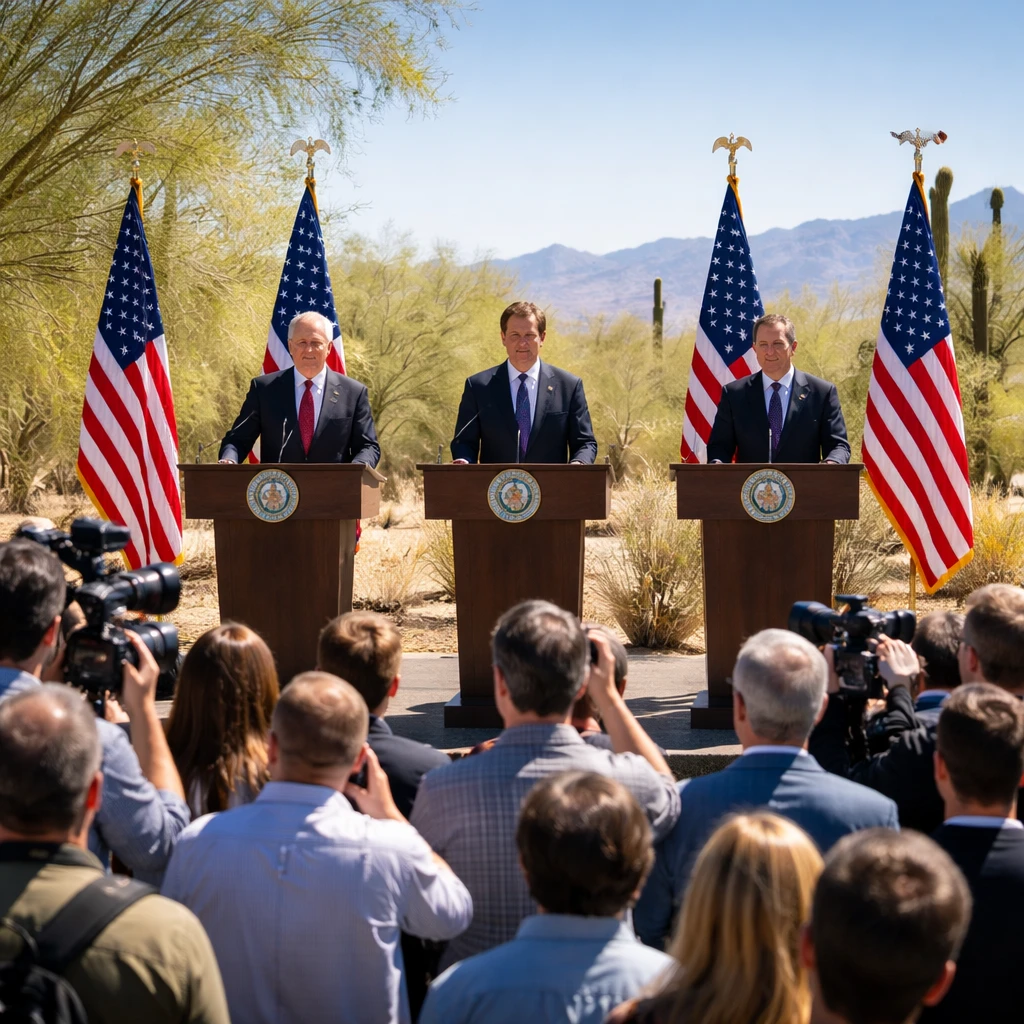
On Aug. 5, U.S. Treasury officials prepared new guidance intended to widen incentives for employers to offer paid family and medical leave, administration sources said. The White House is expected to showcase the policy in a public event outside Phoenix where Treasury Secretary Scott Bessent and House Speaker Mike Johnson will join Representative Juan Ciscomani to discuss the directive.
The guidance modifies a tax credit originally established in 2017 as part of a major tax law. Under the law as written, employers could claim a credit if they provided at least two weeks of family and medical leave and paid at least 50% of an employee's wages while that employee was out. The forthcoming guidance will permit employers to claim the same credit if they pay insurance premiums that cover the costs of leave, according to people familiar with the plans who spoke on condition of anonymity because they were not authorized to comment publicly.
Many employers historically have not paid wages directly during leave and instead purchase insurance to cover those costs. The planned guidance aims to make those employers eligible for the credit, removing the requirement that the employer directly pay wages while a worker is on leave.
The administration is positioning the move as a policy achievement it can highlight during the midterm campaign season. Representative Ciscomani, who will participate in the Phoenix event, is considered one of the more vulnerable Republicans in the House, and the administration has been mobilizing support for candidates who face strong Democratic challenges.
Treasury Secretary Scott Bessent emphasized the policy rationale in a statement, saying: "Hardworking Americans should not have to choose between caring for a loved one and earning a paycheck." A White House spokesman, Kush Desai, described the action as "another historic win for working parents." The administration hopes to frame the change as part of its broader political message ahead of November.
The policy change tracks with provisions outlined in what the administration describes as Trump’s signature tax and immigration law, the One Big Beautiful Bill Act. The administration and conservative allies intend to use that law as a centerpiece of their campaign messaging, even as public opinion on which party handles the economy better remains closely divided.
A recent Reuters/Ipsos poll found that voters preferred Democrats' stewardship of the economy by a margin of 37% to 36%, and that registered voters favored Democrats on a generic congressional ballot by 5 percentage points. These poll findings were cited by administration officials grappling with broader political dynamics as they promote the tax-credit change.
Among Republican proponents of tax-incentive approaches to leave is Senator Deb Fischer of Nebraska. The policy has been long championed by Senator Fischer, who was noted for fending off a competitive independent challenge in her 2024 reelection campaign.
Context and mechanics
The change affects how employers demonstrate eligibility for an existing credit: previously, the key condition was paying wages during an employee's leave. Under the new guidance, expenditures on insurance premiums that provide paid leave coverage will qualify employers for the same tax benefit.
Administration officials have framed the policy as relying on private employers to shoulder leave costs through tax incentives rather than expanding direct federal spending on paid leave programs.