
Overview
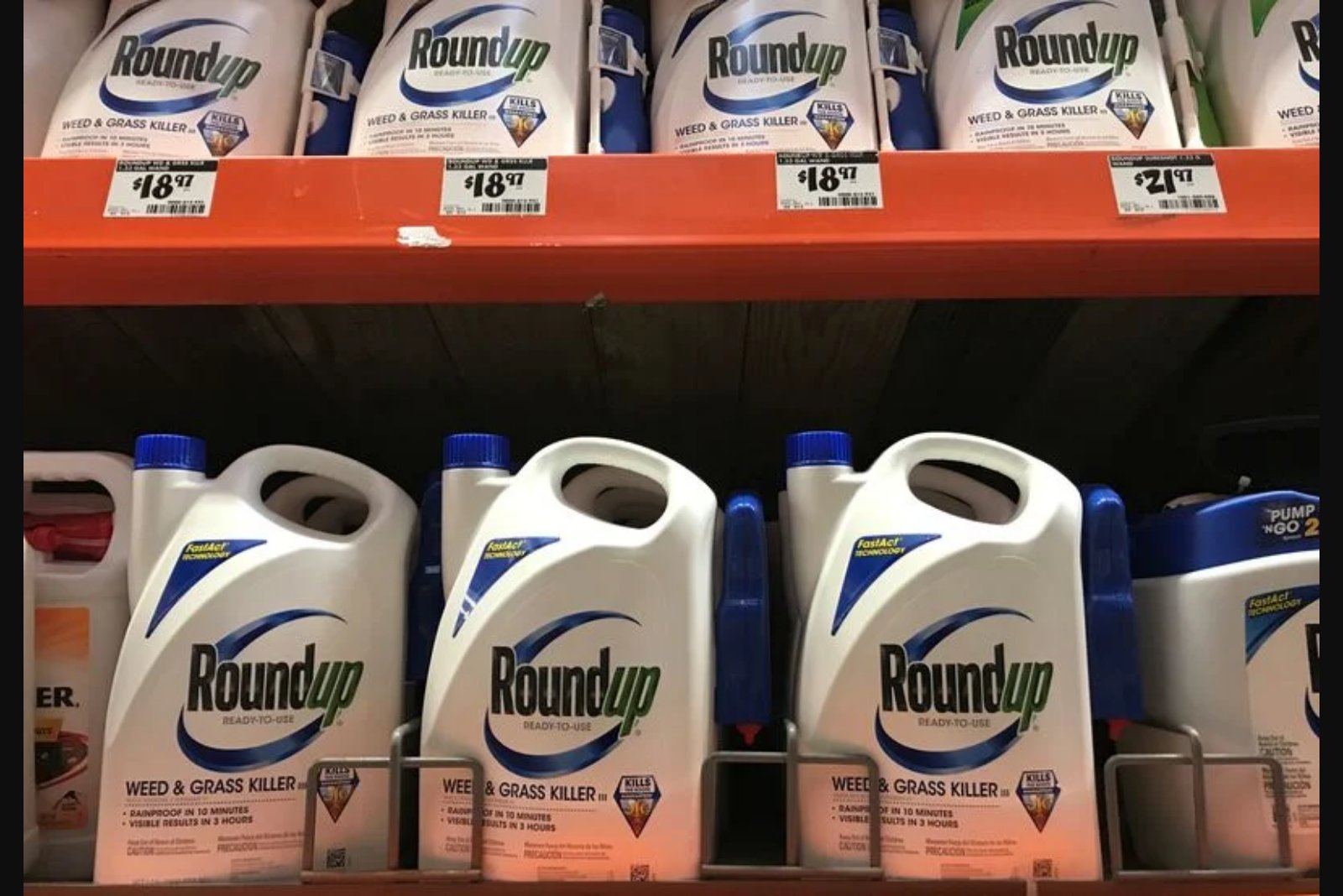
The U.S. Supreme Court on Thursday delivered a decision that limits one category of legal claims against Bayer arising from allegations that its herbicide Roundup causes cancer. Writing for a 7-2 majority, the justices overturned a Missouri jury award of $1.25 million to John Durnell, who had said he developed non-Hodgkin lymphoma after years of exposure to the glyphosate-based weedkiller.
What the Court decided
The court held that plaintiffs may not rely on state law to claim that Bayer violated state labeling requirements by failing to warn of a cancer risk when the U.S. Environmental Protection Agency has determined there is no such risk and does not mandate a cancer warning on Roundup’s label. That preemption principle eliminated the failure-to-warn theory in Durnell’s case and, by extension, removes that legal pathway from similar lawsuits.
Scope of existing litigation
Bayer currently faces claims from roughly 65,000 plaintiffs across U.S. state and federal courts. The complaints, which began being filed in 2015, assert that exposure to Roundup contributed to non-Hodgkin lymphoma and other cancers. Plaintiffs include people who say they used the product in residential settings as well as those who were exposed through occupational use. Bayer maintains that decades of studies demonstrate Roundup and its active ingredient, glyphosate, are safe for humans.
What the ruling does and does not do
The Supreme Court’s decision removes one type of claim from the litigation mix: state-law failure-to-warn causes of action that conflict with the EPA’s findings. Failure-to-warn claims were a common element in many suits and are generally viewed as easier for plaintiffs to establish. With that theory preempted, plaintiffs must proceed on other legal grounds included in many complaints.
Those remaining theories include allegations that Bayer acted negligently, misrepresented the safety of Roundup in its marketing, or sold a product that was defective for its intended purpose. The court’s ruling does not directly resolve those claims. Plaintiffs can continue to pursue negligence, misrepresentation and defect allegations in the courts.
Bayer may seek to leverage the Supreme Court’s decision when defending the remaining claims, arguing the ruling should undercut or dispose of those other theories. The decision itself, however, did not adjudicate those separate legal arguments.
The proposed settlement
In February, after the Supreme Court agreed to hear the Durnell appeal, Bayer announced it had reached a $7.25 billion settlement with counsel representing a nationwide class of individuals who say they developed cancer because of Roundup exposure. The settlement is structured to resolve the bulk of outstanding lawsuits as well as claims that might arise in the future from people already exposed who later develop cancer.
A Missouri state court judge gave preliminary approval to the settlement in March. That initial green light allows the plan to proceed toward final approval, but the deal has drawn objections from several individuals. The judge will consider final approval at a later hearing.
Plaintiffs were required to decide by a June 4 deadline whether to opt out of the class settlement and pursue their individual cases in court. That opt-out deadline occurred before the Supreme Court issued its final ruling, meaning many plaintiffs were forced to choose without the benefit of the court’s ultimate decision in Durnell. Lawyers involved in negotiating the settlement have said the Supreme Court’s decision supports their strategy to secure funds for claimants rather than wait for case-by-case outcomes.
Immediate implications
The ruling narrows one legal route many plaintiffs had used while leaving intact several other types of claims. It also does not alter the terms of Bayer’s $7.25 billion settlement, which Bayer has said it still intends to pursue. The settlement, preliminary approval and outstanding objections mean litigation over final resolution and compensation for alleged victims will continue to be litigated in court.
Key points
- The Supreme Court ruled 7-2 that EPA findings preempt state-law failure-to-warn claims related to Roundup labels, overturning a $1.25 million jury award.
- Approximately 65,000 plaintiffs have pending Roundup claims in U.S. courts; the ruling eliminates one common legal theory but does not end the broader litigation.
- Bayer arranged a $7.25 billion settlement intended to resolve most current and potential future claims; the deal has preliminary judicial approval but faces objections and awaits final court sign-off.
Risks and uncertainties
- Final approval of the $7.25 billion settlement is not guaranteed - a state court judge will rule on objections at a future hearing.
- Some plaintiffs opted out of the settlement before the Supreme Court issued its decision, creating the possibility of continued individual trials based on claims other than failure-to-warn.
- Claims alleging negligence, misrepresentation and product defect remain viable and may continue to generate litigation and legal expense for the company.