
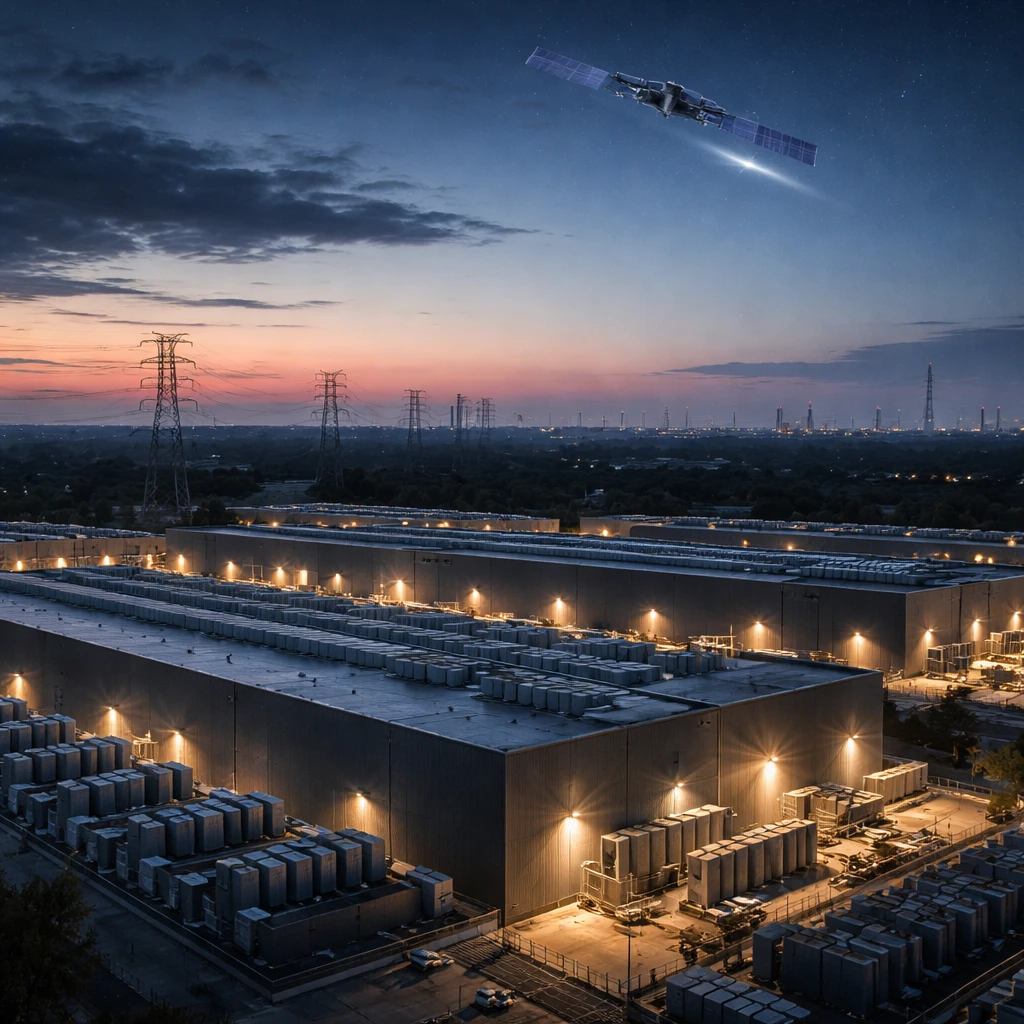
Stifel says the recent Democratic victories in U.S. midterm elections are likely to translate into greater regulatory friction and higher costs for the development of new artificial intelligence data centres, even as the firm judges that those political shifts are unlikely to upend SpaceX's broader infrastructure plans.
In a research note dated November 8, the broker detailed how changes in state political control could prompt more restrictive approval processes for new data centre deployments. The note singled out states such as Texas and Georgia as locations where the permitting environment may become tougher following the election results.
Stifel emphasized that these effects would be concentrated on projects planned for later timelines rather than on facilities already under construction. According to the firm, proposed restrictions would generally allow projects that are currently moving forward to continue.
Financial position and strategic options
Despite the anticipated permitting headwinds, Stifel reiterated a Buy rating and assigned a $190 price target for SpaceX. The broker cites the company’s investment-grade balance sheet and the availability of $40 billion in committed GPU financing as strategic advantages that could enable SpaceX to acquire stalled developments that already have access to power - a resource Stifel says is becoming increasingly scarce for AI infrastructure.
Stifel quantifies the potential exposure tied to the election outcome, estimating that up to 13 gigawatts of planned data centre capacity in Texas could be at risk. The firm also noted that permitting changes in additional states could introduce further delays for new projects.
However, Stifel argues that SpaceX's financial strength, manufacturing capabilities and ability to secure alternative power supplies could allow it to navigate individual project setbacks. On capacity assumptions, the broker forecasts SpaceX will add 9.2 GW of computing capacity in 2027, bringing total capacity to 12 GW by the end of that year, which remains below management’s 13 GW ambition.
Orbital computing and regulatory outlook
The research note also highlights a longer-term strategic opportunity: orbital computing. Stifel contends that tighter restrictions on terrestrial data centre construction could bolster the argument for shifting portions of AI computing infrastructure into space. SpaceX plans its first AI-compute satellite launch in the fourth quarter of 2027.
On the regulatory front, the broker expects a rise in congressional hearings and political scrutiny but does not forecast a fundamental shift in the regulatory framework over the next two years. Stifel points out that key approvals for launch licensing and merger reviews remain with the executive branch, limiting near-term changes to those processes.
Qualcomm partnership and mobile network rollout
Separately, Stifel highlighted Qualcomm's selection as the radio supplier for SpaceX's planned mobile network. The broker noted that rollout across tens of thousands of sites is expected to begin in 2027. According to Stifel, the Qualcomm agreement enhances the credibility of a standalone mobile network and strengthens SpaceX's negotiating posture with incumbent wireless carriers.
Overall, Stifel presents a view in which political shifts raise the bar for new terrestrial AI infrastructure projects, but do not remove strategic pathways for a well-capitalized and vertically integrated player like SpaceX to pursue growth on both the ground and in orbit.