
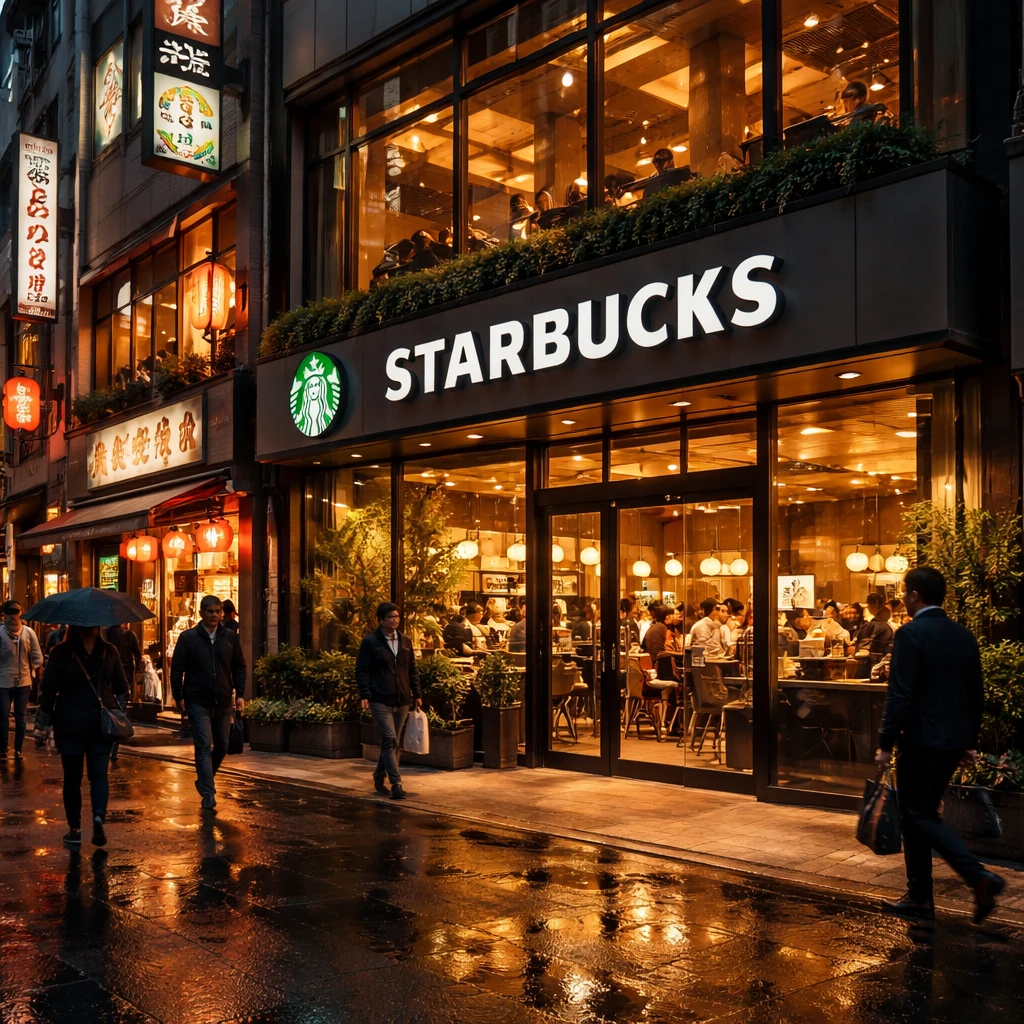
Starbucks Corporation has taken the initial steps to evaluate a potential divestiture of its Japan operations, hiring financial advisers including Citigroup and Morgan Stanley to help gauge market interest, according to people familiar with the matter. The transaction, if pursued, could be worth several billion dollars.
The U.S. coffee retailer is reaching out to both strategic and financial investors as it quietly assesses appetite for its roughly 2,000-store footprint in Japan. A formal sales process could begin as soon as this year, though conversations are ongoing and there is no certainty they will culminate in a sale.
Operational scale and history
Starbucks operates about 2,000 coffeehouses in Japan and has maintained a presence in the country for more than 30 years. The size of that network makes Japan one of the company’s largest overseas markets and the potential transaction would represent a major repositioning of its international portfolio.
Context within broader strategy
The potential move follows steps Starbucks has already taken to restructure parts of its overseas business. The company previously agreed to sell control of its China operations to local investors, signaling a willingness to reshape how it runs major international markets.
Process and uncertainties
At this stage Starbucks is in an exploratory phase - engaging advisers and assessing interest - and has not announced a formal timetable beyond the possibility of initiating a sale process later in the year. Company and deal discussions are continuing and may not lead to any transaction.
The engagement of Citigroup and Morgan Stanley suggests Starbucks is preparing to test the market with both strategic buyers that could integrate Japan operations and financial investors that might view the business as an investment platform. Details on valuation expectations beyond the description of a potential value in the "several billion" range were not provided.
What this means
- The move would be a significant component of Starbucks’ international restructuring efforts.
- It will draw interest from retail operators, private equity firms, and other capital providers focused on consumer-facing assets in Asia.
- Timing and outcomes are uncertain while discussions remain ongoing.