
Stock Markets June 8, 2026 06:29 PM

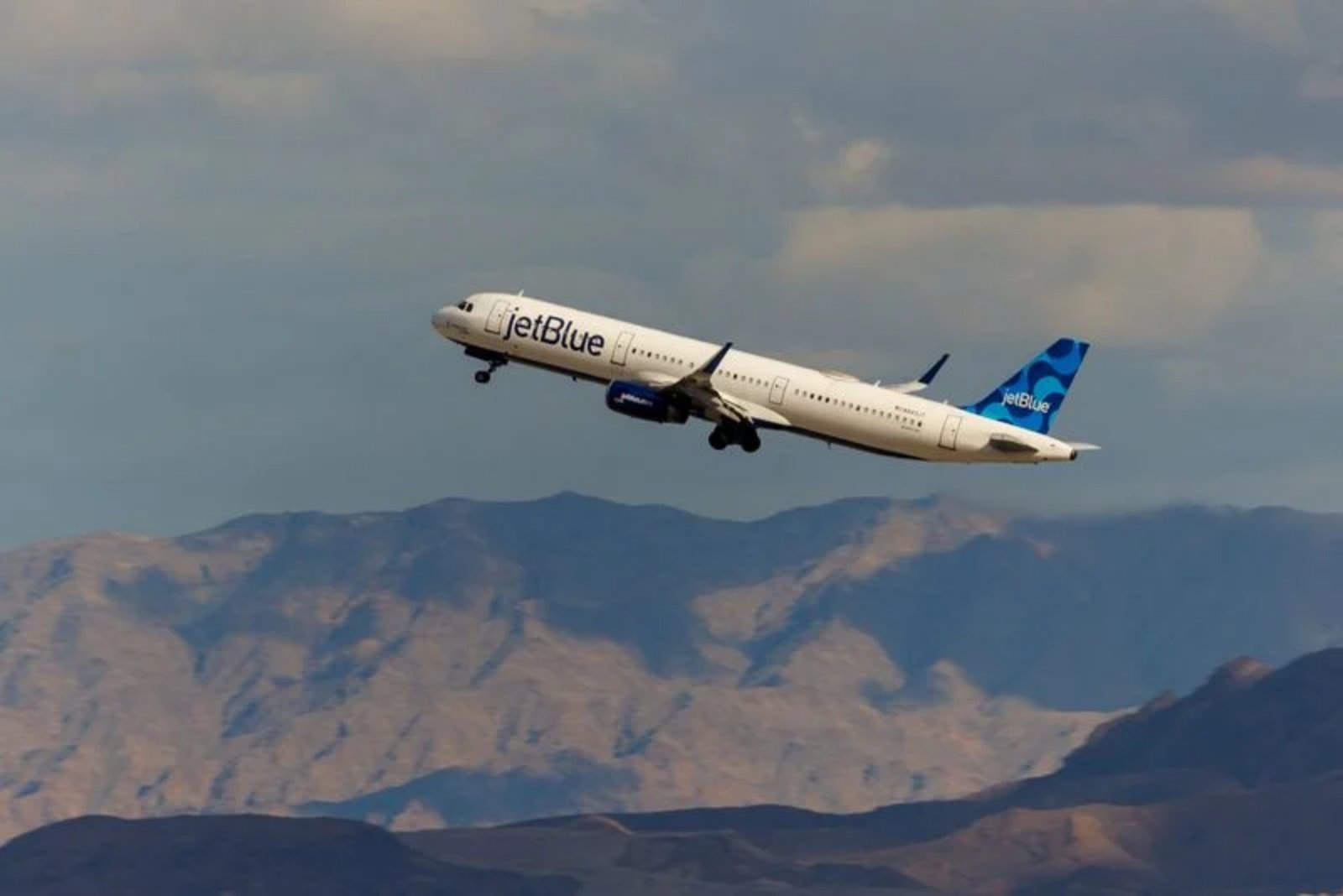
S&P Lowers JetBlue Further Into Junk as High Jet Fuel Costs Weigh on Recovery

Ratings cut deepens credit strain for the low-cost carrier amid constrained ability to pass through rising fuel input costs

By Hana Yamamoto
Share
Twitter Reddit Facebook LinkedIn
JBLU

S&P Global Ratings cut JetBlue Airways' long-term rating from B- to CCC+, moving the carrier deeper into non-investment grade territory. The agency cited materially higher oil and jet fuel prices tied to the Middle East conflict as a key factor that will pressure operating performance over the coming year, delaying positive free cash flow until 2028 and driving leverage toward about 10x by the end of 2027. S&P maintained a stable outlook while noting JetBlue has sufficient liquidity to cover projected cash shortfalls through 2027.

S&P Lowers JetBlue Further Into Junk as High Jet Fuel Costs Weigh on Recovery
JBLU
Summarize with
ChatGPT Perplexity Claude Grok Gemini

Key Points

  • S&P downgraded JetBlue from B- to CCC+, moving the airline deeper into junk status.
  • S&P expects higher oil and jet fuel prices tied to the Middle East conflict to significantly pressure JetBlue’s operating performance over the next 12 months; free cash flow is not expected to turn positive until 2028 and leverage is projected to be about 10x by end-2027.
  • The downgrade may raise JetBlue’s borrowing costs and limit access to capital markets; budget and low-cost carriers are particularly exposed due to limited ability to pass on higher fuel costs without risking demand. Impacted sectors include airlines, credit markets, and energy-linked cost structures.

S&P Global Ratings said on Monday it downgraded JetBlue Airways to CCC+ from B-, a move that pushes the New York-based low-cost carrier further into junk rating territory. The decision reflects S&P’s view that elevated jet fuel and oil prices will materially impede JetBlue’s recovery efforts.

The airline has been pursuing a turnaround that includes cost reductions, network adjustments and steps to bolster operational reliability. However, S&P said rising fuel costs linked to the Middle East conflict have complicated those efforts, particularly for budget and low-cost carriers that face limited scope to pass higher input costs through to price-sensitive travelers without jeopardizing demand.

"Given the ongoing Middle East conflict and material rise in oil and jet fuel prices, we expect JetBlue’s operating performance to be significantly pressured over at least the next 12 months," S&P said. "A strong demand environment continues to support higher air fares, but we no longer expect positive free cash flow generation until 2028 and project leverage to be about 10x by the end of 2027."

S&P warned that a deeper junk rating may increase JetBlue’s borrowing costs and constrain access to capital markets at a time when the carrier may require additional liquidity to fund operations. In April, Fitch Ratings also downgraded JetBlue to CCC+ from B-, citing ongoing operating losses and negative free cash flow.

Despite the downgrade, S&P kept its outlook on JetBlue stable. The agency said it expects the airline to maintain sufficient liquidity to cover forecasted free cash flow shortfalls through 2027, and it does not anticipate significant near-term maturities or a default or restructuring in the next 12 months.

Earlier this year JetBlue secured a debt financing commitment of $500 million that is backed by up to 22 aircraft, with an option to raise an additional $250 million. The financing arrangement provides an identified source of liquidity as the airline navigates the pressured operating environment.


Context and implications

The rating action emphasizes the tension between a stronger demand environment that supports higher fares and the squeeze from elevated jet fuel and oil prices. For low-cost carriers like JetBlue, the limited ability to transfer higher fuel input costs to consumers without dampening demand is a central constraint. The downgrade underscores potential consequences for credit costs, capital market access and the timeline for restoring positive free cash flow.

Risks

  • Sustained high oil and jet fuel prices - poses input cost pressure on airlines and could further delay cash flow recovery; primarily affects the airline and travel sectors and energy-linked cost structures.
  • Limited ability to pass through higher fares in a price-sensitive travel market - increases pressure on margins for low-cost carriers and could weaken revenue resilience.
  • Higher borrowing costs and constrained access to capital markets - may limit liquidity options for JetBlue and other similarly rated carriers, impacting credit markets and corporate funding availability.

More from Stock Markets

WhiteHawk Minerals Prices Upsized IPO at $26 a Share Ahead of NYSE Listing Jun 8, 2026 OpenAI Confidentially Submits U.S. IPO Filing, Joins Anthropic in Public-Market Push Jun 8, 2026 MSCI Will Use Existing Fast-Entry Rules, Paving Way for SpaceX Index Inclusion Jun 8, 2026 Snow Rothschild Prices 20 Million-Unit IPO, Raises $200 Million Jun 8, 2026 OpenAI Enters Confidential IPO Process as Anthropic and SpaceX Move Toward Public Markets Jun 8, 2026